Pressure Washing Patios in Greenville, VA

Clean Patios That Actually Stay Clean

Your concrete patio should be a place you’re proud to entertain, not something you avoid showing guests because of stains and grime.
Hear from Our Customers
Professional Patio Cleaning Greenville

What Clean Concrete Actually Looks Like

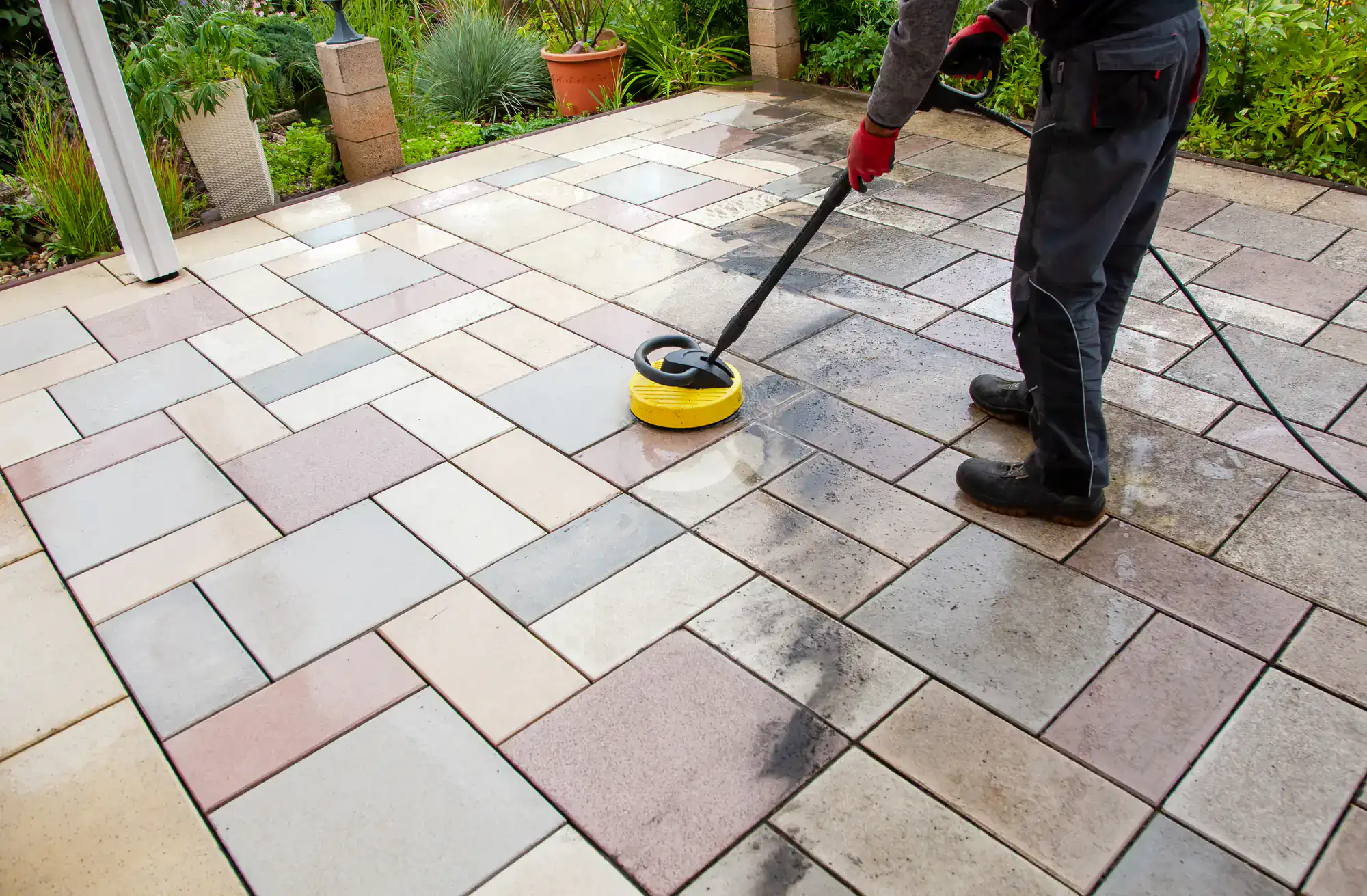
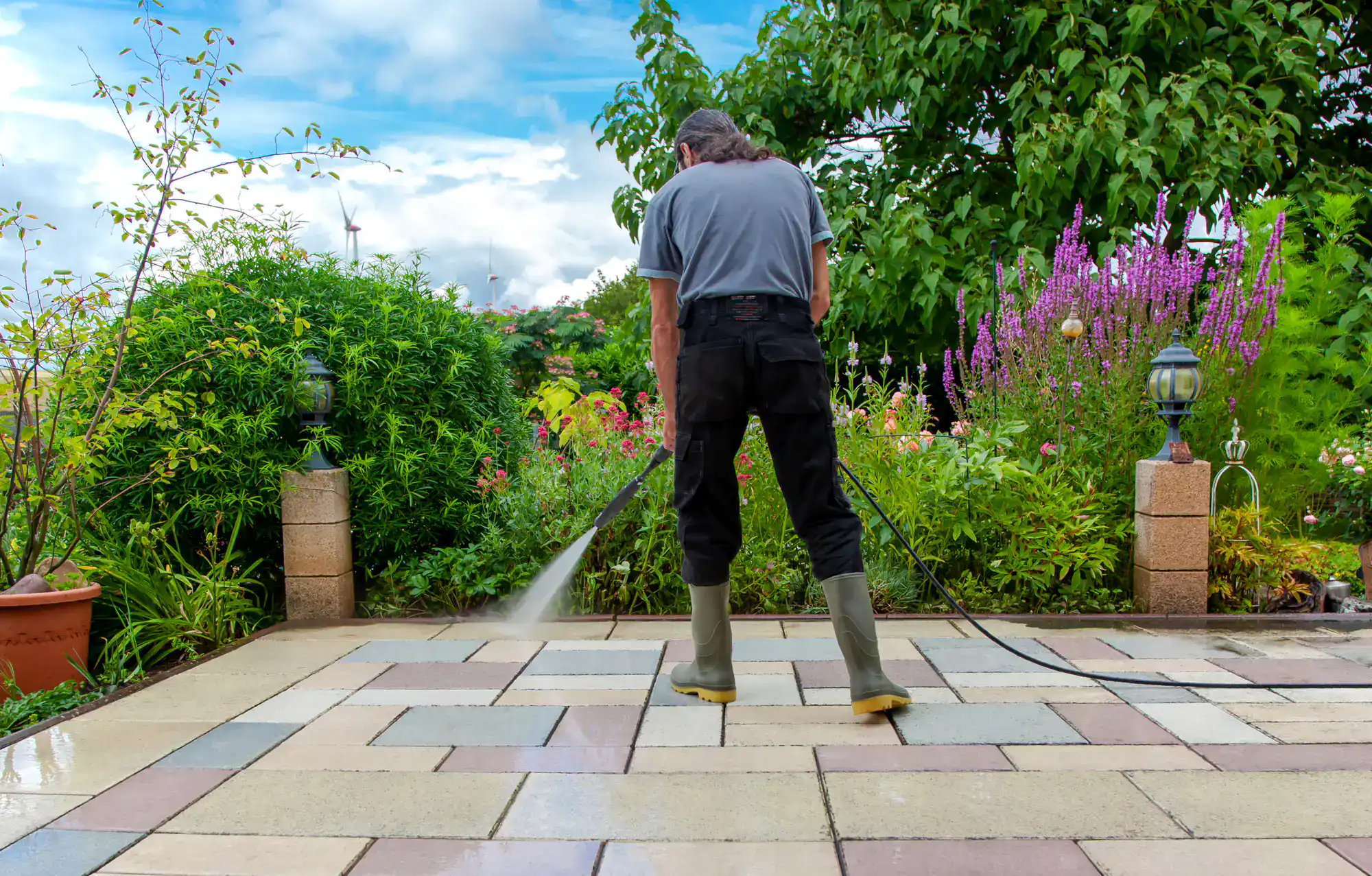
When your patio is properly cleaned, the difference is immediate and dramatic. Years of built-up dirt, oil stains, and organic growth disappear, revealing the original color and texture of your concrete.

Your outdoor space becomes usable again. No more embarrassing stains when friends come over for barbecues. No more slippery surfaces that make you worry about safety.

The cleaning process removes the deep-seated contaminants that regular hosing can’t touch. Mold, mildew, and algae that create slip hazards are eliminated. Your patio becomes the outdoor living space it was meant to be.

Greenville Pressure Washing Experts

Three Decades of Getting It Right

Blue Ridge Exterior Cleaning brings over 15 Years of experience to every patio cleaning project in Greenville, VA. We’re not just another pressure washing company—we’re certified by industry leaders like Spray Wash Pro, Spray Wash Academy, and the National Soft Wash Alliance.

What sets us apart is our commitment to doing business the old-fashioned way. You’ll always get a real person on the phone, not a call center. Our crew communicates clearly about what we’re doing and why. We even deliver invoices and materials in person.

This locally owned business has built its reputation on never compromising quality for price. In a region where property values matter and outdoor living is part of the lifestyle, we understand that your patio cleaning needs to be done right the first time.
Patio Pressure Washing Process

How We Clean Without Damaging

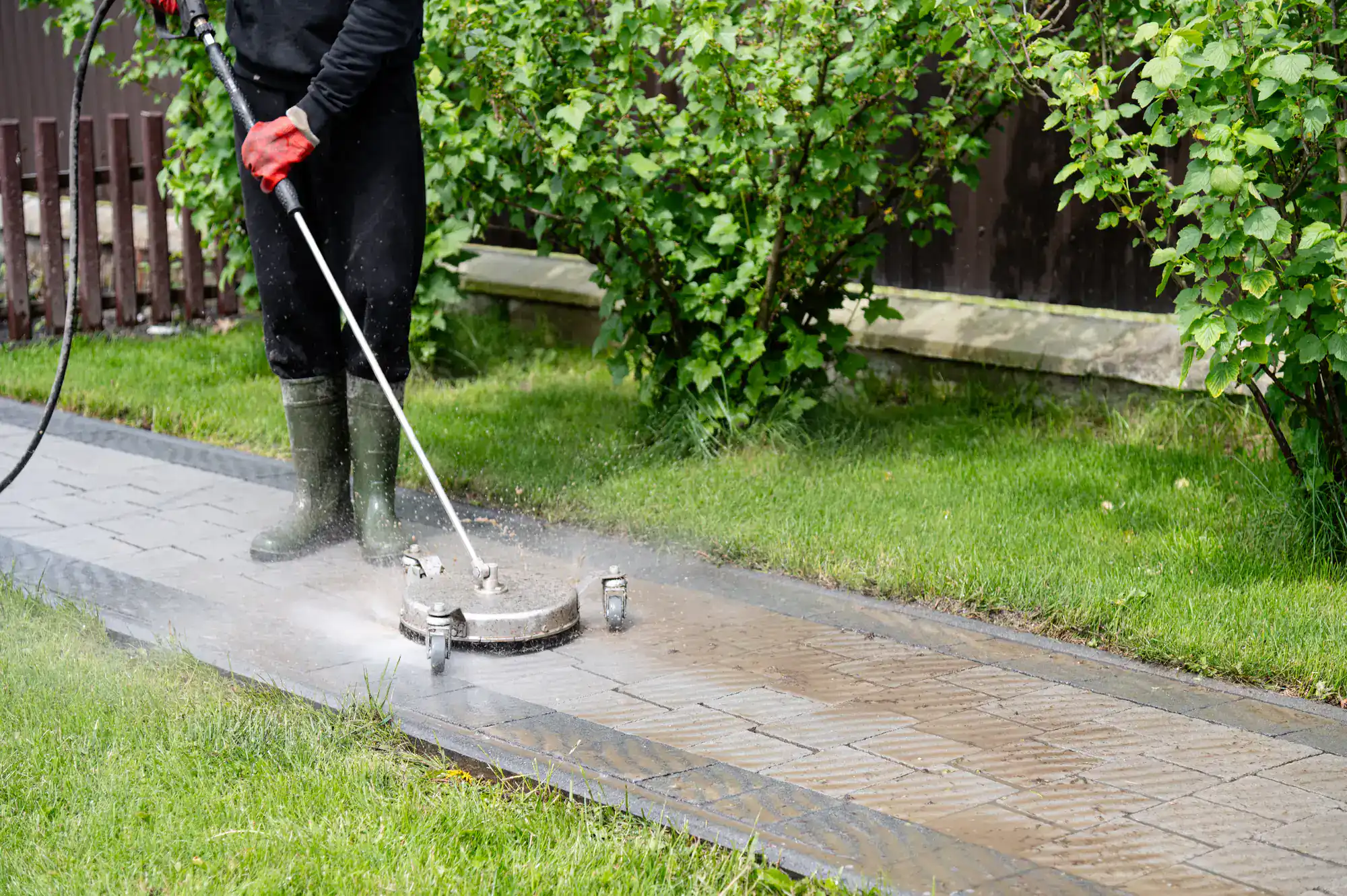
The process starts with a thorough assessment of your patio’s condition and material type. Different concrete surfaces require different approaches, and we adjust our method accordingly.

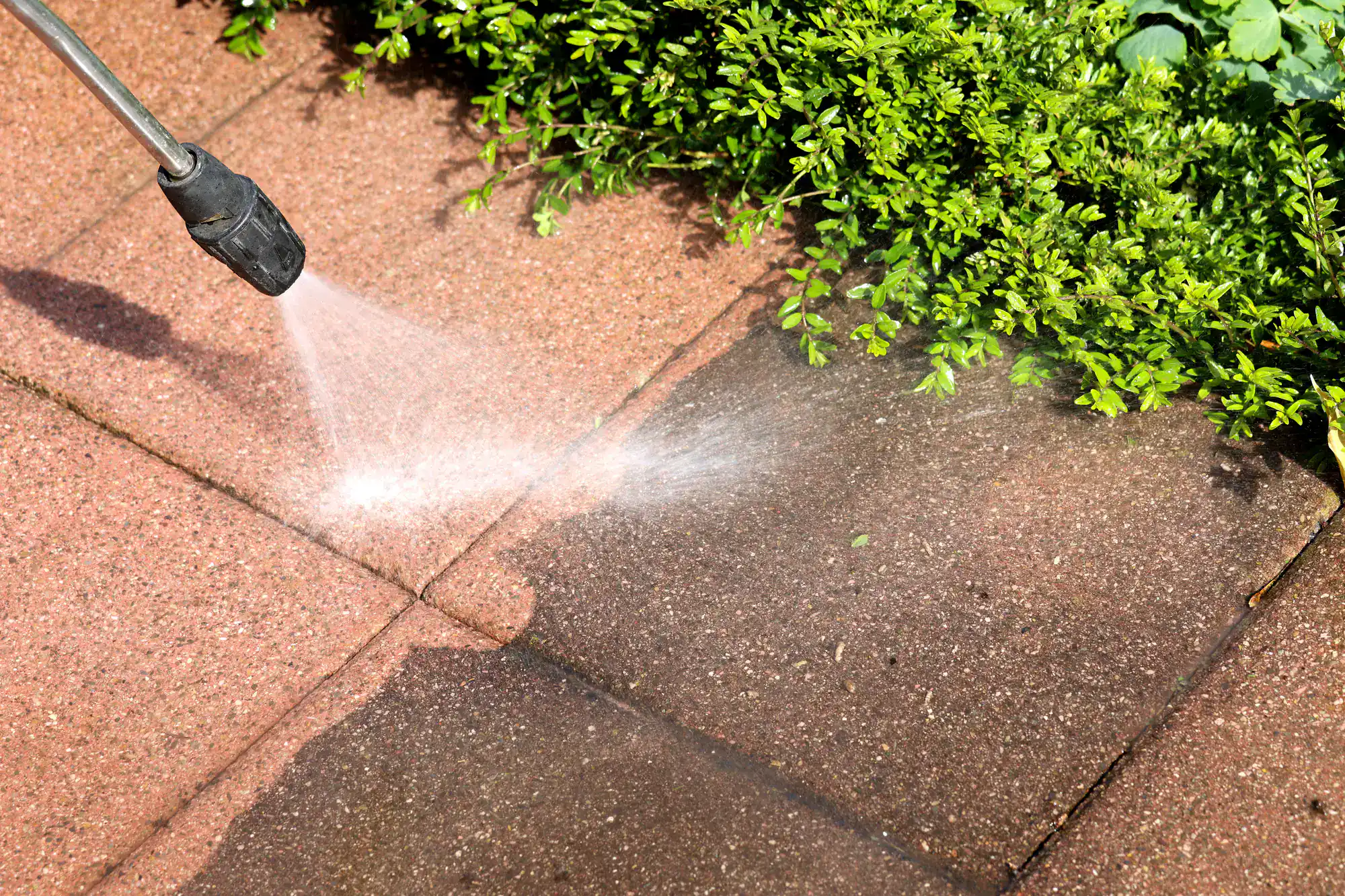
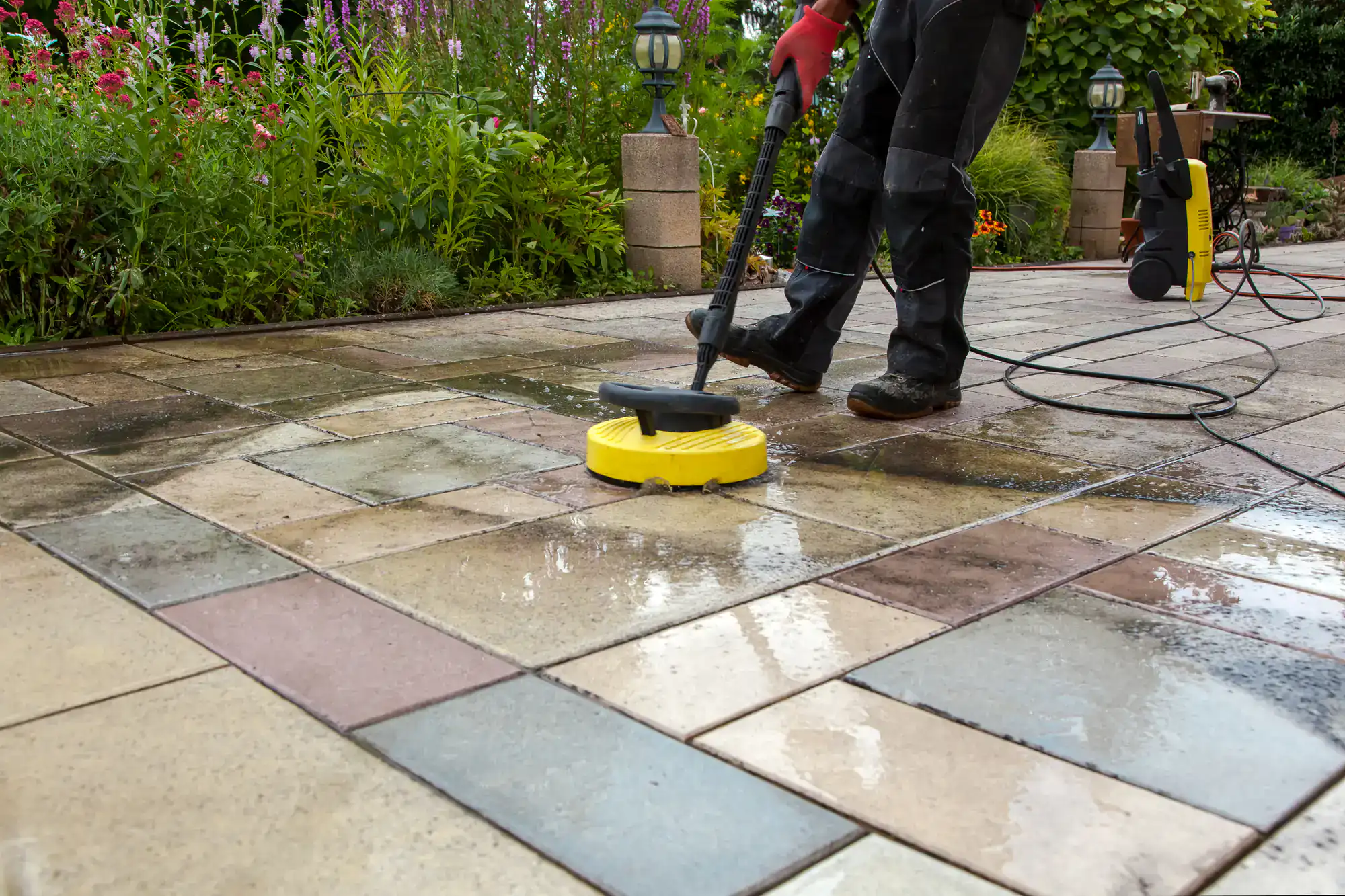
Pre-treatment comes next. Specialized cleaning solutions are applied to break down oil stains, organic growth, and embedded dirt. This isn’t just soap and water—these are professional-grade products designed for specific contaminants.

The pressure washing itself uses controlled pressure levels. Too much pressure can damage concrete or create an uneven appearance. Too little won’t remove the deep stains. Our experience tells us exactly what each surface needs.

Final inspection ensures every area has been properly cleaned. We don’t consider the job done until you’re satisfied with the results.
Ready to get started?

Explore More Services

About Blue Ridge Exterior Cleaning

Get a Free Consultation

Concrete Walkway Cleaning Services

What's Included in Your Service

Your patio cleaning service covers the entire concrete surface, including edges, corners, and areas around fixtures. We clean the transition zones where your patio meets other surfaces, ensuring a consistent appearance.

In Greenville’s humid climate, organic growth is a persistent problem. Mold, mildew, and algae thrive in the moisture, creating both aesthetic and safety issues. Our cleaning process specifically targets these organisms, removing them completely and treating the surface to slow regrowth.

Stain removal goes beyond surface cleaning. Oil stains from grills, rust stains from furniture, and organic stains from leaves and debris require different treatment methods. We have the experience and equipment to handle whatever your patio has accumulated over the years.

The service also includes proper disposal of all cleaning runoff, protecting your landscaping and complying with local environmental regulations.
How often should I have my concrete patio pressure washed in Greenville?

Most concrete patios in Greenville benefit from professional cleaning every 12-18 months. Virginia’s humid climate and frequent rain create ideal conditions for mold, mildew, and algae growth, which means surfaces get dirty faster than in drier climates. The frequency also depends on your patio’s exposure and use. Patios under trees or in shaded areas may need cleaning more often due to organic debris and reduced sunlight. High-traffic areas show dirt and wear patterns sooner. Regular cleaning actually extends the life of your concrete by preventing the buildup of contaminants that can cause permanent staining or surface deterioration. It’s much more cost-effective than letting problems accumulate and requiring restoration work later.
Improper pressure washing can definitely damage concrete, which is why professional service matters. Using too much pressure can create surface pitting, especially on older or softer concrete. Using the wrong nozzle angle can leave permanent streaks or gouges. The key is matching the pressure level to your specific concrete type and condition. New, high-quality concrete can handle higher pressures, while older or decorative concrete requires a gentler approach. Professional equipment allows for precise pressure control that homeowner units typically don’t offer. Pre-existing damage like cracks or loose areas needs special attention. A professional assessment identifies these vulnerable spots and adjusts the cleaning method to avoid making problems worse. This is why experience matters—knowing what your concrete can handle prevents costly damage.
Most common patio stains can be removed with proper techniques and cleaning solutions. Oil and grease stains from grills respond well to degreasing agents combined with appropriate pressure levels. Rust stains from furniture or metal fixtures require specialized rust removal products. Organic stains from leaves, berries, or food spills usually come out completely with the right pre-treatment. Mold, mildew, and algae stains not only clean off but can be treated to prevent quick return. Even tire marks from vehicles or equipment can typically be removed. Some stains may require multiple treatments, especially if they’ve been there for years. Deep-set stains might need special attention with stronger cleaning agents or longer dwell times. The goal is always complete removal without damaging the concrete surface.
Decorative and stamped concrete requires special care, but can be safely cleaned with the right approach. These surfaces often have sealers or special finishes that can be damaged by excessive pressure or harsh chemicals. The cleaning method must preserve these protective coatings. Lower pressure settings and specialized cleaning solutions are typically used for decorative concrete. The focus shifts from high-pressure cleaning to chemical action and proper dwell time. This approach removes dirt and stains while protecting the surface texture and appearance. Professional cleaning can actually help maintain the original appearance of decorative concrete by removing contaminants that can cause permanent discoloration. Regular maintenance cleaning prevents the buildup that would eventually require more aggressive restoration methods.
Drying time depends on several factors including concrete porosity, weather conditions, and the amount of water used during cleaning. In Greenville’s typical weather, most patios are completely dry within 4-8 hours after cleaning. Humid conditions or shaded areas may take longer to dry completely. Direct sunlight and good air circulation speed up the process significantly. Temperature also plays a role—warmer weather means faster evaporation. The concrete is safe to walk on much sooner than complete drying time, usually within an hour or two. However, it’s best to wait for complete drying before replacing furniture or applying any sealers or treatments to ensure the best results.
Pressure washing relies primarily on water pressure to remove dirt and stains, while soft washing uses lower pressure combined with specialized cleaning chemicals. For concrete patios, the choice depends on the surface condition and type of contamination. Most concrete patios can handle traditional pressure washing because concrete is a durable material. However, areas with delicate features, existing damage, or special finishes may benefit from soft washing techniques. The chemical action does more of the work, reducing the need for high pressure. The best approach often combines both methods. Pre-treatment with cleaning solutions loosens contaminants, then appropriate pressure levels remove them completely. This hybrid approach gets superior results while minimizing any risk of surface damage.