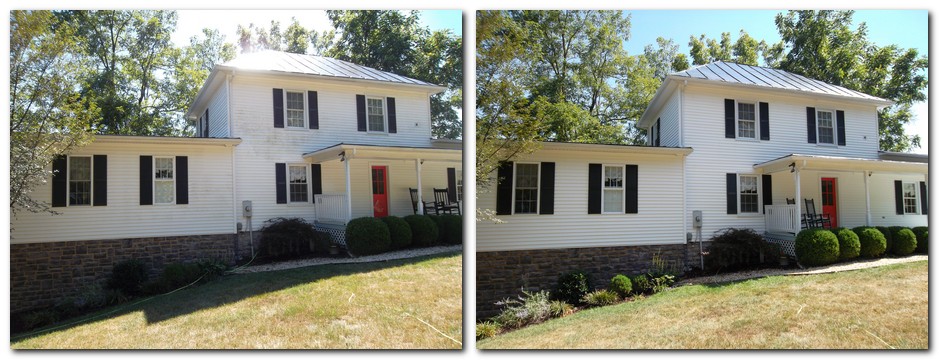
If you have ever looked at a black-streaked roof, green siding, or a slippery walkway and wondered whether that counts as “cleaning” or “maintenance,” the short answer is both. What is residential cleaning? In practical terms, it is the professional cleaning and care of the surfaces around your home to remove dirt, algae, mold, mildew, stains, and buildup before they create bigger problems.
For homeowners, that matters because exterior buildup is not just cosmetic. Organic growth can shorten the life of roofing, make concrete slick, stain siding, and leave decks and fences looking older than they are. A proper residential cleaning service is about appearance, but it is also about protecting the property you have invested in.
What is residential cleaning for a home?
Residential cleaning is a broad term, and that is where some confusion starts. Some people use it to mean interior housekeeping. Others use it to describe exterior cleaning services for homes. In the context of property maintenance, residential cleaning often refers to the professional cleaning of a home’s exterior surfaces and surrounding features.
That can include house washing, roof cleaning, patio and walkway cleaning, deck and fence cleaning, window washing, solar panel cleaning, and other surface-specific services. The exact scope depends on the condition of the property, the materials involved, and the cleaning method required.
A one-story vinyl home with light dirt buildup needs a different approach than an older painted surface, a cedar deck, or a historic property with more delicate materials. That is why experienced contractors do not treat every home the same way. The method matters just as much as the result.
What residential cleaning usually includes
Most homeowners first think about the areas they see every day – siding, roofs, porches, windows, and concrete. Those are common starting points because they collect visible buildup fast. In Virginia, moisture, tree coverage, pollen, and seasonal weather shifts can make that buildup happen even faster.
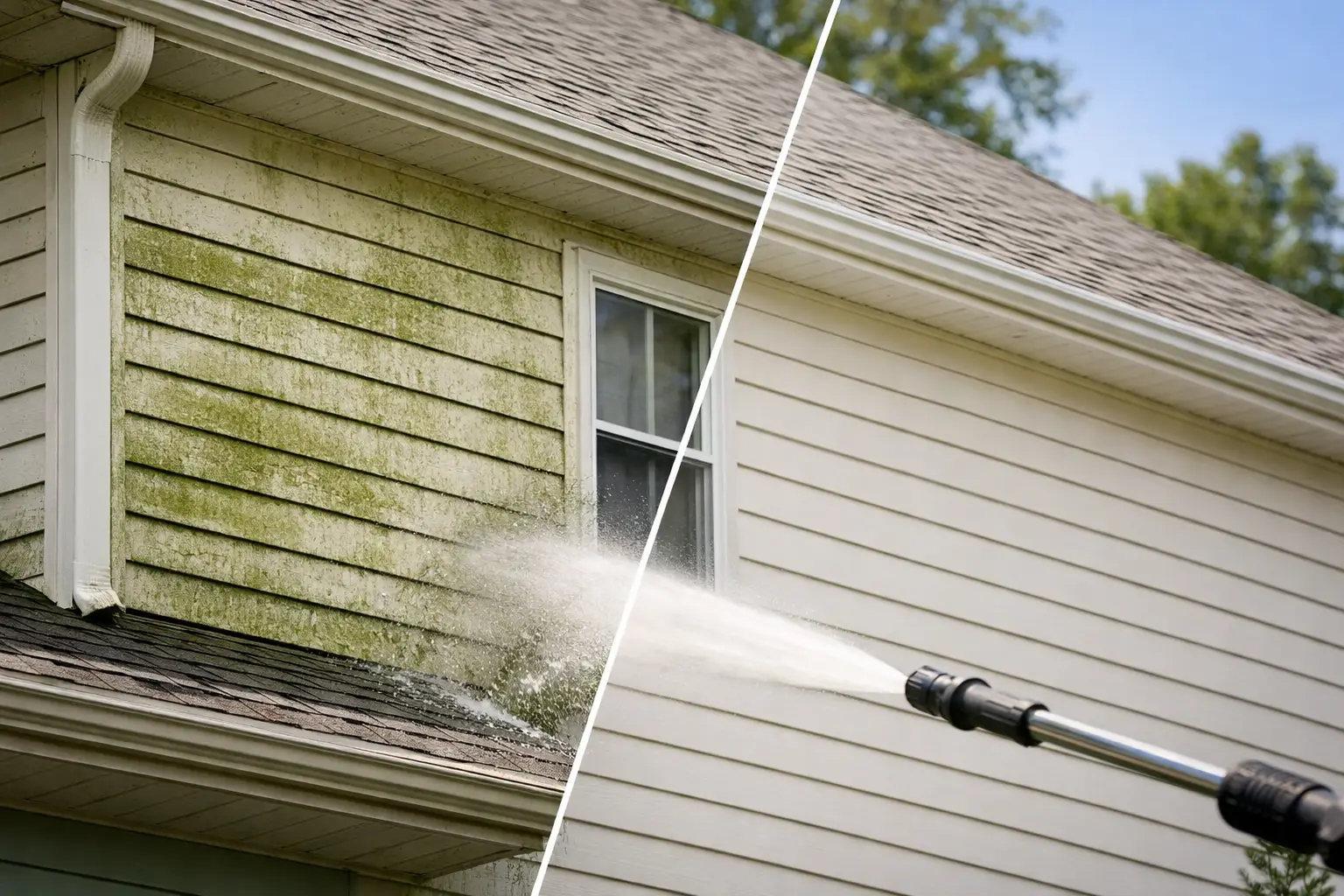
House washing is one of the most common services. This removes dirt, algae, spider webs, and environmental grime from siding, trim, soffits, and gutters. The goal is to clean the home thoroughly without forcing high pressure into places it does not belong.
Roof cleaning is another major category. If you see black streaks on shingles, that is usually not just dirt. It is often a form of algae growth that can continue spreading if left untreated. A proper roof cleaning process is designed to treat and remove that growth while protecting the roofing material.
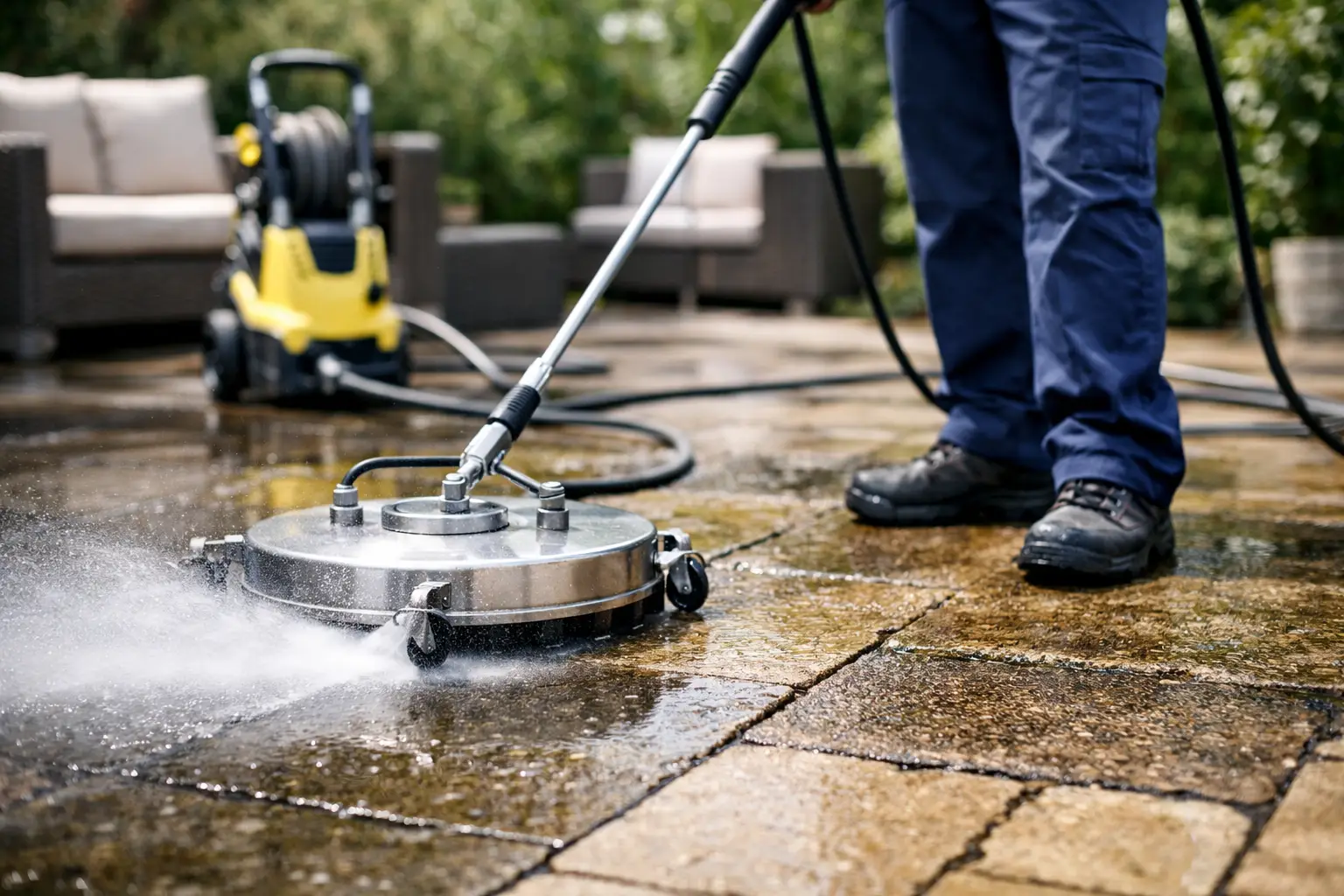
Then there are flatwork surfaces such as driveways, sidewalks, patios, and pool decks. These areas tend to hold grime, mold, and algae that can make them look neglected and become slippery when wet. Cleaning these surfaces improves appearance, but it also helps with safety.
Wood and composite surfaces also fall under residential cleaning. Decks and fences need a different process than concrete or vinyl. Some need a gentler wash. Others may need a deeper cleaning to prepare for staining or sealing. Using the wrong pressure on wood is one of the fastest ways to leave visible damage behind.
Windows, screens, and even solar panels can be part of the same conversation. These are not always included in every service package, but they are often part of a full exterior cleaning plan for homeowners who want the property to look and perform its best.
Why the method matters more than many homeowners realize
A lot of people assume residential cleaning just means blasting surfaces with a pressure washer. That is one of the biggest misconceptions in the industry.
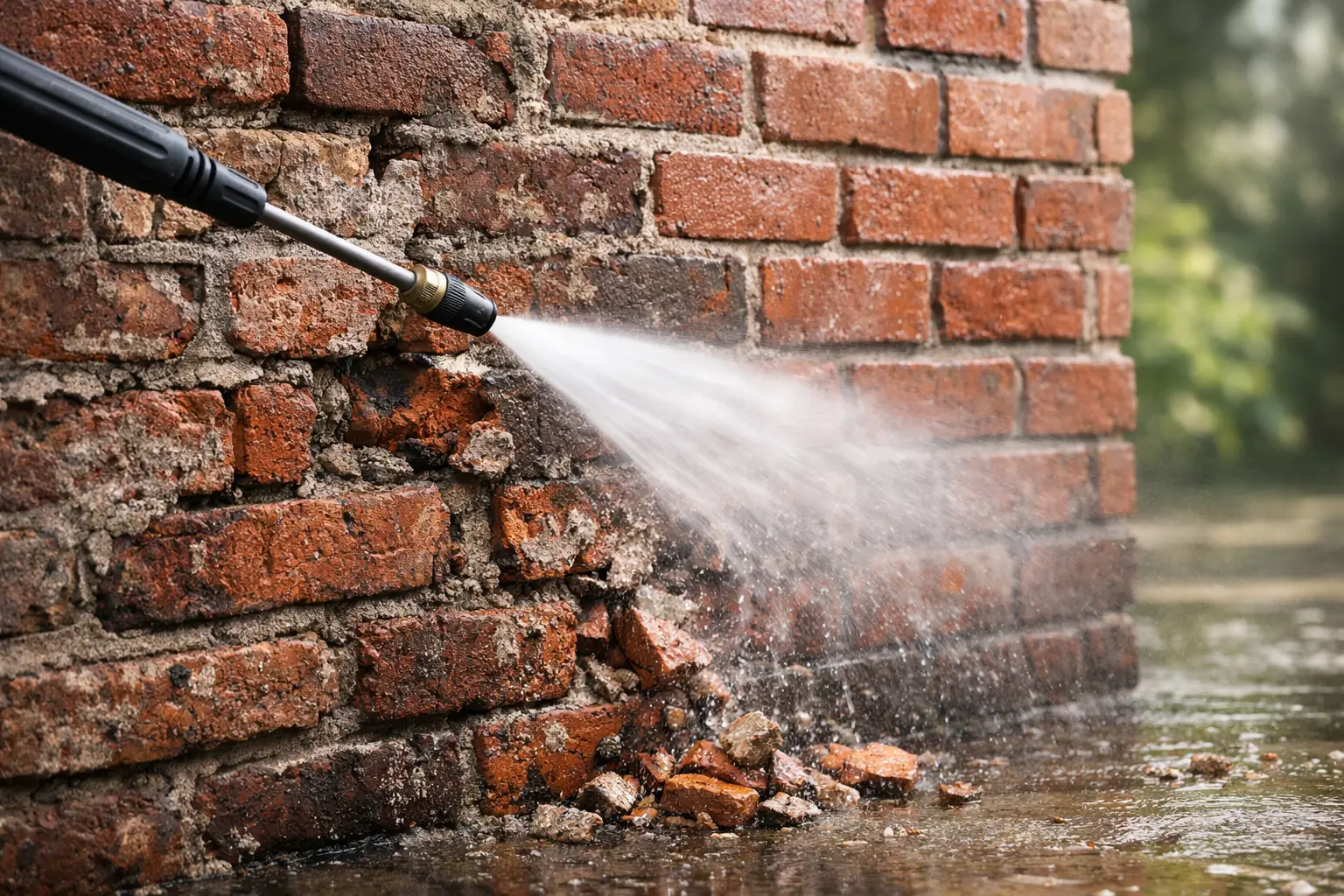
Pressure has its place, especially on durable surfaces like some concrete and certain hardscape areas. But many parts of a home should not be cleaned with high pressure. Roofing, painted surfaces, vinyl siding, window frames, stucco, and older materials can all be damaged by an aggressive approach.
That is why professional exterior cleaners often use soft washing for homes. Soft washing relies on specialized cleaning solutions and low-pressure application to break down organic growth and rinse surfaces safely. It is a more controlled method, and on the right surfaces, it is the correct one.
The trade-off is simple. High pressure may look faster, but faster is not always better. If a method leaves behind oxidation, water intrusion, lifted paint, or etched wood fibers, the cleaning was not worth it. Good residential cleaning is not about brute force. It is about using the right process for each surface.
What is residential cleaning not?
It is not a one-size-fits-all spray-down. It is not a race to offer the cheapest price. And it is not always a single visit that solves every exterior issue on a property.
Some stains, like red clay or heavy rust, need specialized treatment. Some surfaces may be permanently worn, faded, or oxidized, which means cleaning can improve them but not make them look brand new. A trustworthy contractor will be honest about that upfront.
Residential cleaning is also not the same as commercial cleaning, even though there is overlap in equipment and methods. Homes usually require more attention to landscaping, delicate materials, customer communication, and curb appeal details. Commercial work may involve larger scale, different scheduling demands, and more uniform surfaces. The goals can overlap, but the approach often changes.
When homeowners usually need residential cleaning
Most homeowners do not schedule cleaning because a calendar told them to. They schedule it when the property starts sending clear signals.
Maybe the siding has green streaks on the shaded side of the home. Maybe the roof is showing dark discoloration. Maybe the back patio gets slick after rain. Maybe guests are coming, the house is going on the market, or the property just looks tired even though nothing is technically broken.
Those are all valid reasons to schedule service. In many cases, waiting too long only makes the cleaning harder and the risk higher. Organic growth tends to spread. Stains set in deeper. Surfaces stay wet longer. Walkways get slicker. Roof streaking becomes more noticeable.
There is no perfect universal schedule because every property is different. Tree cover, moisture, sun exposure, landscaping, roofing type, and nearby dirt or pollen all affect how quickly buildup returns. Some homes need attention every year. Others can go longer between services. The right answer depends on your property, not a generic rule.
Why professional residential cleaning is worth it
Homeowners can rent equipment and try to handle some exterior cleaning on their own. Sometimes that works for a small, durable area. But there is a reason experienced companies stay busy.
First, there is the issue of safety. Roof work, ladders, slippery surfaces, and pressurized equipment create real risk. Second, there is the issue of technique. Without the right training, it is easy to scar wood, force water behind siding, damage screens, strip paint, or shorten the life of roofing.
Professional service should bring more than labor. It should bring judgment. That means knowing when to use soft washing, when to use hot water pressure washing, how to handle delicate surfaces, and how to treat stains that basic washing will not remove.
That is where experience makes a difference. A company like Blue Ridge Exterior Cleaning is not simply showing up with water and a machine. The value is in understanding surfaces, protecting property, and getting results without creating new problems.
How to tell if a company understands residential cleaning
The easiest way is to listen to how they talk about the work. If the conversation is only about square footage and price, that is a warning sign. A good contractor asks about the surface, the staining, the age of the materials, access issues, and your goals.
They should be able to explain why one method is better than another and where limitations exist. They should also communicate clearly about what is included, what results are realistic, and what steps they take to protect the home.
For homeowners, that level of communication matters just as much as the cleaning itself. You want the work done right, but you also want to know what is happening on your property and why.
Residential cleaning, at its best, is simple to understand even if the work itself is technical. It is the professional care of your home’s exterior surfaces to keep them cleaner, safer, and in better condition over time. When the process is done correctly, your home does not just look better for a week. It stays healthier, holds its value better, and gives you one less thing to worry about.