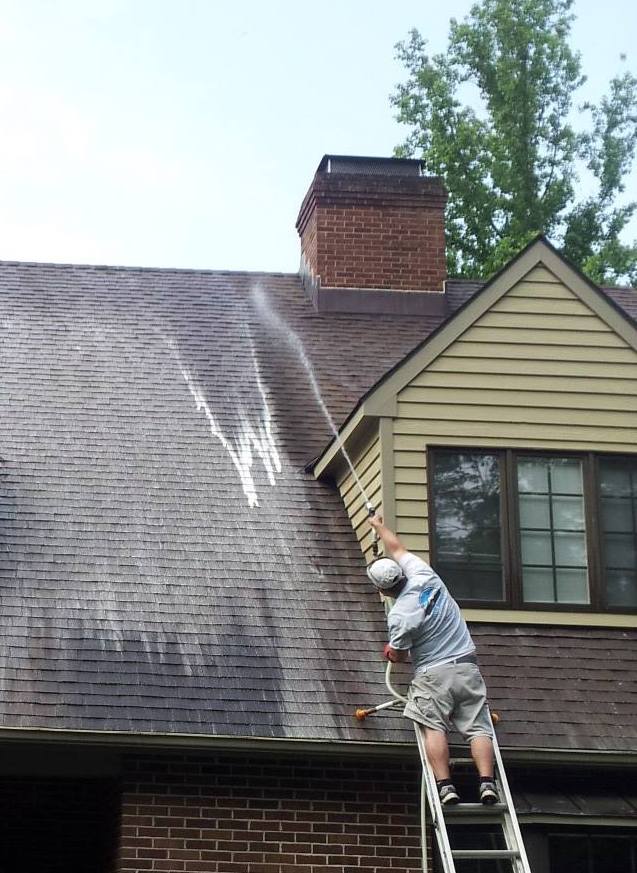
Those black streaks on a roof usually are not dirt, and they are not something to ignore until the next big home project. If you are wondering how to remove algae from roof surfaces without shortening the life of your shingles, the method matters as much as the cleaner. Done the wrong way, roof cleaning can strip granules, void warranties, and create leaks. Done the right way, it restores appearance and helps protect the roof you already paid for.
What roof algae actually is
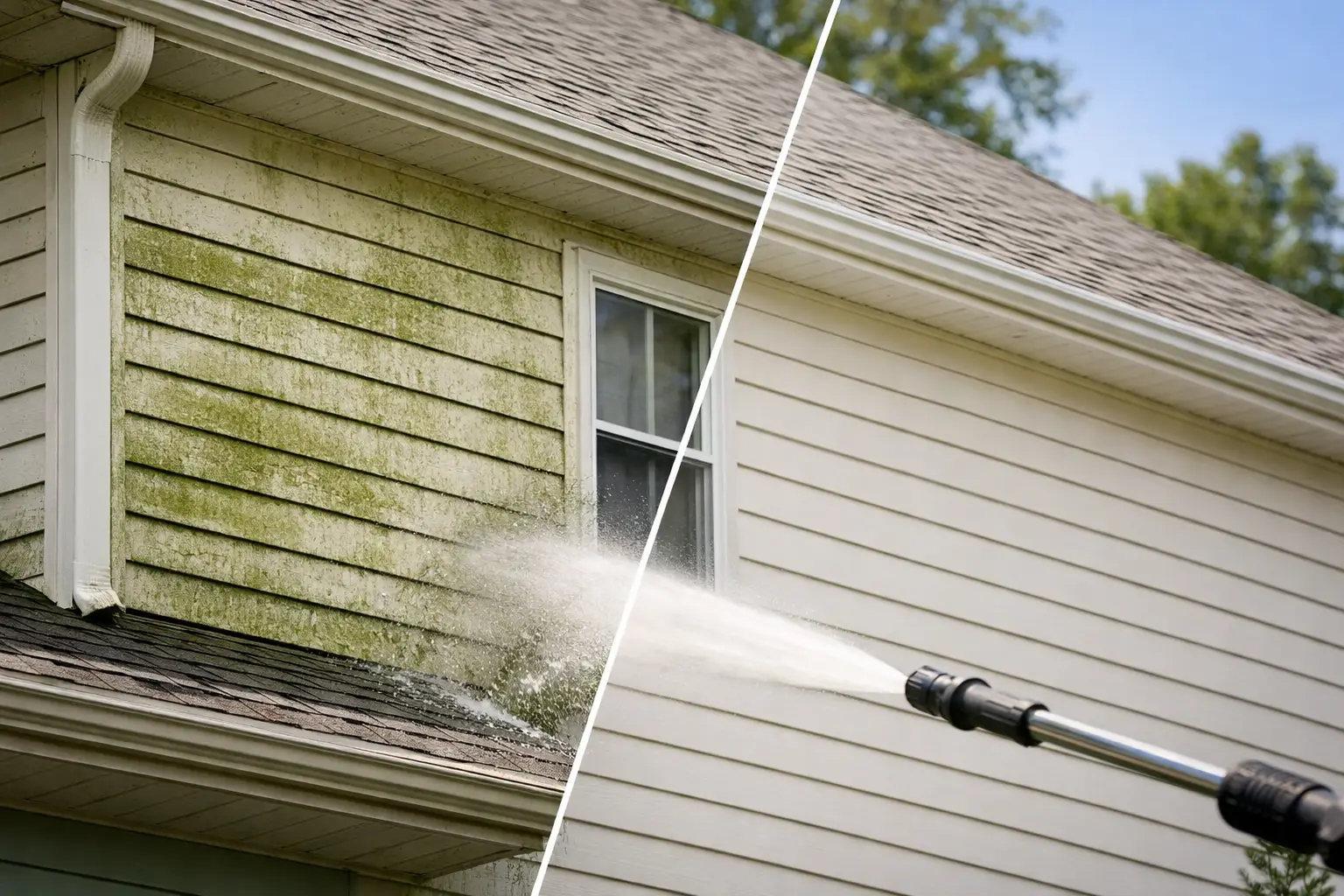
Most of the time, the dark staining homeowners notice is a type of algae that feeds on the limestone filler in asphalt shingles. It tends to show up more on shaded roof sections, areas with higher moisture retention, and homes surrounded by trees. In Central Virginia, humidity and seasonal shade give it plenty of opportunity to spread.
Algae is different from moss, even though the two often appear together. Algae usually looks like black or dark green streaking. Moss is thicker, greener, and more rooted in place. That distinction matters because light algae staining can often be treated with a soft wash process, while heavier organic growth may need extra care to remove safely.
How to remove algae from roof without causing damage
The safest professional approach is soft washing, not high-pressure cleaning. Soft washing uses low pressure and cleaning solutions designed to kill organic growth at the root. Pressure washing a roof may look faster, but it can dislodge shingle granules, force water under the roofing system, and reduce the roof’s service life.
For asphalt shingles, low-pressure application is the standard for a reason. The goal is not to blast the stain off. The goal is to treat the algae so it dies, releases, and washes away over time as the rain does the final rinse. That process is gentler on the roofing material and more effective than aggressive surface cleaning.
If you are evaluating whether to handle it yourself, the biggest question is not whether a cleaner can be sprayed on the roof. It is whether you can do it safely while protecting landscaping, gutters, siding, and the roof itself. Sloped surfaces, wet shingles, and chemical handling make roof cleaning one of the riskier exterior cleaning jobs.
The basic process professionals use
A proper roof cleaning starts with inspection. The roof type, pitch, age, degree of staining, nearby plantings, and drainage path all affect the process. What works on one home may not be the right fit for another.
Next comes site protection. Landscaping should be pre-watered and, during and after treatment, shielding from runoff. Gutters and downspouts need attention because the cleaning solution and organic debris have to go somewhere. Surrounding surfaces such as painted trim, decks, and walkways also need to be considered.
Then the treatment is applied at low pressure. The solution needs enough dwell time to kill the algae rather than just the visible stain. Depending on the roof and the level of buildup, some areas may clear quickly while others improve gradually after treatment. That is normal. Good roof cleaning is about complete treatment, not just instant cosmetics.
What not to do when removing roof algae
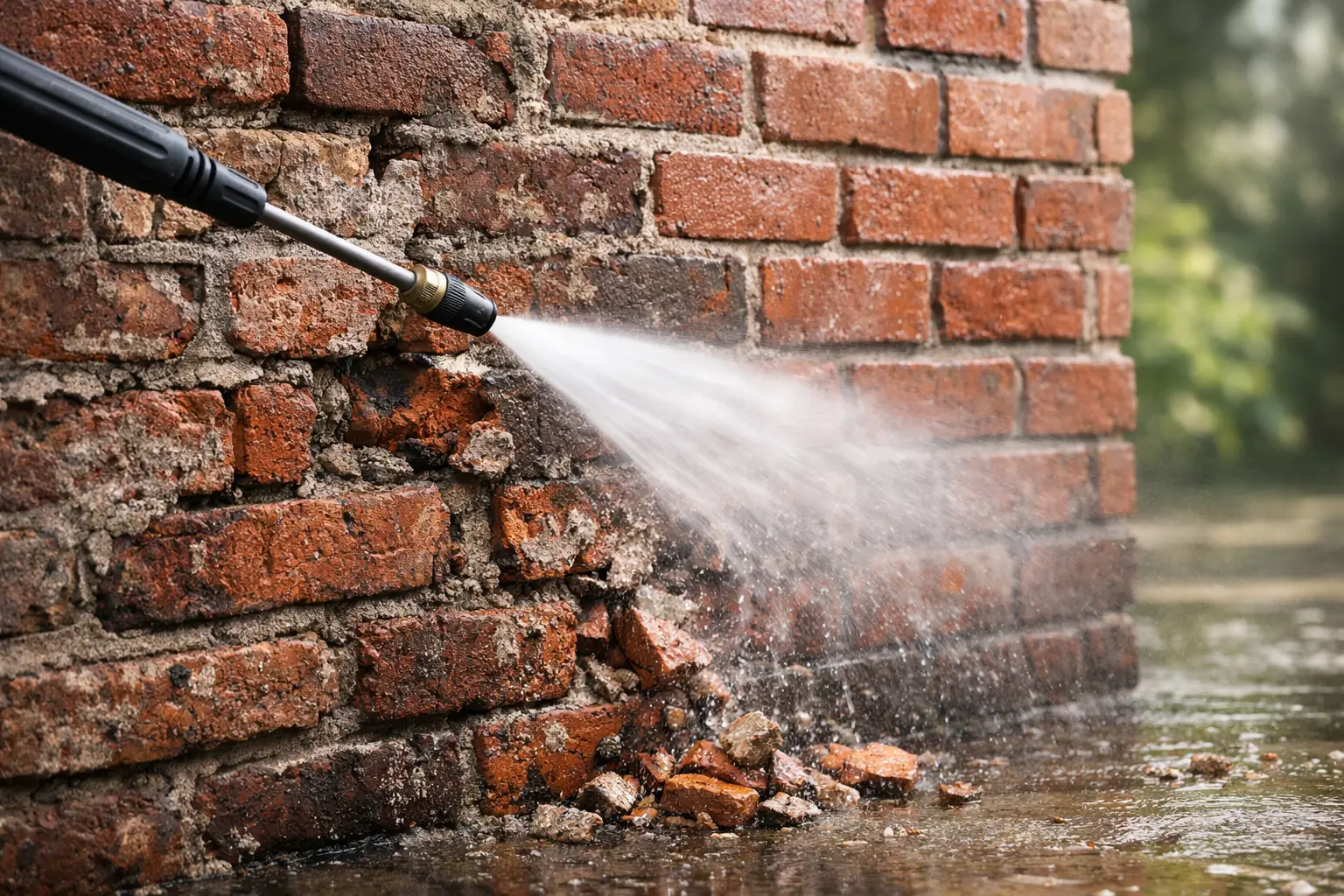
The most common mistake is using a pressure washer. This is the shortcut that creates expensive problems. Asphalt shingles are not built to handle concentrated pressure from close range, and older roofs are even more vulnerable.
The second mistake is scrubbing aggressively with a stiff brush. That can wear the shingle surface and remove protective granules. If moss is present, scraping and pulling can also damage the shingles.
The third mistake is using the wrong mix. A product that is too weak will not fully treat the growth. One that is too strong, or applied carelessly, can affect nearby plants and exterior finishes. Roof cleaning is one of those services where experience shows up in the details.
Why sodium hypochlorite alone is not the full answer
Homeowners often hear that a bleach-and-water mix will solve the problem. In some cases, sodium hypochlorite is part of the cleaning process, but that does not mean roof cleaning is as simple as filling a pump sprayer and getting started.
Concentration, surfactants, dwell time, weather conditions, runoff management, and application technique all matter. Using bleach without understanding the roof system and surrounding property can create more trouble than it solves. The visible stain may lighten, but that does not always mean the organic growth was properly treated.
When DIY makes sense and when it does not
If the staining is minimal, the roof is low-slope and easily accessible, and you already have the right safety equipment and exterior cleaning experience, a careful DIY approach may be possible. Even then, you should avoid pressure and be realistic about the risk.
For most homeowners, DIY stops making sense when the roof is steep, the algae covers a large area, landscaping is dense, or the roof material is older or more delicate. It also makes less sense when the real goal is long-term roof protection rather than just making the streaks less noticeable for a few weeks.
Commercial properties add another layer. Safety liability, building appearance, tenant traffic, and runoff management are not small concerns. A storefront, office building, winery, church, or managed facility usually benefits from a planned professional cleaning rather than a maintenance experiment.
How long roof algae removal lasts
That depends on shade, moisture, surrounding trees, roof orientation, and the quality of the treatment. A properly cleaned roof can stay noticeably cleaner for a substantial period, but no exterior surface stays pristine forever in a humid environment.
Homes with heavy tree cover may see regrowth sooner than homes with better sun exposure. North-facing slopes often show staining before sunnier sections. Preventive maintenance, including trimming back overhanging limbs where appropriate and keeping gutters functioning well, can help slow the return.
The main point is that proper treatment should do more than give you a temporary surface improvement. It should address the organic growth in a way that supports longer-lasting results.
How to tell if you need a professional roof cleaning
If the staining is spreading, the roof looks uneven in color, or you are seeing moss in addition to black streaks, it is time to have it assessed. The same applies if you are preparing to sell, trying to protect curb appeal, or dealing with an HOA that has noticed the roof.
A professional assessment is also smart if you are unsure whether the issue is algae, mold, lichen, or simple discoloration from age. These problems can look similar from the ground, but they do not always respond the same way.
Companies with real roof cleaning experience will not just show up with a pressure washer and hope for the best. They will explain the process, talk through the expected results, and let you know if the roof condition raises concerns beyond cleaning.
Choosing the right company for the job
Roof cleaning is not a commodity service. Price matters, but method matters more as does the years of experience . If a contractor recommends high pressure on asphalt shingles, that is a red flag. If they cannot explain how they protect landscaping or manage runoff, keep looking.
Ask what cleaning process they use, whether they specialize in soft washing, and how they approach delicate or aging roofing materials. It is also reasonable to ask about training, insurance, and experience with the types of properties common in your area. In Virginia, that can include everything from standard residential neighborhoods to historic homes and specialty commercial buildings.
Blue Ridge Exterior Cleaning has built its reputation around this kind of work by focusing on the right process, clear communication, and property protection rather than cutting corners for the lowest bid. That matters when the surface being cleaned is one of the most expensive systems on the property.
How to remove algae from roof surfaces and keep them looking better longer
There is no permanent one-time fix for organic growth on an exterior surface exposed to weather. But there is a right way to clean it and a wrong way. The right way starts with understanding that roofs need treatment, not punishment.
If you want the black streaks gone without trading appearance for damage, choose a soft wash approach, take roof safety seriously, and treat cleaning as preventive maintenance rather than a cosmetic quick fix. A cleaner roof looks better, but more importantly, it helps you take care of the structure underneath it before small issues become expensive ones.