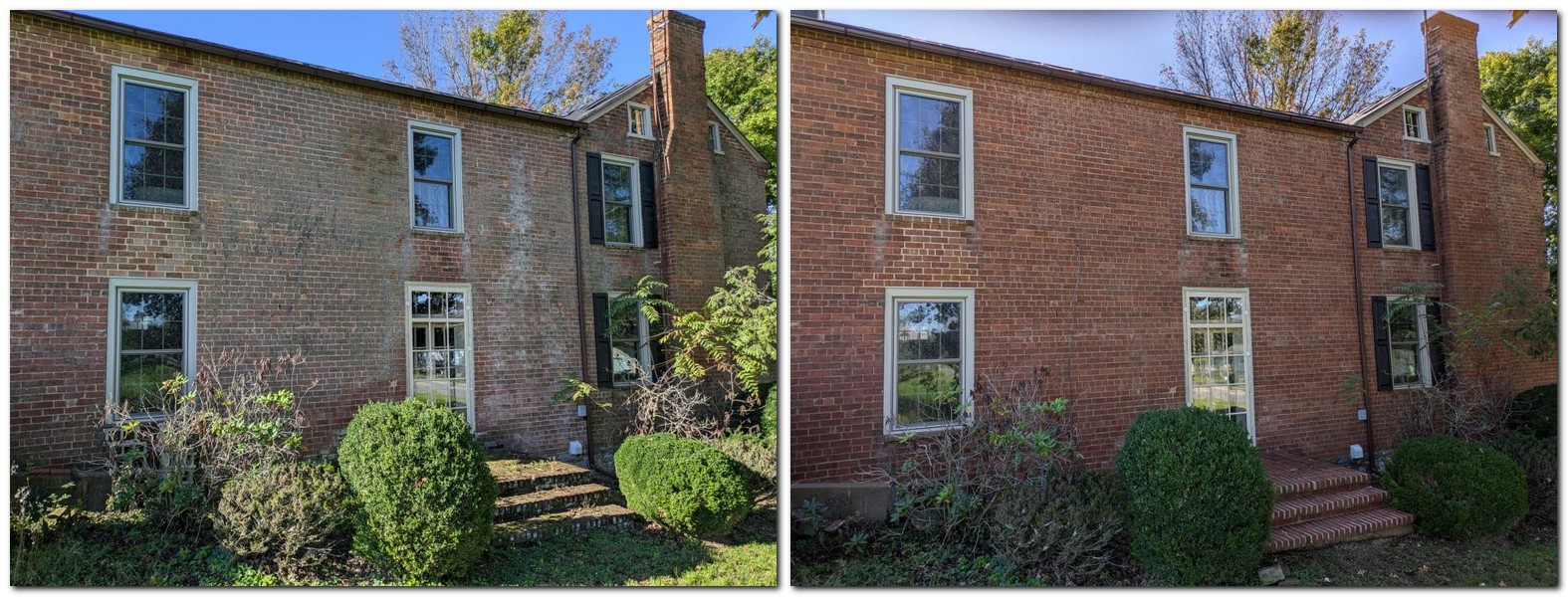
A historic home can lose character fast with the wrong cleaning method. Old brick, painted wood, limestone, copper, and original windows do not respond well to the same approach used on newer siding and concrete. Historic home exterior cleaning requires restraint, the right detergents, low-pressure methods, and a clear understanding of what the surface can handle.
That matters in Central Virginia, where homes deal with heavy pollen, algae, mildew, red clay, moisture, and seasonal temperature swings. Dirt is one problem. Damage caused by aggressive cleaning is the bigger one. A surface can look cleaner for a day and be permanently etched, loosened, stripped, or water-intruded underneath.
Why historic home exterior cleaning is different
The biggest mistake property owners make is treating an older exterior like any other house. Historic materials tend to be more porous, more brittle, and less forgiving. Mortar may be softer than modern mortar. Paint systems may be older and layered. Wood trim may have survived for decades because it has been maintained carefully, not because it can withstand high pressure.
A pressure washer in the wrong hands can force water behind clapboards, scar wood grain, strip paint, dislodge failing mortar, and leave oxidation or streaking on delicate surfaces. Even if visible damage does not show up immediately, trapped moisture can create a much bigger repair issue later.
Historic properties also tend to have more detail. Decorative trim, original shutters, old glass, metal fixtures, and carved stone all require a slower, more selective process. Cleaning is not just about removing organic growth. It is about preserving materials that are expensive, and sometimes impossible, to replace.
The goal is clean without changing the surface
On a modern vinyl-sided home, the standard may be simple: remove buildup and brighten the exterior. On a historic property, the standard is narrower and more careful. The right result is a cleaner surface without visible wear, loss of finish, or disruption to the building envelope.
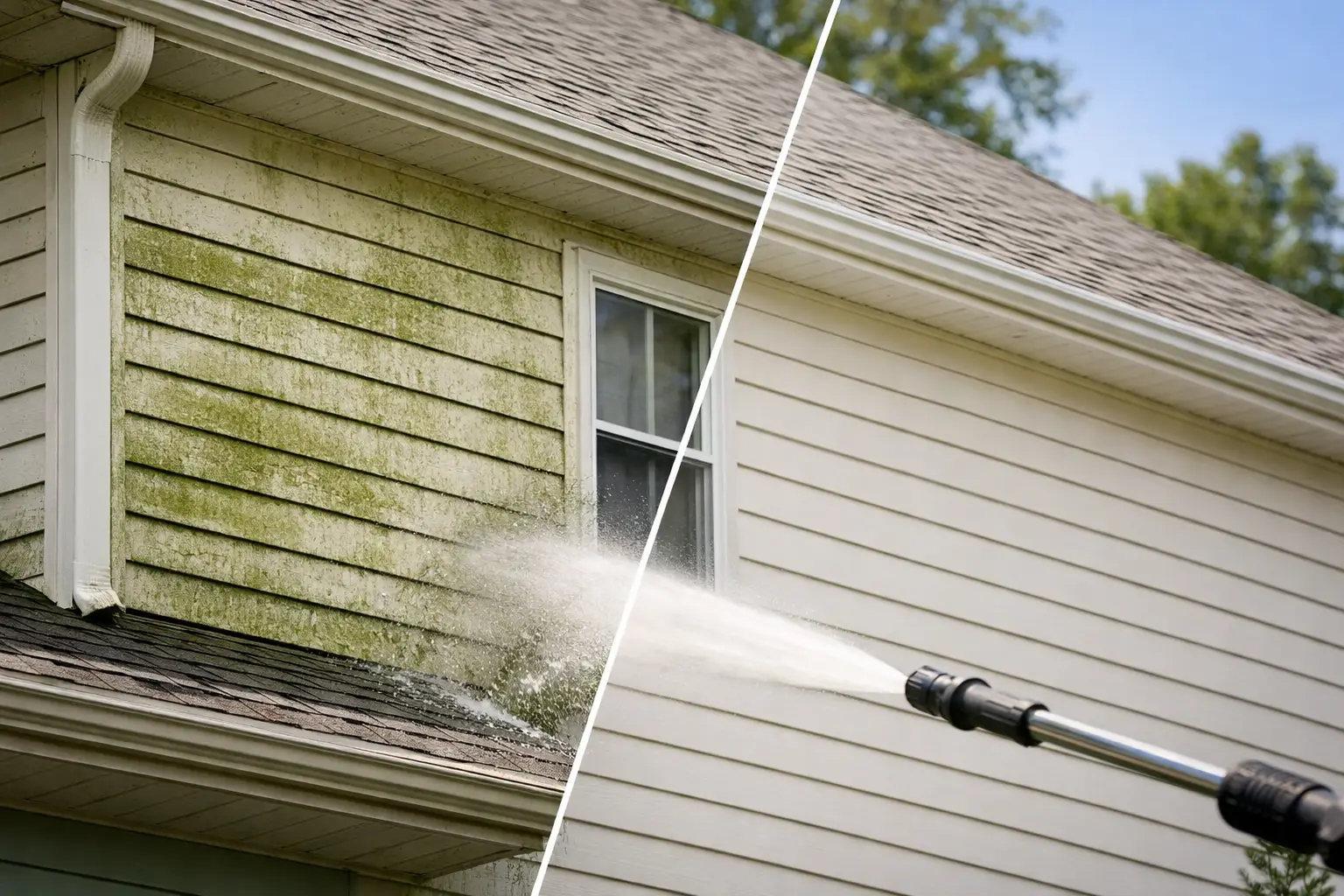
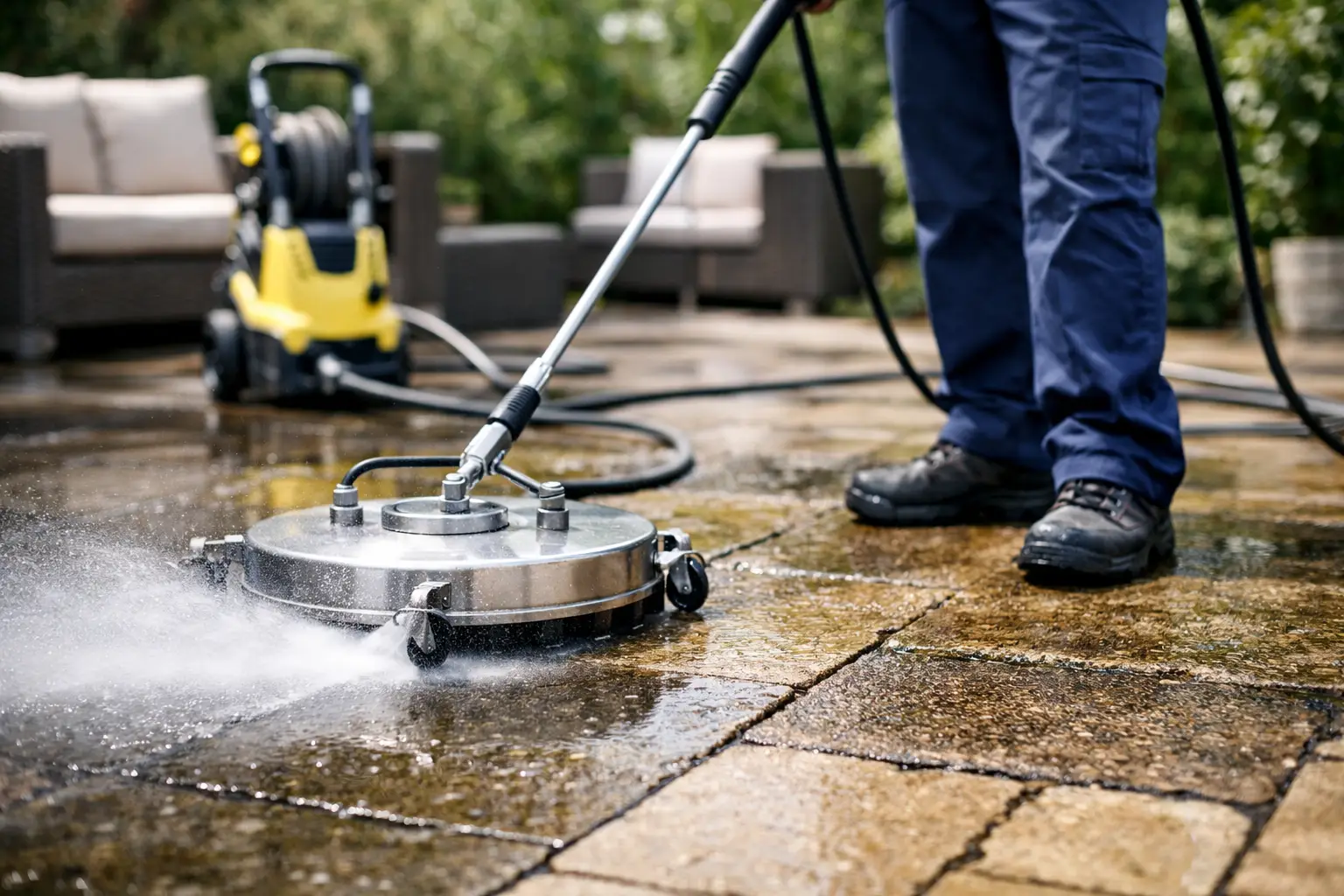
That usually means soft washing instead of high-pressure washing. Soft washing relies on appropriate cleaning solutions, dwell time, controlled rinsing, and experience reading each material. Pressure still plays a role on some masonry or hardscape surfaces, but it needs to be adjusted to the condition of the substrate, not just the stain.
This is where experience matters. Two homes built in the same decade can require different treatment based on prior repairs, sun exposure, paint condition, mortar age, and water drainage. There is no one-size-fits-all setting for historic work.
Which surfaces need the most caution
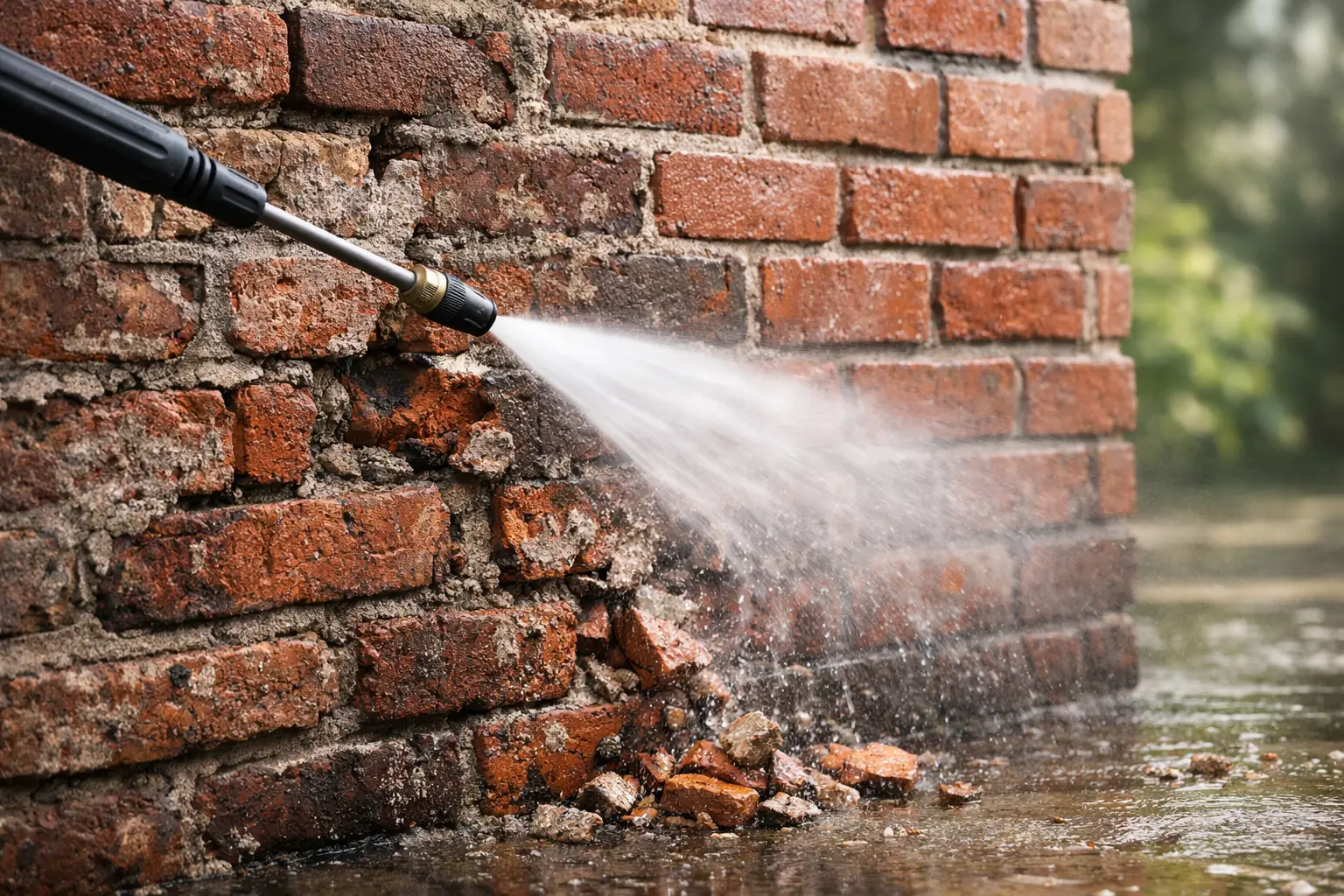
Older brick is near the top of the list. Historic brick is often softer than modern brick, and the mortar joints can be even more vulnerable. High pressure can remove the protective outer fired face of the brick and accelerate deterioration. If mortar is already failing, aggressive washing can turn a cleaning project into a repair project.
Painted wood siding and trim also need a careful hand. If the paint is sound, a low-pressure wash may remove mildew and grime without causing problems. If the paint is chalking, cracked, or lifting, cleaning has to be adjusted. Sometimes the honest answer is that the home needs prep for repainting, not an attempt to make failing paint look stable.
Natural stone can be tricky because different stones react differently. Limestone and similar softer materials can etch or discolor if the wrong chemistry is used. Metal surfaces, especially older copper and decorative fixtures, can also be affected by harsh cleaners or careless runoff.
Windows deserve special attention on historic homes. Original glass, aging glazing compound, wood sashes, and old screens are more delicate than what you see on new construction. A rushed rinse around windows can lead to leaks, loosened glazing, or damaged screens.
Common problems around historic homes in Virginia
In this region, organic growth is one of the most common reasons homeowners seek cleaning. Algae and mildew build up on shaded siding, roofs, and trim. Pollen coats surfaces in spring. Red clay can stain walkways, foundations, and lower walls. Moisture around gutters and landscaping can leave green and black streaks that make even a well-kept home look neglected.
The challenge is that these stains often overlap. A wall may have surface dirt, organic growth, oxidation, and runoff staining all at once. Treating everything as simple grime usually leads to poor results. The right process starts by identifying what is actually on the surface and then choosing a method that removes it without stressing the material underneath.
That is especially important on roofs and masonry. Black roof streaks are not just cosmetic, and moss or algae on older surfaces can hold moisture where it does not belong. The solution is not more pressure. It is applying the right treatment with the right dwell time and rinsing strategy.
Why DIY pressure washing often goes wrong
Most homeowners are not short on effort. The problem is that rental machines and consumer-grade advice rarely match the needs of a historic property. Online videos tend to show fast results, not long-term consequences.
A strong spray can look productive because it removes dirt quickly. It can also remove paint, scar wood, blast out mortar, and drive water behind trim. Detergents create another risk. The wrong mix can bleach plantings, stain metals, or leave uneven cleaning on brick and painted surfaces.
There is also the safety issue. Historic homes often have steep rooflines, uneven grades, older walkways, and elevated trim details that are difficult to reach safely. Add ladders, wet surfaces, and pressurized equipment, and what started as a weekend project can become expensive in a hurry.
What a careful professional process looks like
Good historic home exterior cleaning starts with inspection, not spraying. Surface condition, age, access, drainage, plant protection, and problem areas all need to be assessed first. If there is failing paint, deteriorated mortar, loose trim, or signs of water intrusion, that should shape the plan.
Next comes selecting the right method for each area. That may mean soft washing painted wood, carefully treating brick with low pressure, hand-detailing around sensitive trim, and using separate approaches for walkways, porches, and windows. A skilled contractor understands that the house is a collection of materials, not one giant surface.
Communication matters too. Owners of historic homes usually want to know what will be used, how runoff will be managed, and whether any area should be avoided. A professional should be able to explain the process in plain terms and be honest about limits. Some staining can be improved, while other marks may be permanent without restoration work.
For properties with real age and architectural value, this is not the place to shop only on price. Technical knowledge, equipment control, and material awareness are what protect the property.
When to schedule historic home exterior cleaning
Most historic homes do not need frequent aggressive cleaning. In many cases, a regular maintenance schedule with gentle methods works better than waiting until buildup becomes severe. Light, periodic cleaning is often safer than trying to reverse years of neglect in one visit.
Timing depends on the property. Heavily shaded homes may need more frequent attention because organic growth returns faster. Homes near trees, gardens, or red clay driveways often deal with recurring staining. If a home is being prepared for painting, an inspection before cleaning is smart so the cleaning process supports the project rather than complicates it.
Commercial and specialty properties with historic features, including older inns, tasting rooms, churches, and downtown buildings, may need a different schedule tied to visitor traffic and appearance standards. In those cases, protecting curb appeal and public safety often go hand in hand.
Choosing the right contractor for the job
If you are hiring out historic home exterior cleaning, ask specific questions. Have they worked on older brick, painted wood, and original windows? Do they use soft washing where appropriate? Can they explain where pressure is used and where it is not? Do they understand runoff control and plant protection?
This is one of those services where general exterior cleaning experience helps, but specialty experience matters more. Historic properties do not reward guesswork. They reward patience, training, and the ability to solve unusual surface problems without forcing a standard process onto every job.
Blue Ridge Exterior Cleaning has built a reputation around exactly that kind of work in Central Virginia – careful problem-solving, clear communication, and methods chosen to protect the property first. That approach is what historic homes require.
A well-kept historic exterior should still look like itself when the work is done, just cleaner, healthier, and better protected for the seasons ahead.