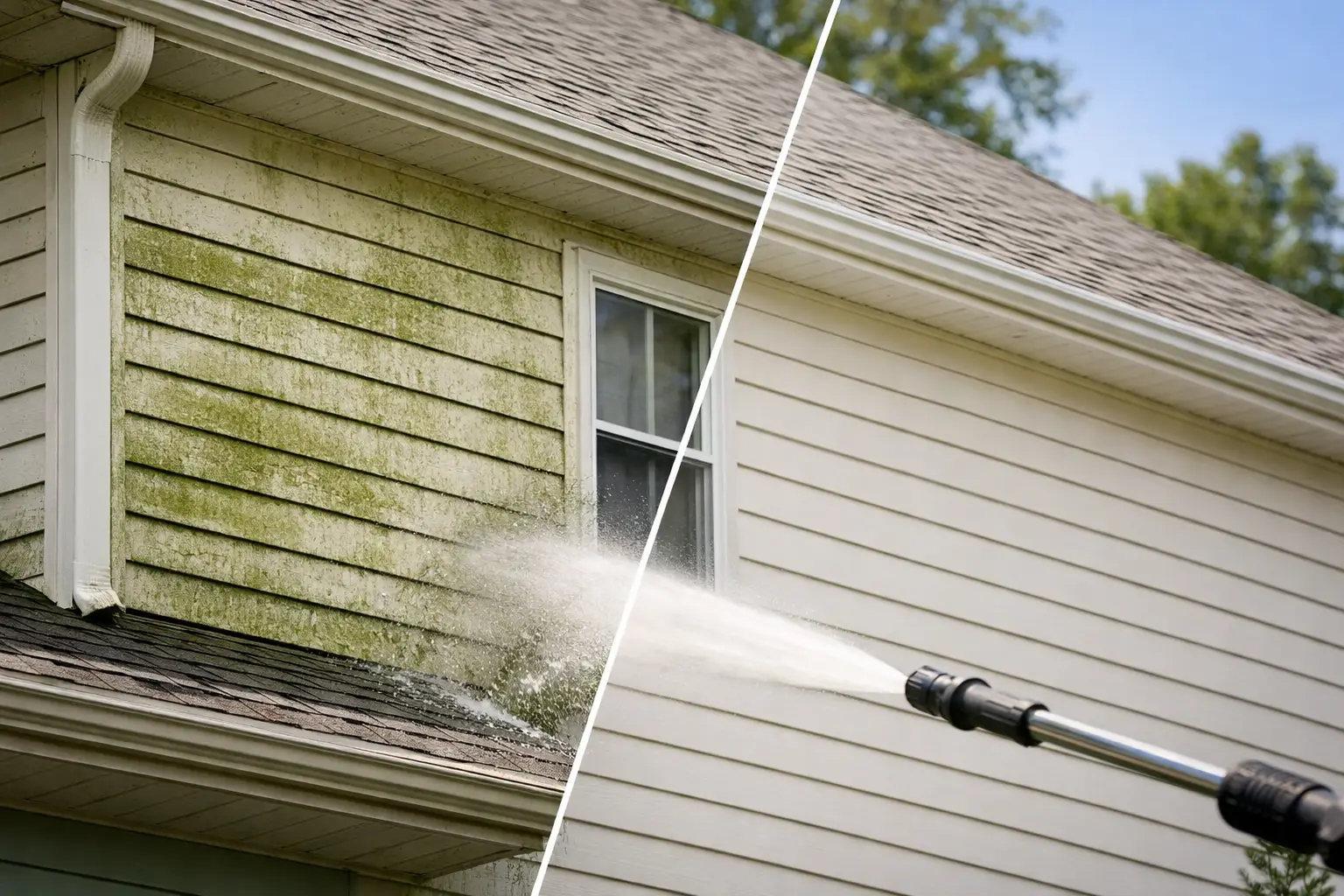
A patio can make a home feel finished, but it does not take long for that space to start looking neglected. Algae, mildew, red clay, pollen, grease, and ground-in dirt build up slowly, then all at once the whole area looks darker, slicker, and older than it should. That is usually the point when homeowners start looking for a patio pressure washing service and realize there is a big difference between rinsing a surface and cleaning it correctly.
A good cleaning is not about using the most pressure possible. In many cases, too much pressure is exactly what causes damage. The real goal is to remove organic growth, stains, and buildup without etching concrete, loosening joint material, or leaving the surface uneven in color. When the cleaning is done right, the patio looks better, dries safer, and holds up longer.
What a patio pressure washing service should actually do
Most people think of pressure washing as one simple task. Water goes in, dirt comes out. On real patios, it is not that straightforward.
Different materials respond differently to cleaning. Poured concrete, pavers, natural stone, brick, and stamped concrete all need a different approach. Some surfaces can handle higher pressure with the right technique. Others need more emphasis on detergents, dwell time, temperature, or controlled surface cleaning. If the method is wrong, the patio may look cleaner for a week but suffer permanent wear.
A professional patio pressure washing service should start by identifying the surface, the type of staining, and any existing weak points. That includes looking for cracked mortar, settled pavers, surface oxidation, rust, heavy biological growth, and areas where runoff needs to be managed. Cleaning should be adjusted to the material, not forced into a one-size-fits-all process.
Why patios get slippery and stained faster than expected
Patios take abuse from every direction. Foot traffic grinds in dirt. Shade holds moisture. Furniture traps debris. Planters leave rings. Trees drop tannins and organic matter. In many parts of Central Virginia, pollen and humidity create the perfect conditions for mildew and algae to spread.
That matters for more than appearance. The dark green or black film people see on concrete and pavers is often what makes the surface slick after rain or even morning dew. A patio that looks merely dirty can actually be a slip hazard. Around pools, outdoor kitchens, entry points, and entertaining areas, that becomes a real safety issue.
There is also the long-term wear factor. Organic growth holds moisture against the surface. Dirt and debris settle into pores and joints. Freeze-thaw cycles can make those problems worse, especially on aging concrete, paver patios, and masonry surfaces. Regular cleaning will not stop every form of deterioration, but it can reduce the conditions that accelerate it.
Pressure alone is not the answer
This is where many DIY jobs and low-cost contractors go wrong. They rely on force instead of process.
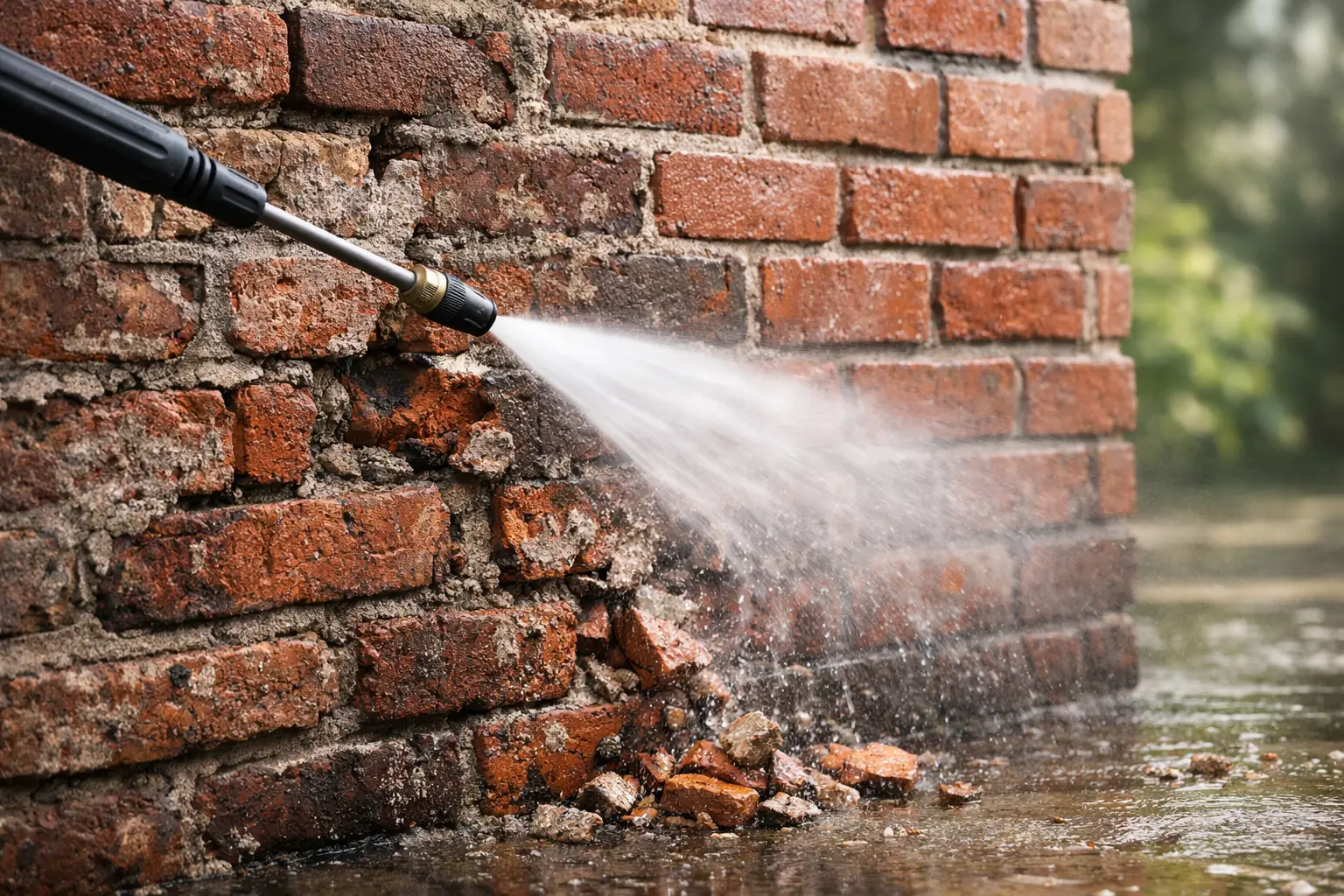
High pressure can leave lines in concrete, scar softer stone, shred polymeric sand, and strip away the top layer of some surfaces. On older patios, especially around historic homes or custom hardscapes, aggressive washing can create damage that is much more expensive than the cleaning itself. Even newer surfaces can end up with a patchy look when one area is blasted harder than another.
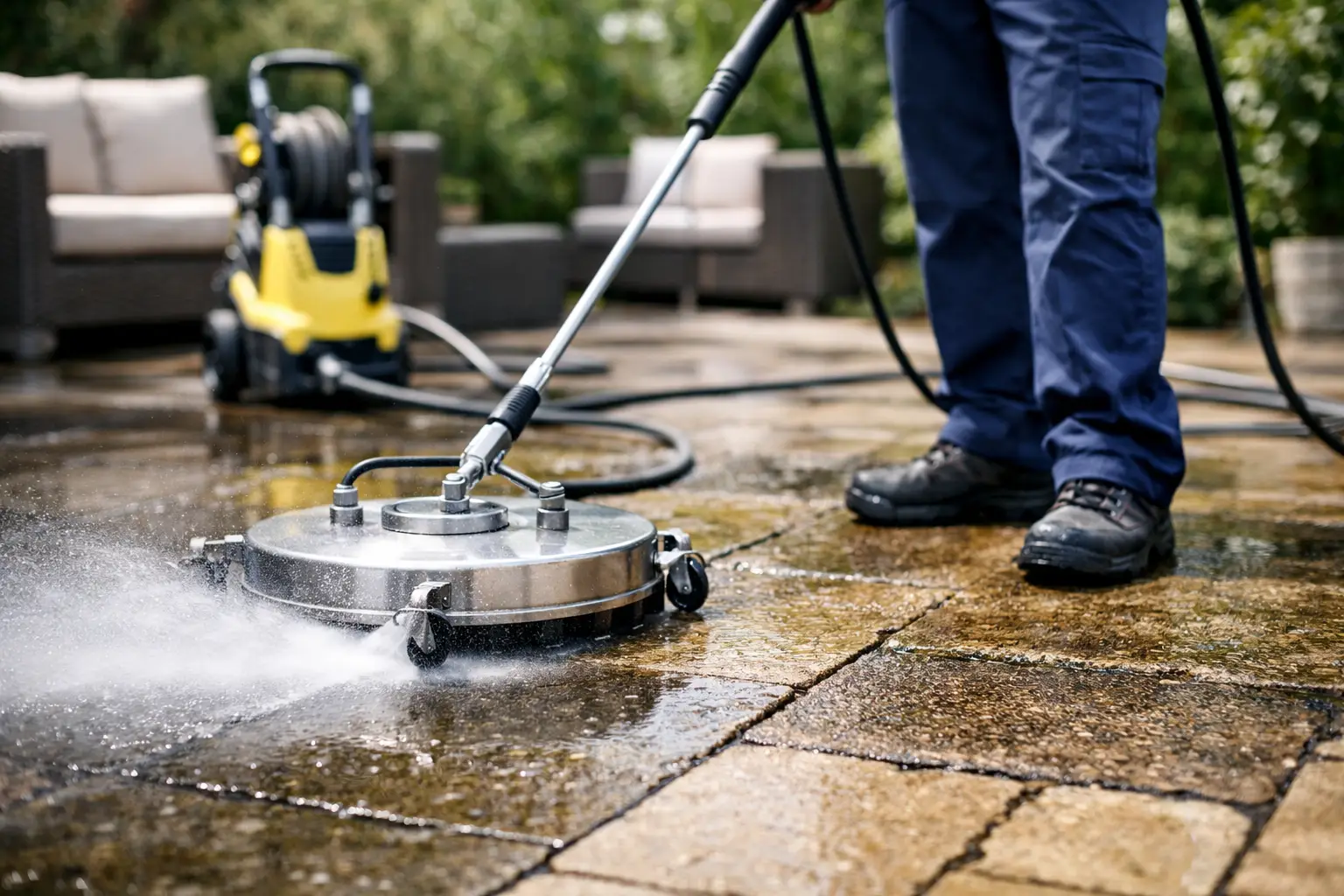
Professional results usually come from combining the right amount of pressure with the right cleaners and equipment. Surface cleaners help maintain even coverage. Pre-treatment helps break down algae, mildew, and embedded grime before the wash begins. Post-treatment may be needed when organic staining is stubborn or when the goal is to slow regrowth. Hot water can make a major difference on grease or food-related buildup in outdoor dining areas.
It depends on the patio. A heavily shaded paver surface with black algae needs a different plan than a bright concrete patio with clay staining and furniture marks.
Common patio surfaces and how they should be cleaned
Concrete is durable, but it is not indestructible. Too much pressure can etch it, especially if the nozzle is too close or the operator pauses in one spot. Concrete also tends to show cleaning mistakes clearly, which is why striping and wand marks are common after inexperienced work.
Pavers need more care than many people expect. They trap dirt in joints, and if the cleaning is too aggressive, the joint sand can be displaced. That can lead to movement, weed growth, and drainage issues over time. Cleaning pavers well often means balancing enough power to remove buildup without destabilizing the surface system.
Brick patios can be beautiful, but mortar joints are often the weak point. Older brick in particular may need a gentler cleaning method. The wrong approach can erode mortar, expose edges, and leave the patio more vulnerable to moisture intrusion.
Natural stone varies a lot. Some stone handles pressure well. Some does not. Certain stains also respond poorly to guesswork. If the patio includes decorative stone or premium hardscape materials, cleaning should be based on the specific stone rather than assumptions.
Stamped or decorative concrete deserves extra caution. The finish is part of the value, and aggressive washing can dull or damage that appearance.
When to schedule patio pressure washing service
Most patios do best with cleaning before buildup becomes severe. For many properties, that means once a year. For others, twice a year makes more sense, especially if the patio is shaded, surrounded by trees, or used heavily for entertaining or commercial traffic.
Spring is a common time to schedule service because winter leaves behind dirt, stains, and slick growth. A fresh cleaning gets the space ready for outdoor use. Fall can also be a smart time, especially if leaves, moisture, and organic debris collect heavily around the patio.
There are cases where timing should be more immediate. If the surface is noticeably slippery, if tenants or guests use the space regularly, or if a home is being prepared for sale or an event, waiting usually does not help. The longer growth and staining sit, the more effort the restoration may take.
What separates professional work from a quick wash
The visible result matters, but so does how the contractor gets there. A patio that looks bright on day one is not necessarily proof of quality if the surface was over-cleaned or damaged in the process.
A professional should be able to explain what method they plan to use and why. They should ask what the patio is made of, point out any pre-existing issues, and set realistic expectations about stain removal. Not every stain disappears completely. Rust, deep oil penetration, battery acid marks, and certain mineral discolorations can be stubborn. Honest communication matters more than overpromising.
Equipment also matters. Commercial-grade surface cleaners, proper nozzles, controlled chemical application, and hot water capability can all improve both safety and results. Experience matters just as much. Two operators can use similar machines and produce very different outcomes depending on training and judgment.
That is especially true for properties with specialty needs. Historic materials, winery patios, high-traffic commercial spaces, and surfaces affected by red clay all require more than a basic wash-and-go approach. Blue Ridge Exterior Cleaning has built its reputation around that kind of problem-solving, which is one reason customers call when the easy fixes have already failed.
Is DIY patio cleaning worth it?
Sometimes homeowners can improve a lightly soiled patio with the right equipment and patience. But the risks are real. Consumer machines still have enough pressure to scar concrete, damage joints, and create inconsistent results. Many people underestimate how much technique matters, or how long it takes to clean evenly without leaving marks.
There is also the issue of cleaners. Using the wrong product can injure surrounding plants, discolor the surface, or fail to address the actual stain. On the other hand, avoiding cleaners altogether often leads to a lot of effort with mediocre results. If the patio has heavy algae, black staining, red clay, grease, or delicate materials, professional service is usually the safer and more effective option.
For commercial properties, DIY usually makes even less sense. Time, liability, appearance standards, and safety concerns all raise the stakes.
What homeowners and property managers should ask before hiring
Before scheduling a patio pressure washing service, ask how the surface will be cleaned, whether detergents or hot water are needed, and what precautions will be taken for surrounding landscaping and nearby structures. Ask whether the contractor has experience with your specific material and whether they have handled similar staining before.
It is also fair to ask what happens if the patio has existing damage. Cracks, loose joints, and failing mortar should be identified upfront, not blamed on the customer after the job starts. Clear communication before the work is one of the strongest signs that the company takes property protection seriously.
Price matters, but it should not be the only filter. If one quote is dramatically lower than the others, there is usually a reason. It may mean less time on site, less effective treatment, lower-grade equipment, or more risk to the surface. Patio cleaning should improve the property, not create a repair bill.
A well-cleaned patio changes how a space feels. It looks cared for, it feels safer underfoot, and it invites people back outside. If you are hiring a patio pressure washing service, the best choice is the one that treats cleaning as surface care, not just water at full blast.