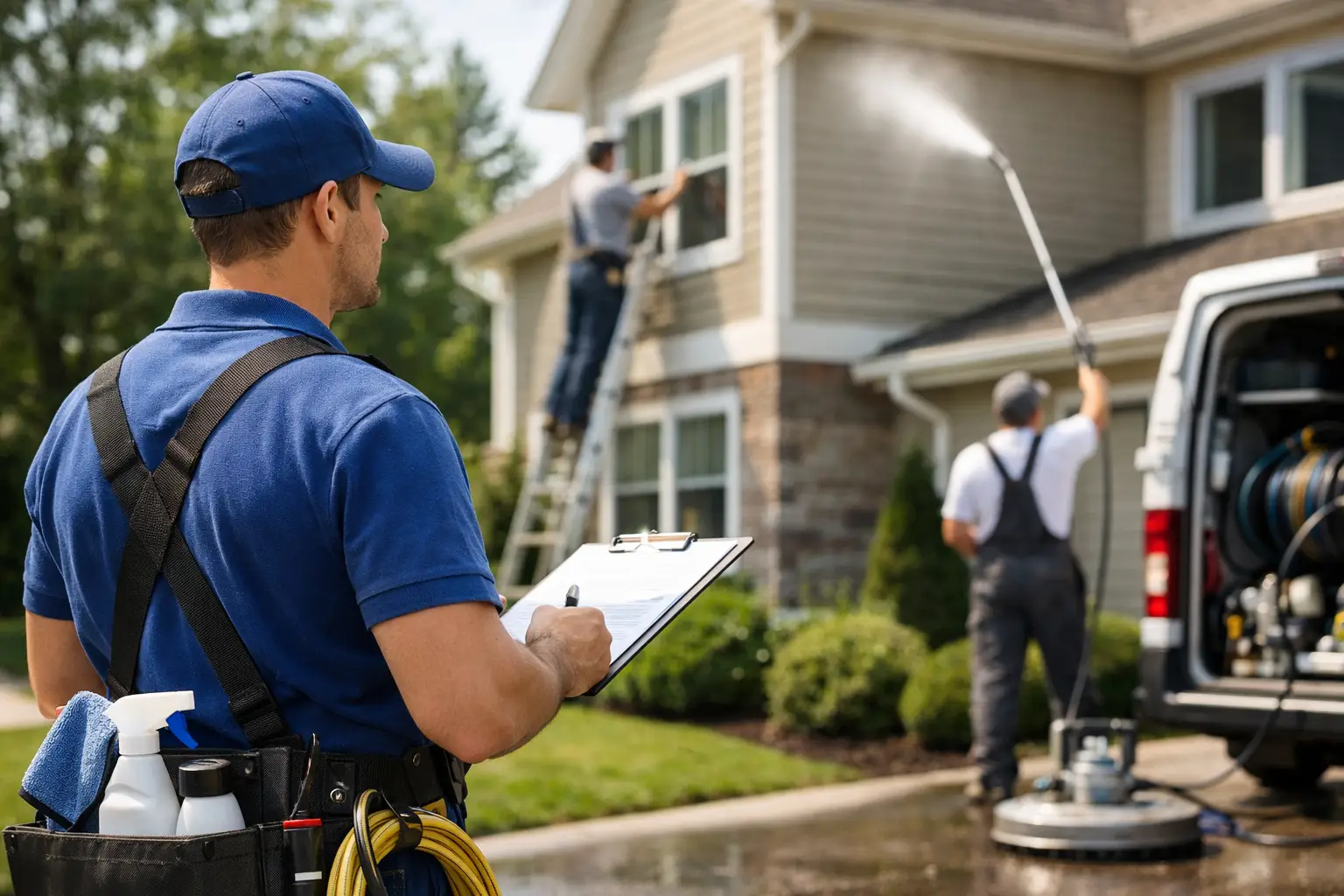
You usually start noticing the problem after the pollen settles, the siding looks dull, or the roof streaks get hard to ignore from the driveway. That is when most people type exterior cleaning services near me and hope the results lead to somebody who will actually protect the property instead of just blasting water at it. The problem is that exterior cleaning is not one service. It is a mix of methods, materials, experience, and judgment, and those details matter a lot.
If you are hiring for a home, a storefront, a church, a winery, or a multi-surface commercial property, the right choice is rarely the lowest quote. A low number can look appealing until a contractor etches concrete, damages siding, forces water behind trim, or treats roof cleaning like driveway washing. Good exterior cleaning should improve appearance, extend surface life, reduce risk, and make maintenance easier. It should not create a repair bill.
What exterior cleaning services near me should actually include
A professional exterior cleaning company should be able to do more than one thing well. Many properties need a combination of house washing, roof cleaning, concrete cleaning, window washing, deck or fence cleaning, and targeted stain removal. Commercial sites may also need building washing, playground cleaning, graffiti removal, storefront cleaning, and recurring maintenance.
That matters because most properties are not made of one material. A single home may have vinyl siding, painted trim, gutters, a shingle roof, concrete walks, brick accents, and delicate screens. A commercial site may include signage, entryways, dumpster pads, windows, loading areas, and safety-sensitive surfaces where slip risk matters. If a contractor only knows one approach, they often apply it everywhere. That is where problems start.
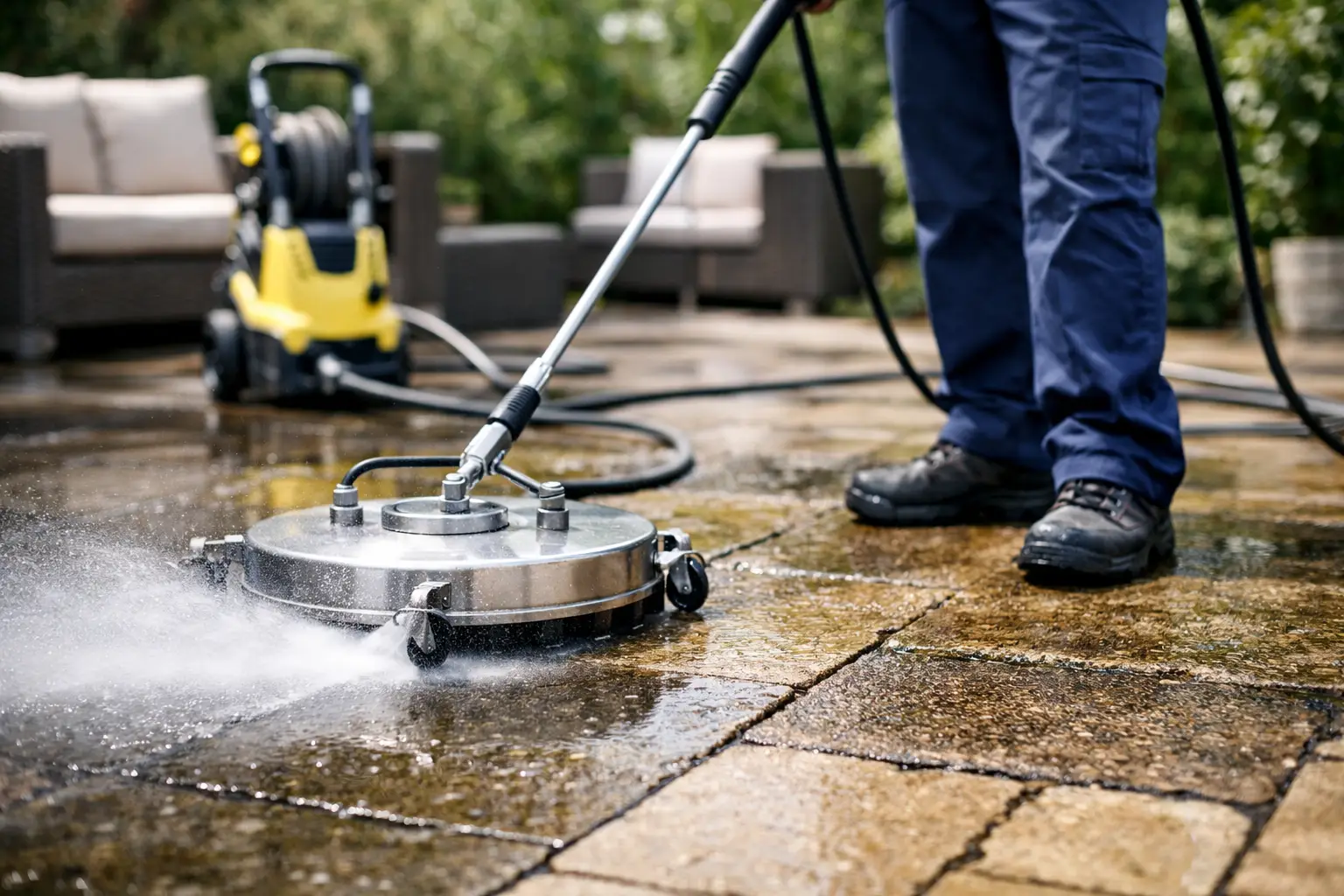
The better companies match the method to the surface. Soft washing is often the right answer for siding, painted exteriors, roofs, and other delicate materials. Higher-pressure surface cleaning can make sense for concrete and certain hardscapes. Hot water pressure washing may be needed where grease, gum, or heavy buildup is involved. The point is simple: technique matters more than marketing language.
Not all cleaning methods are equal
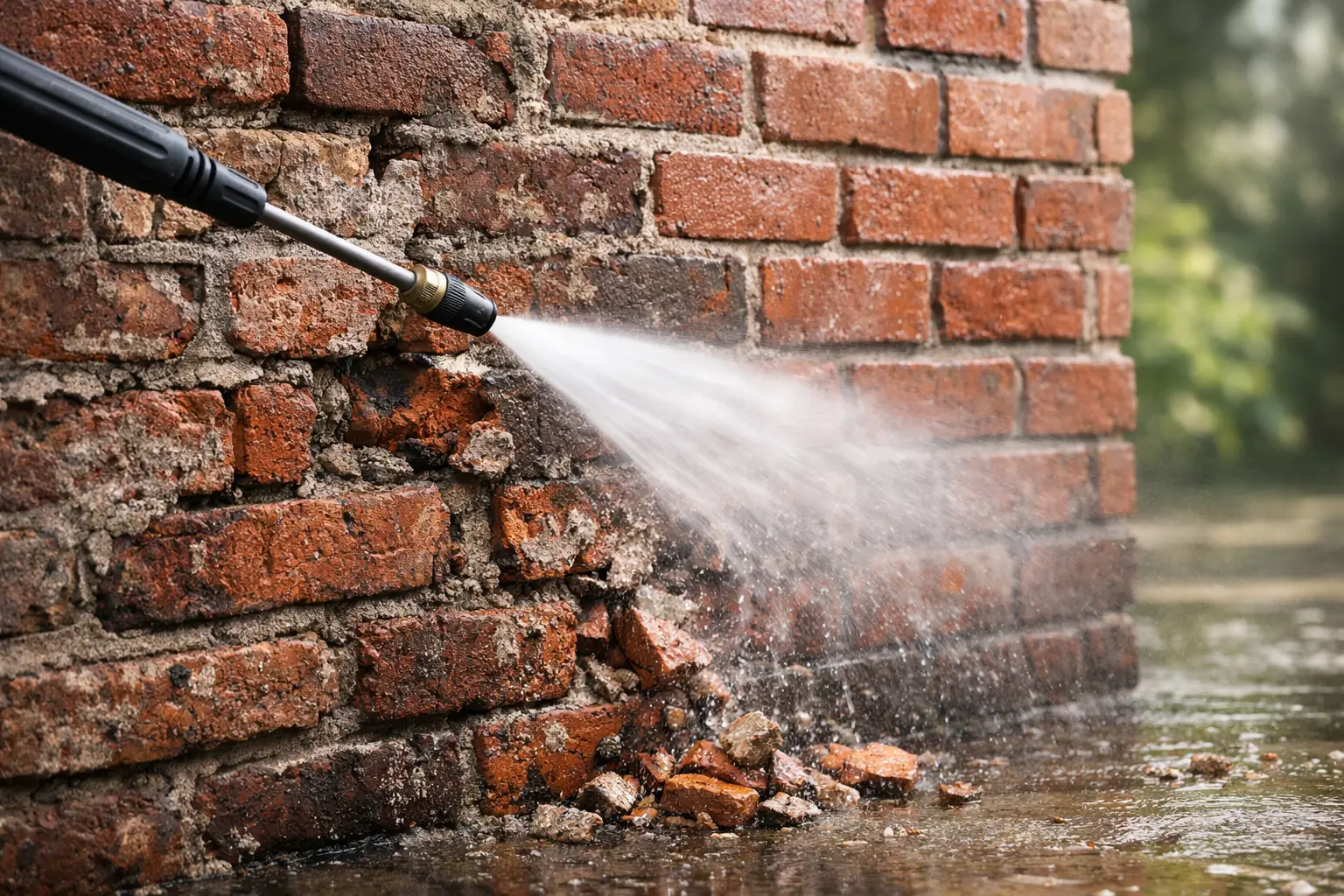
A lot of confusion comes from the phrase pressure washing. People use it to describe almost every exterior cleaning service, but that shorthand can be misleading. High pressure has its place, but it is not a universal solution.
For example, roof cleaning should not be treated like concrete cleaning. Asphalt shingles can be damaged by improper pressure, and even if visible dirt comes off, the process may shorten the roof’s life. Siding has similar concerns. The wrong nozzle, angle, or pressure setting can force water where it does not belong, strip oxidation unevenly, or scar painted surfaces.
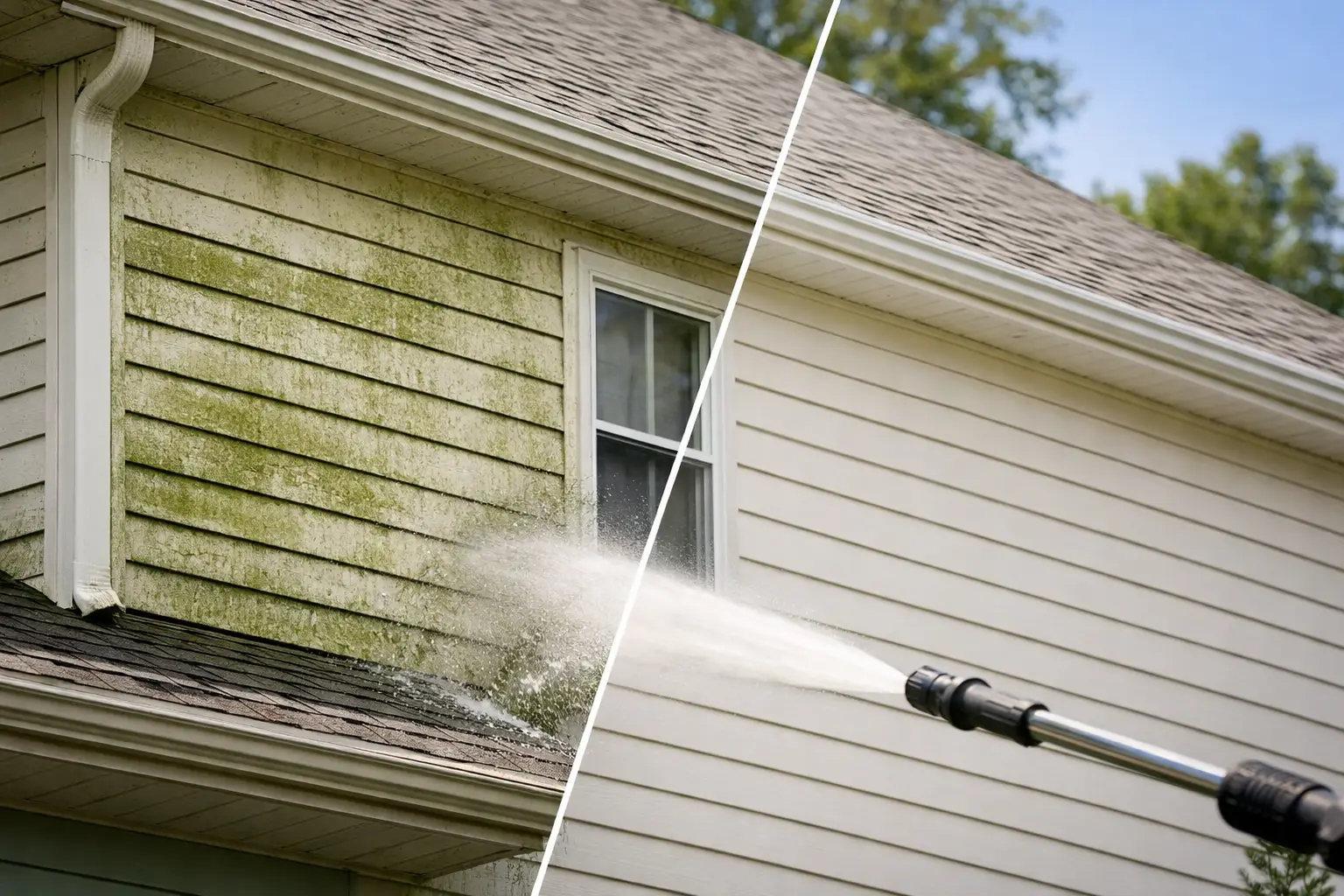
Soft washing is different. It uses lower pressure and cleaning solutions designed to treat algae, mold, mildew, and organic growth at the source. On many residential surfaces, that approach delivers a cleaner finish and a longer-lasting result. It also reduces the chance of surface damage when handled correctly.
There is also a difference between cleaning what you can see and treating what is causing the staining. If black roof streaks, green siding, or slippery walkways are caused by biological growth, rinsing the surface may improve appearance for a short time, but the results often fade fast. A proper cleaning process targets the growth itself, not just the symptom.
How to compare local companies without guessing
When evaluating exterior cleaning services near me, the safest approach is to look for signs of real technical experience. Start with how the company talks about the work. Do they explain the difference between soft washing and pressure washing? Can they tell you why one method is appropriate for a roof, another for concrete, and another for windows or solar panels? Specific answers are usually a good sign.
Experience matters, but broad experience matters even more. A contractor who has spent years cleaning homes, commercial sites, historic properties, and specialty surfaces has likely seen the problems that newer operators miss. That includes oxidation, red clay staining, delicate trim, older masonry, drainage concerns, and the residue patterns common in Virginia’s climate.
Communication is another filter that gets overlooked. If a company is hard to reach before the job, vague about the process, or slow to answer basic questions, that usually does not improve once the project starts. Reliable service means clear scheduling, clear scope, clear expectations, and somebody who actually follows through.
Reviews help, but read them for substance, not just stars. Also pay attention to a large number of reviews with generic language, or reviewers with no other review history. You want to see comments about professionalism, responsiveness, care with property, and results that held up over time. Photos can help too, especially when they show varied surfaces rather than the same type of before-and-after repeated over and over.
Residential work is about more than curb appeal
Homeowners often call for cleaning because they want the place to look better, and that is reasonable. A clean exterior changes how a property feels. But appearance is only part of the value.
Organic buildup on siding, roofs, decks, and walkways can hold moisture, contribute to staining, and create slippery conditions. Gutters, trim lines, and shaded elevations are especially vulnerable. Left alone, buildup becomes harder to remove and more likely to leave lasting marks. Regular cleaning can slow that cycle and help surfaces last longer.
There is also the safety side. DIY pressure washing sounds simple until you are on a ladder, handling equipment you do not use every day, trying to clean a second-story wall or roof edge. Even ground-level work can go wrong fast if pressure is too high or the wrong cleaner is used. Hiring a pro is not just about convenience. It is often the lower-risk decision for the property and the person doing the work.
Commercial properties have different stakes
For business owners and facility managers, exterior cleaning is tied directly to presentation, liability, and maintenance planning. Customers notice dirty entryways, stained sidewalks, algae on storefronts, and neglected building exteriors. Tenants notice too. So do employees, guests, and inspectors.
A commercial cleaning provider should understand more than appearance. They should be able to work around business hours, foot traffic, safety concerns, and access limitations. They should also know how to handle surfaces that need recurring care, such as common areas, dumpster pads, walkways, windows, and playground equipment.
Specialty properties raise the bar even further. Historic buildings, wineries, solar arrays, and multi-material campuses require a careful approach. The right company should be comfortable saying when a surface needs a gentler process, a specialized cleaner, or extra prep time. That is not upselling. It is competence.
Price matters, but value matters more
Every customer has a budget, and that is fair. But exterior cleaning quotes should be compared by scope and method, not just total cost. One quote may include proper treatment, detailed rinsing, protection for surrounding areas, and a method matched to each surface. Another may just include a fast pass with equipment that is wrong for half the job.
If one estimate comes in much lower than the others, ask why. It may be a smaller scope, weaker process, less experienced labor, or a company that plans to move quickly and hope for the best. Cheap exterior cleaning can become expensive when damage shows up later or the staining returns almost immediately.
This is where a quality-first company stands apart. In Central Virginia, that often means understanding local issues like humidity-driven growth, seasonal pollen, and red clay staining that does not come off with generic washing. Blue Ridge Exterior Cleaning has built its reputation around handling those details correctly for over sixteen years, with the kind of communication and technical judgment customers usually wish every contractor had.
Questions worth asking before you schedule
Before approving any exterior cleaning job, ask what method will be used on each surface and why. Ask whether the company treats organic growth or just rinses it off. Ask how they handle delicate materials, older surfaces, landscaping, and areas around doors, outlets, and windows. If the property has specialty needs, bring them up early.
You should also ask what results are realistic. Some stains improve dramatically. Others, especially older oxidation issues or deeply set mineral and clay staining, may need specialized treatment or may not disappear completely in one visit. Honest contractors will tell you that upfront instead of overpromising.
A good estimate should leave you with fewer questions, not more. You should understand what is being cleaned, how it will be cleaned, and what kind of follow-up or maintenance may make sense based on the property.
When you search exterior cleaning services near me, you are not just buying a cleaner-looking building for a day. You are choosing how your property will be handled, what risks are reduced, and whether the work is done with enough care to be worth doing at all. The right contractor will make that decision easier by being clear, capable, and willing to do the job the right way the first time.