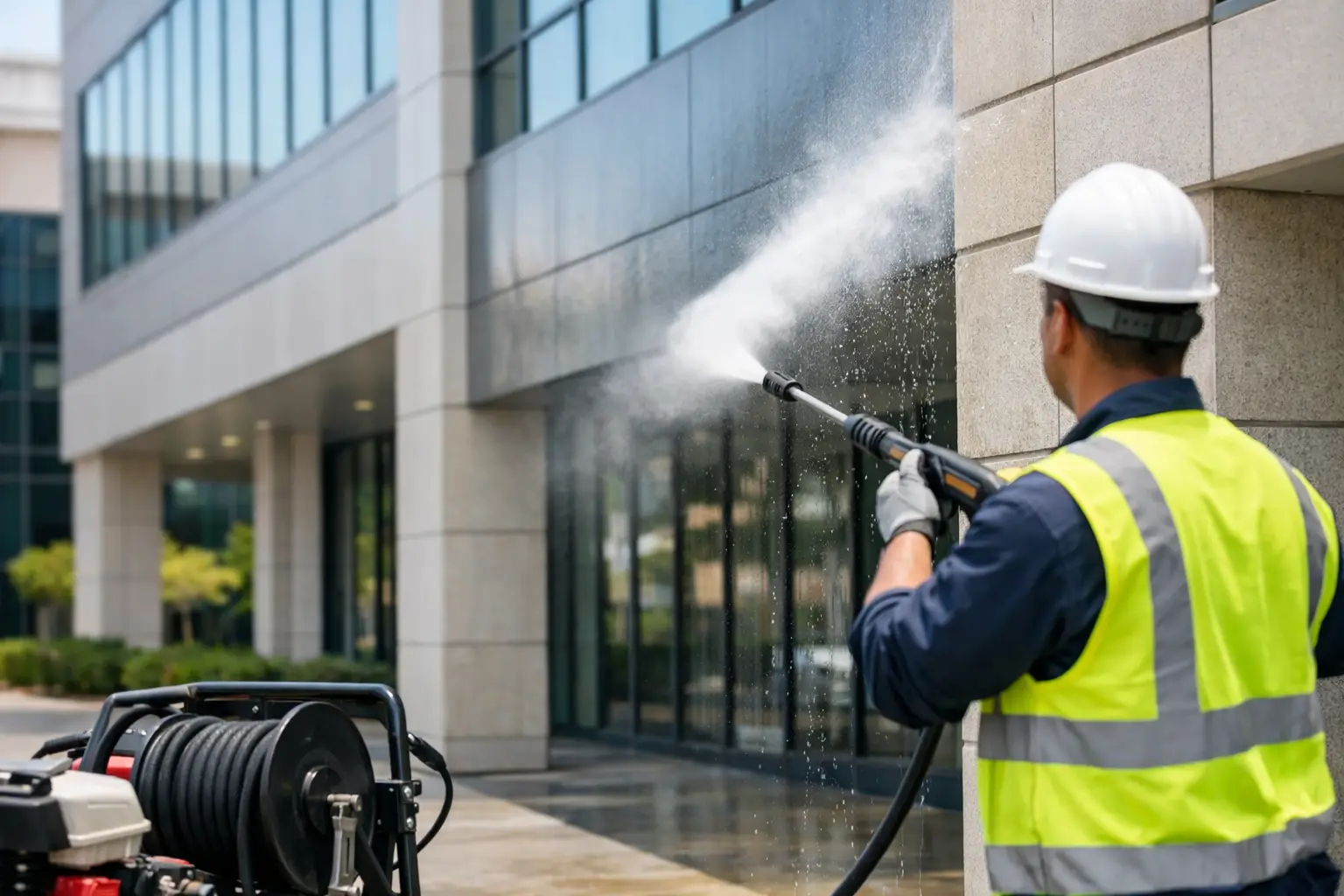
A dirty building tells people something before your staff ever says a word. Stained siding, algae streaks, gum at the entry, and mildew around concrete do not just affect appearance – they can shape how customers, tenants, and visitors judge the way a property is managed. This commercial building washing guide is built for owners and facility managers who want the job done right without risking paint, masonry, sealants, windows, or landscaping.
Commercial washing is not one service. It is a group of cleaning methods matched to the material, the soil load, and the building’s use. A medical office, retail storefront, church, winery, apartment building, and historic downtown property may all need exterior cleaning, but they should not be treated the same way. The right approach protects the surface while removing the contamination that is actually causing the problem.
What a commercial building washing guide should cover
At the basic level, building washing removes organic growth, dirt, atmospheric pollution, spider webs, oxidation, grease, and other contaminants from exterior surfaces. But the larger goal is maintenance. When buildup is left in place, it can shorten the life of paint, stain concrete, make entrances look neglected, and create slippery areas around walkways and loading zones.
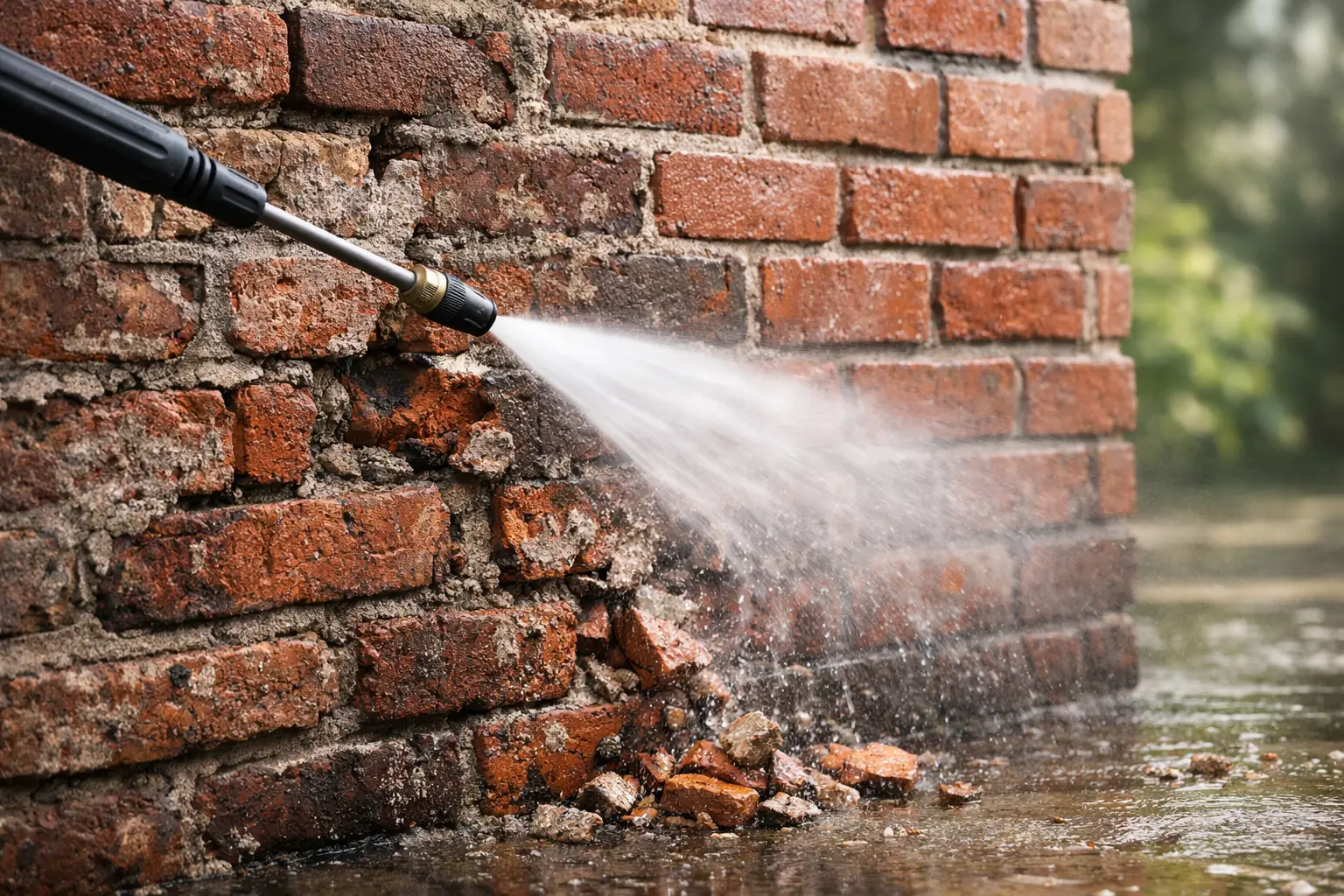
A good plan starts with identifying what is on the surface and what the surface can tolerate. That sounds simple, but it is where many cleaning problems begin. Too much pressure can scar stucco, force water behind siding, etch softer masonry, or damage seals around windows and doors. On the other hand, using an overly gentle method on heavy grease or embedded grime may waste time and leave uneven results.
That is why professional building washing often uses a combination of soft washing, pressure washing, hot water cleaning, detergent application, and surface-specific rinsing. There is no single setting that works for everything.
Choosing the right method for the building
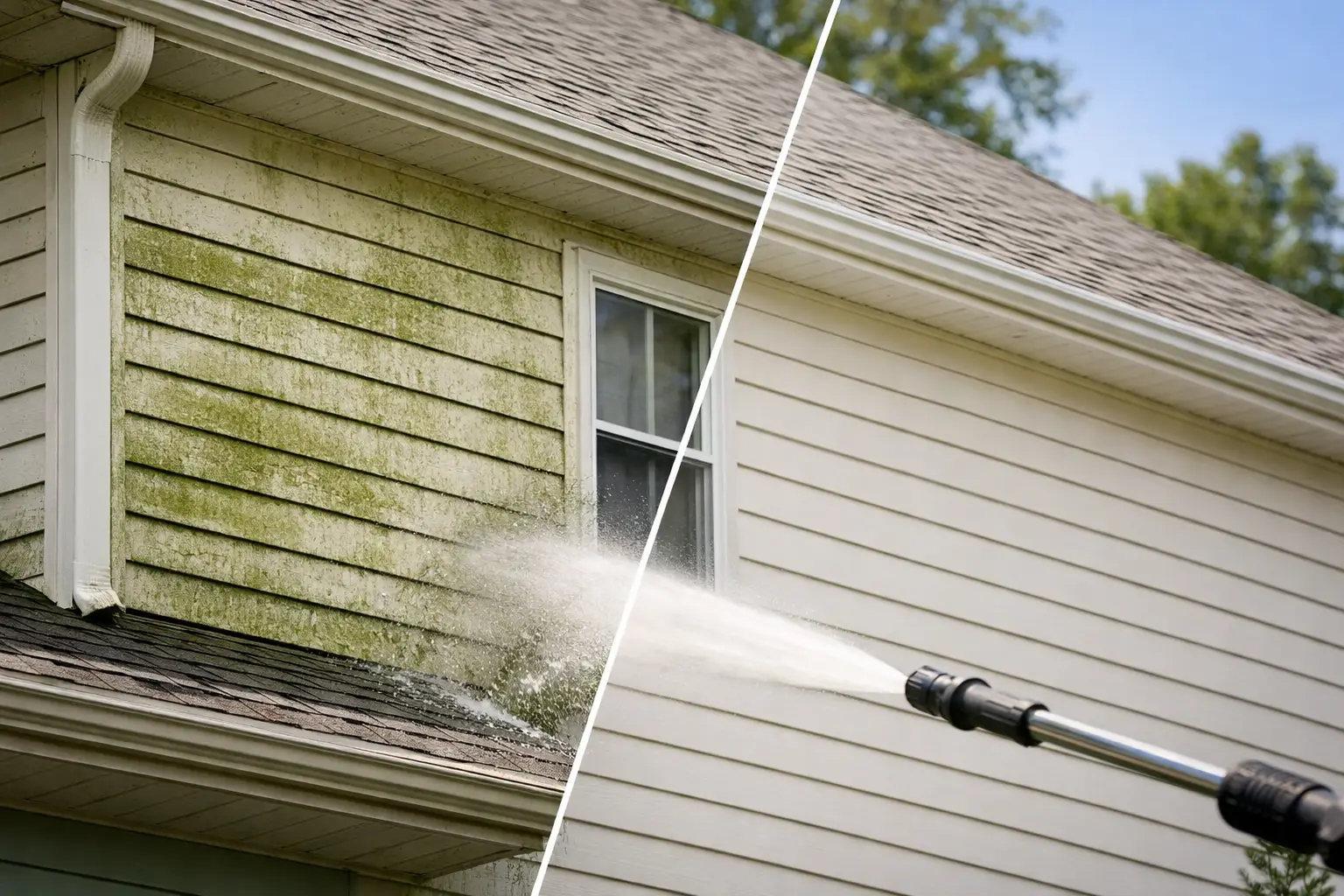
Soft washing is usually the right choice for more delicate exterior surfaces. This method relies on professional cleaning solutions and low-pressure application rather than blasting the surface with force. It is commonly used on painted exteriors, vinyl, EIFS, certain types of siding, trim, and areas where organic growth is the main issue. If a building has algae streaks, mildew, and general atmospheric dirt, soft washing often gives the best result with the lowest risk.
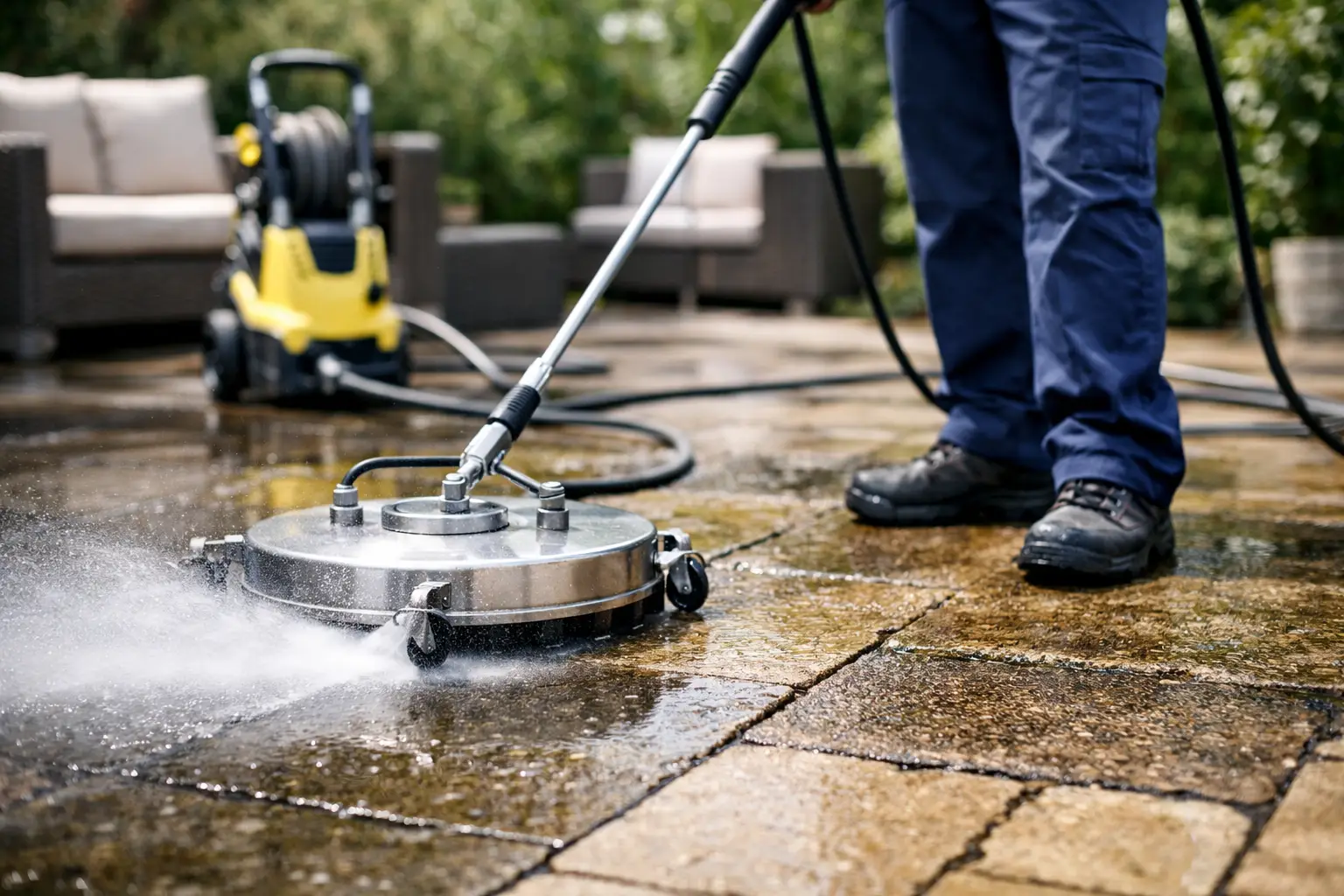
Traditional pressure washing has its place, especially on harder surfaces that can handle more force. Concrete walls, some masonry surfaces, service areas, dumpster pads, and heavily soiled entries may need higher pressure to break loose buildup. Even then, pressure should be controlled carefully. The goal is to clean the contamination off the surface, not to punish the surface itself.
Hot water pressure washing becomes valuable when grease, food residue, oil, and sticky buildup are involved. Restaurants, commercial pads, drive-thrus, and loading areas often need heat to cut through soils that cold water alone will not remove effectively. If your building has heavy traffic and petroleum-based staining, heat can make a major difference.
Historic and specialty properties require even more caution. Older brick, lime-based mortar, aged wood, decorative trim, and fragile coatings can be damaged quickly by aggressive washing. Wineries and hospitality properties also need a cleaner presentation without disrupting guest experience or harming adjacent surfaces. In those cases, experience matters as much as equipment.
Common problem areas that deserve extra attention
Most managers think first about the front elevation, and that makes sense. It is the part people see. But many appearance and maintenance issues start elsewhere.
Entryways collect gum, dirt, pollen, and stains that make a building look older than it is. Sidewalks and breezeways can grow slick with algae or mildew, especially in shaded Virginia conditions. Rear service areas often develop odor and grease issues that attract complaints. Stairwells, dumpster enclosures, retaining walls, and lower siding lines frequently hold the worst buildup because they stay damp longer and get less sunlight.
Windows are another factor. A clean facade next to visibly dirty glass can still leave the property looking unfinished. The same is true for screens, frames, and sills. If your goal is a sharp overall presentation, washing should be planned as part of a broader exterior maintenance visit rather than treated as one isolated task.
Timing matters more than many owners realize
A commercial building does not have to look terrible before it needs washing. In fact, routine cleaning is usually more cost-effective than waiting until staining becomes severe. Once organic growth gets established or pollution staining sits too long, removal gets harder and the building may need more labor, more chemistry, and more aggressive treatment.
For many properties, an annual washing schedule works well. Others need more frequent service. Restaurants, high-traffic retail sites, schools, medical offices, multi-tenant buildings, and facilities with lots of shade or moisture may benefit from semiannual cleanings. It depends on tree cover, drainage, traffic, nearby roads, and the type of contamination showing up on the building.
Season matters too. Spring is popular because winter leaves behind grime and pollen season follows close behind. Fall can also make sense if you want to remove summer growth and clean up before colder weather sets in. The best schedule is the one that fits your property’s conditions and the image you need to maintain year-round.
How to evaluate a contractor using this commercial building washing guide
If you are hiring out the work, do not focus only on price. Exterior cleaning is one of those services where a low bid can hide shortcuts that cost more later. Ask how the contractor plans to clean your specific building, what method will be used on each surface, and how surrounding landscaping, signage, fixtures, and entries will be protected.
It also helps to ask whether the company has experience with properties like yours. A contractor who mostly cleans flat concrete may not be the best fit for a painted office building, historic structure, or specialty property with mixed materials. Real experience shows up in the details – pre-wetting plants, adjusting pressure, selecting the right detergents, managing runoff, and knowing when not to use more force.
Communication matters just as much. Commercial clients usually need scheduling clarity, minimal disruption, and confidence that the crew will show up prepared. A dependable contractor should be able to explain the process in plain language, point out any limitations honestly, and set realistic expectations for stain removal.
What results you should expect
A professional wash should leave the building cleaner, brighter, and more consistent in appearance. Organic staining should be removed or significantly reduced. Dirt lines, cobwebs, mildew, and surface film should be gone. Concrete and entry areas should look more maintained, and the property should present better to customers, tenants, employees, and inspectors.
That said, not every stain is fully reversible. Rust, deep oxidation, old sprinkler staining, and certain red clay or mineral deposits may need specialty treatment or may only improve partially, depending on how long they have been there and what surface they have penetrated. A good contractor will tell you that up front rather than promising a perfect result on every surface.
The bigger win is long-term protection. Regular washing can help preserve finishes, reduce slip hazards, and keep minor appearance issues from becoming larger maintenance problems. It also supports the image of a property that is actively cared for, which matters whether you manage one storefront or a multi-building site.
Why local experience matters in Central Virginia
Properties across Augusta County, Waynesboro, Albemarle, and the surrounding region deal with a mix of humidity, pollen, shade, red clay, and seasonal growth that can make buildings look dirty fast. Not every exterior cleaning company is equipped to handle that range of conditions, especially when older materials, winery settings, or specialty stains are involved.
That is where a company like Blue Ridge Exterior Cleaning stands apart. Experience, training, and surface-specific methods matter when the goal is not just to wash a building quickly, but to protect it while getting a professional result.
If your building is starting to show green streaks, grime around entrances, or weathering that makes the property look tired, do not wait for complaints to tell you it is time. A smart washing plan keeps the building looking cared for and helps you stay ahead of damage instead of reacting to it later.