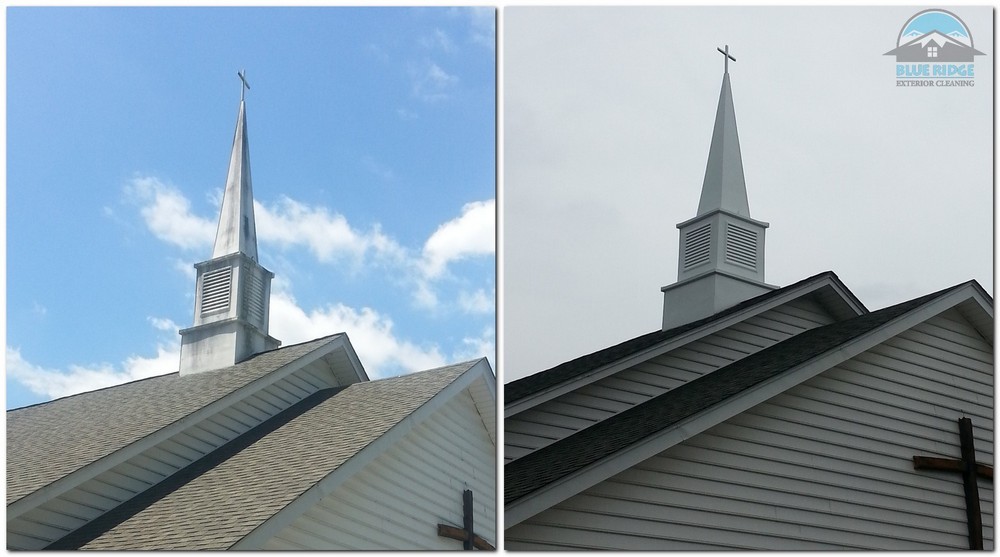
A church steeple tells people a lot about a property before they ever step inside. When the uppermost point of a building is streaked, stained, or covered in organic growth, it changes the whole impression of the site. That is why steeple cleaning Charlottesville property owners schedule is not just cosmetic work. It is part of protecting the building, preserving materials, and avoiding the kind of neglect that turns a manageable cleaning issue into a repair problem.
Steeples are different from standard exterior surfaces in one obvious way – height. But height is only part of the equation. Many steeples combine delicate trim, aging paint systems, metal components, louvers, masonry, and hard-to-reach architectural details. Cleaning them correctly takes more than a ladder and a pressure washer. It takes planning, the right access methods, and a clear understanding of what the surface can handle.
Why steeple cleaning in Charlottesville needs a specialized approach
Charlottesville properties deal with a mix of humidity, pollen, algae, mildew, and seasonal grime. On a low surface, that buildup is easier to spot and easier to address early. On a steeple, contaminants can sit for a long time before anyone notices how much is accumulating.
That buildup does more than dull the appearance of the structure. Organic growth can hold moisture against painted and porous surfaces. Black streaking and mildew can shorten the life of coatings. Metal elements may show oxidation or staining. In some cases, nesting debris, spider webs, and environmental residue collect around vents, trim, and ledges, making the upper structure look older than it is.
A proper cleaning plan depends on what the steeple is made of and how it is built. Painted wood, vinyl, metal, stucco, brick, and composite materials all respond differently. The safest method for one structure may be the wrong choice for another. That is where experience matters.
What can go wrong with the wrong cleaning method
Steeples are one of the clearest examples of why high pressure is not always the answer. The goal is not to blast dirt off at any cost. The goal is to remove buildup while protecting the finish underneath.
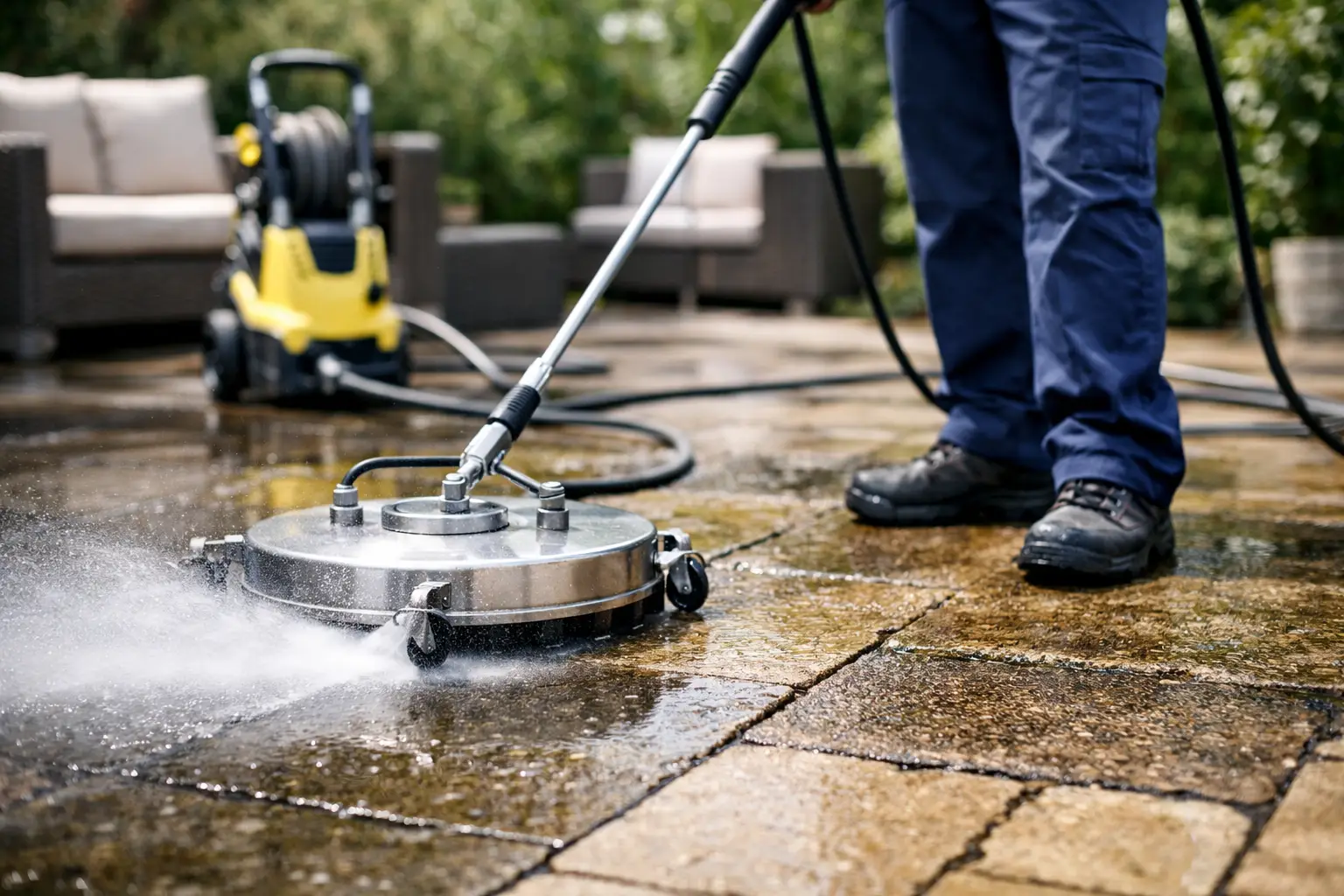
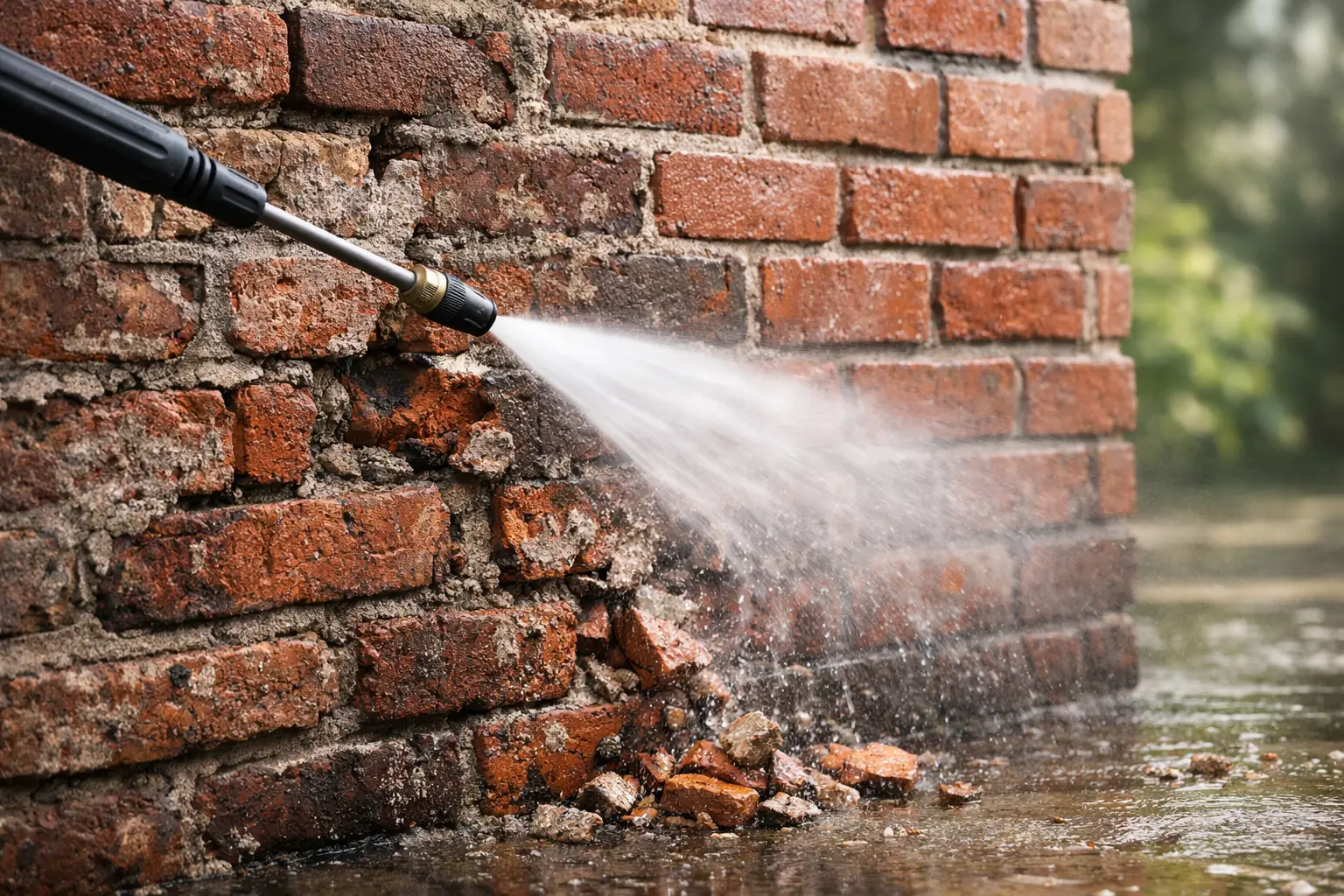
Too much pressure can force water behind trim, damage paint, scar softer materials, and drive moisture into places where it should not go. On older buildings, especially churches or historic properties, aggressive cleaning can create expensive problems fast. Even newer structures are not immune. Window seals, vents, decorative features, and caulking lines can all be compromised by an operator who treats the steeple like a flat concrete surface.
There is also the issue of access. Working at height without the proper equipment and safety planning is risky for both the crew and the property. A steeple often requires lift access, specialized tools, and a careful setup to reach detailed sections without causing accidental damage below.
How professional steeple cleaning is usually handled
Most steeple cleaning projects start with an inspection. That first look determines the surface type, the condition of the finish, the type of staining present, and the safest access strategy. It also helps identify issues that cleaning alone will not fix, such as failing paint, deteriorated sealant, corrosion, or water intrusion.
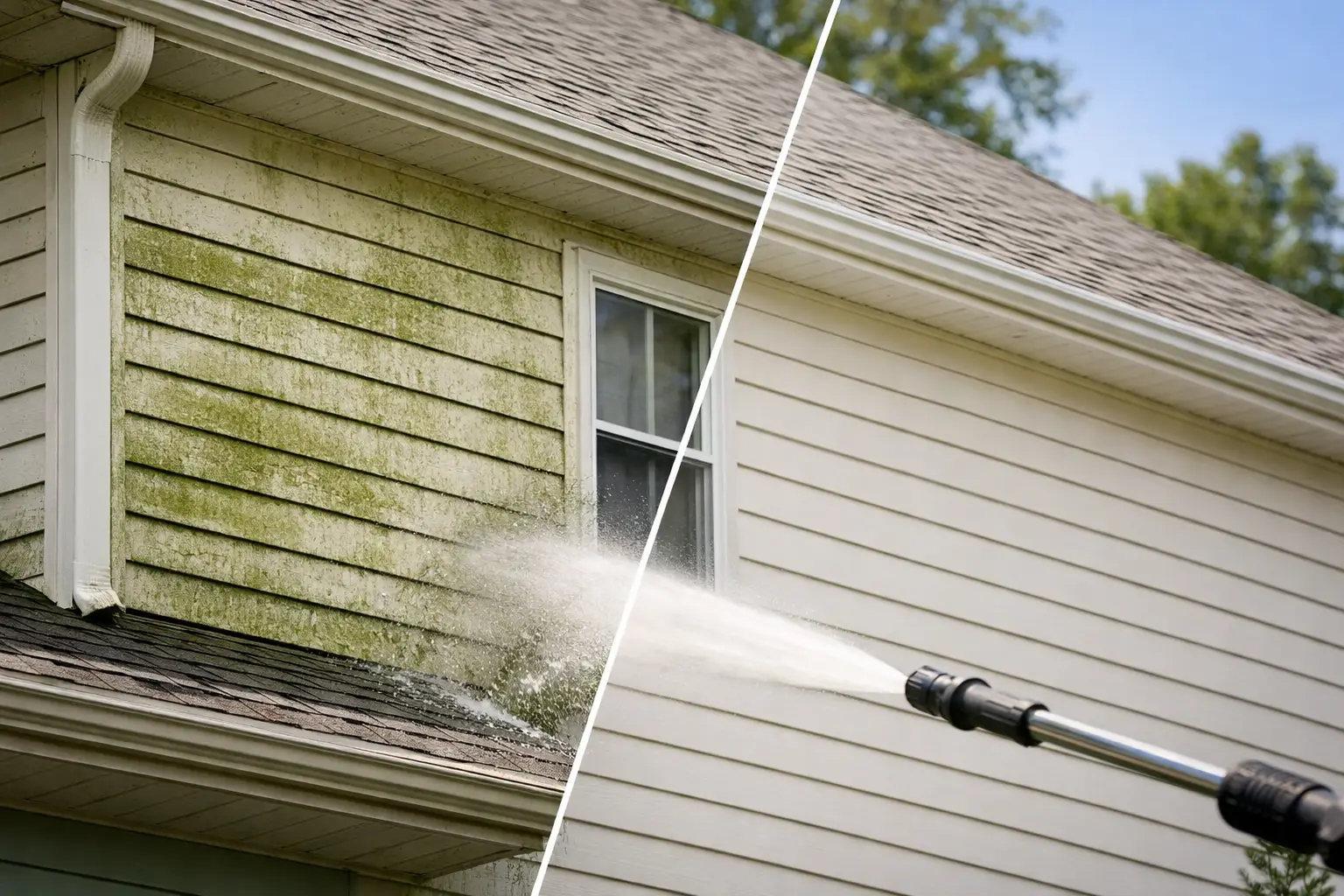
From there, the cleaning method is matched to the structure. In many cases, soft washing is the right approach. Soft washing uses specialized solutions and low-pressure application to break down algae, mildew, bacteria, and surface grime without the force associated with traditional pressure washing. For many painted and delicate steeple surfaces, this is the safer and more effective route.
That does not mean every steeple gets the exact same treatment. Some sections may need more detailed hand cleaning. Metal surfaces may require a different process than adjacent trim. If there are heavy stains, oxidation, or years of neglect, expectations need to be realistic. Cleaning can dramatically improve appearance, but if coatings are already failing, restoration may be the next step after cleaning.
When steeple cleaning is about more than appearance
A clean steeple looks better, but the practical value goes deeper than curb appeal. For churches, schools, and institutional buildings, the condition of the property sends a message about stewardship. For commercial buildings with decorative towers or cupolas, visible staining makes the site look less maintained even if everything at ground level is spotless.
There is also a maintenance advantage. Cleaning helps property owners see the true condition of the surface. Dirt hides a lot. Once the grime, mildew, and staining are removed, issues like cracked sealant, rusting fasteners, damaged trim, or coating failure become easier to spot and address early.
That early visibility matters. Small repairs at the top of a structure are rarely cheap, but they are usually much cheaper than waiting until moisture intrusion or material failure spreads.
Steeple cleaning Charlottesville churches and institutions should plan ahead for
Many steeples belong to churches, and those projects often need extra coordination. Access may affect parking lots, walkways, landscaping, or service schedules. There may be stained glass, memorial features, aging materials, or architectural details that require a more cautious process.
Charlottesville also has properties where age and character are part of the building’s identity. On those sites, cleaning is not about making the structure look artificially new. It is about removing damaging buildup while respecting the materials and the architecture. That balance matters. A fast, cheap cleaning that leaves scars, blown-out caulking, or damaged paint is no bargain.
For schools, event venues, and other public-facing facilities, timing is another factor. The best time to clean a steeple may depend on weather, occupancy, and whether surrounding surfaces are being cleaned at the same time. In many cases, it makes sense to coordinate steeple cleaning with broader building washing so the entire exterior presents consistently.
How often should a steeple be cleaned?
It depends on exposure, surrounding tree cover, moisture levels, and the material itself. A bright white steeple under heavy shade and humidity may show algae and staining much sooner than a darker or less exposed surface. Properties near busy roads may also collect more atmospheric grime.
As a general rule, waiting until the buildup is severe is not the most cost-effective approach. Routine maintenance cleaning is usually safer for the finish and easier on the budget than letting years of contamination accumulate. For some properties, that may mean a multi-year cycle. For others, annual or biannual inspections make more sense, especially if appearance is a high priority.
The right answer usually starts with an honest assessment. A contractor should be able to explain not just what they recommend, but why.
What to look for in a steeple cleaning contractor
Steeple work is not the place to shop for the lowest number and hope for the best. Property owners should be looking for a company that understands exterior surfaces, uses the right equipment for height and access, and can explain the cleaning method in plain language.
Ask how they plan to clean the surface. Ask whether high pressure is involved. Ask what precautions they take with painted finishes, trim, windows, and landscaping below. Ask whether they have experience with specialty structures or older buildings. Clear answers matter.
Communication matters too. Projects like this should not feel vague from the start. You want realistic expectations, scheduling clarity, and a crew that treats your property with the same care they would expect on their own facility. That is especially true when the structure is a church, historic site, or prominent commercial property where mistakes are highly visible.
Companies with deep exterior cleaning experience tend to approach these projects differently. They know that cleaning is not just about removing dirt. It is about protecting materials, managing risk, and giving the client a result that lasts. That is the standard Blue Ridge Exterior Cleaning believes in across specialized exterior work.
The real value of doing it right
A steeple is one of the most visible parts of a building and one of the easiest to ignore until the staining becomes impossible to miss. By then, the job is often harder, the finish may be more compromised, and the property has already spent too long projecting the wrong image.
Good steeple cleaning is careful work. It respects the surface, the structure, and the fact that not every stain should be attacked the same way. If your steeple has started to show algae, discoloration, or years of buildup, the right next step is not guesswork from the ground. It is a professional evaluation and a plan built around protecting the building for the long haul.