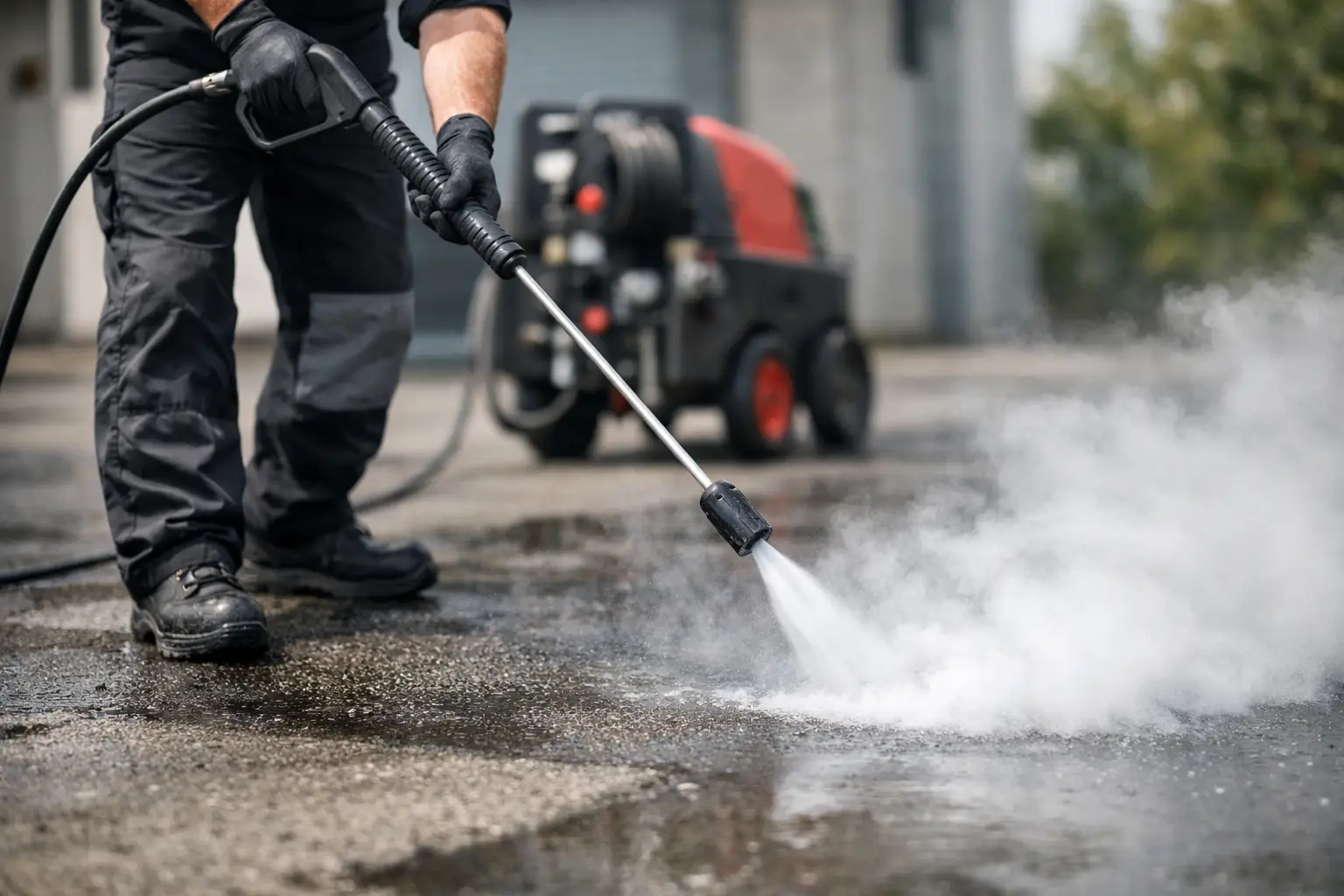
Oil-stained concrete, greasy dumpster pads, gum on sidewalks, and years of baked-on grime do not usually respond the same way as mildew on siding or pollen on a patio. That is where hot water pressure washing earns its keep. It is not the right answer for every exterior surface, but in the right setting it can clean faster, more thoroughly, and with better results than cold water alone.
For homeowners and property managers, the real question is not whether hot water sounds stronger. It is whether heat is the best tool for the material, the stain, and the level of buildup on your property. A good contractor knows the difference, and that distinction matters if you care about appearance, safety, and avoiding unnecessary surface damage.
What hot water pressure washing actually does
Hot water pressure washing combines pressurized water with heat to break down contaminants that are hard to remove with cold water alone. The biggest advantage is not just force. It is the way heat softens grease, oils, food residue, sticky organic matter, and compacted dirt so they release from the surface more efficiently.
That makes it especially useful on commercial concrete, restaurant service areas, heavy-use walkways, loading zones, shop floors, and other places where buildup is more than simple dust or algae. In residential settings, it can also be the right fit for certain driveways, garage floors, hardscapes, and problem areas where standard washing leaves behind stubborn residue.
Think of the difference between rinsing a greasy pan with cold water versus hot water. Pressure adds power, but heat changes how the mess reacts. That is why hot water often cleans deeper and faster when oil or sticky grime is involved.
Where hot water pressure washing works best
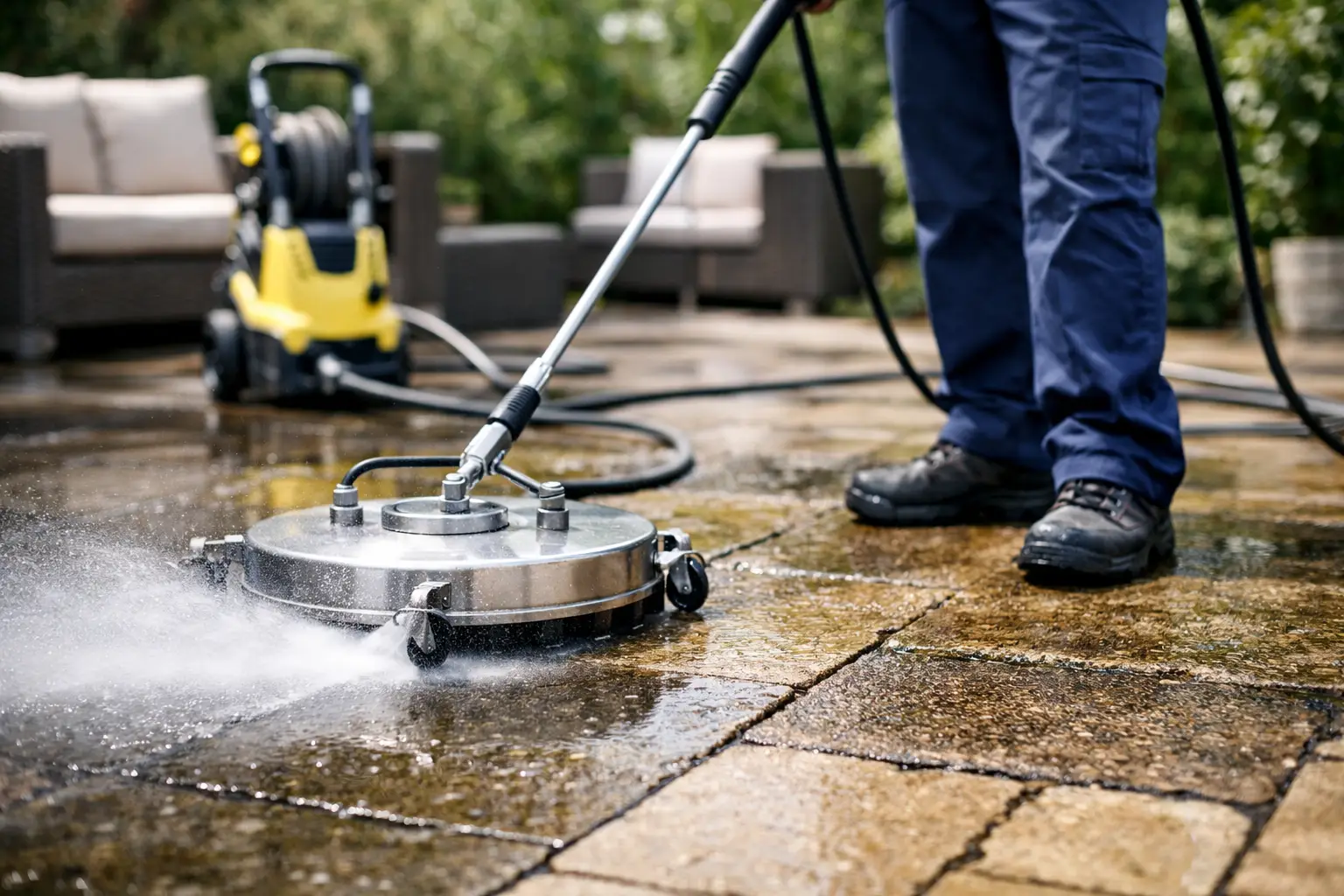
Not every surface needs heat, but some surfaces benefit from it immediately. Concrete is one of the clearest examples. Gas stations, garages, dumpster enclosures, restaurant pads, and commercial entryways often hold onto oil, grease, and blackened traffic staining that cold water struggles to cut through.
Playgrounds, pool decks, and public-use areas can also benefit when there is a mix of dirt, body oils, food residue, and organic buildup. Heat can help clean these surfaces more completely, which is useful when appearance and sanitation both matter.
For some residential properties, hot water makes sense on stained driveways, workshop slabs, heavily used patios, and areas where vehicles have leaked fluids over time. It can also be effective in targeted restoration work where a surface needs more than a cosmetic rinse.
Commercial properties usually see the strongest case for hot water because the buildup is heavier and the expectations are higher. If customers walk across it, employees work around it, or health and appearance are part of the job, better cleaning results are not a luxury. They are part of property maintenance.
When hot water is better than cold water
The simplest answer is this – hot water is better when the contamination is oily, greasy, sticky, or deeply embedded. Cold water pressure washing can remove a lot, especially when paired with the right detergents and technique. But there are situations where cold water means more time, more chemical reliance, and less complete results.
Heat helps loosen substances that bond tightly to porous surfaces. It can reduce the need for aggressive treatment in some cases and improve overall cleaning efficiency. That matters on larger jobs where speed and consistency count, but it also matters on smaller jobs where you want the surface actually cleaned, not just made to look a little better from the street.
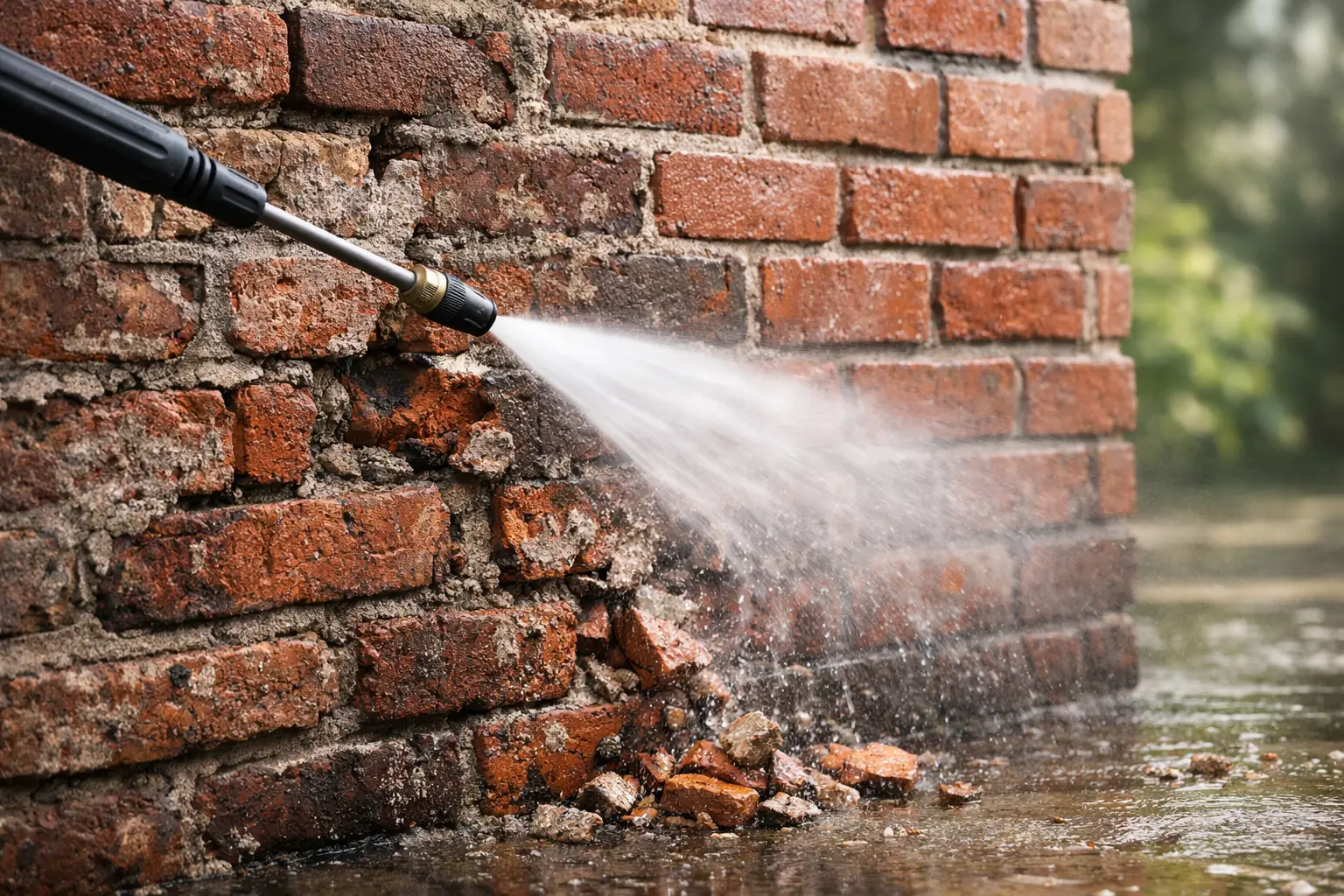
That said, hotter is not always better. The right temperature depends on the surface. Too much heat in the wrong place can create problems, especially on delicate materials, painted finishes, some sealants, older masonry, or surfaces that should be soft washed instead. Good exterior cleaning is not about using the most force or the most heat possible. It is about matching the process to the material.
Why the process matters more than the machine
A lot of people hear hot water pressure washing and assume the machine does the work. It does not. Equipment matters, but operator judgment matters more.
The cleaning result depends on water temperature, pressure level, flow rate, nozzle selection, dwell time, detergents when needed, and how the surface is rinsed and recovered. A technician has to know when to use heat, when to reduce pressure, and when to avoid direct pressure washing entirely.
For example, concrete can often handle a more aggressive approach than wood or painted trim. Historic brick may need a far more controlled process than modern hardscape. A winery, storefront, or residential entry area may have drainage, staining, or foot-traffic concerns that change the cleaning plan. These are not small details. They are the difference between a clean surface and an avoidable repair bill.
That is one reason experienced contractors do not treat every job the same. They inspect the material, identify the staining, and choose the safest effective method. Sometimes that method includes heat. Sometimes it does not.
Common situations where property owners make the wrong call
One of the most common mistakes is assuming pressure alone will solve the problem. If a driveway has oil staining, blasting it harder with cold water may not remove much at all. It can waste time and still leave visible discoloration.
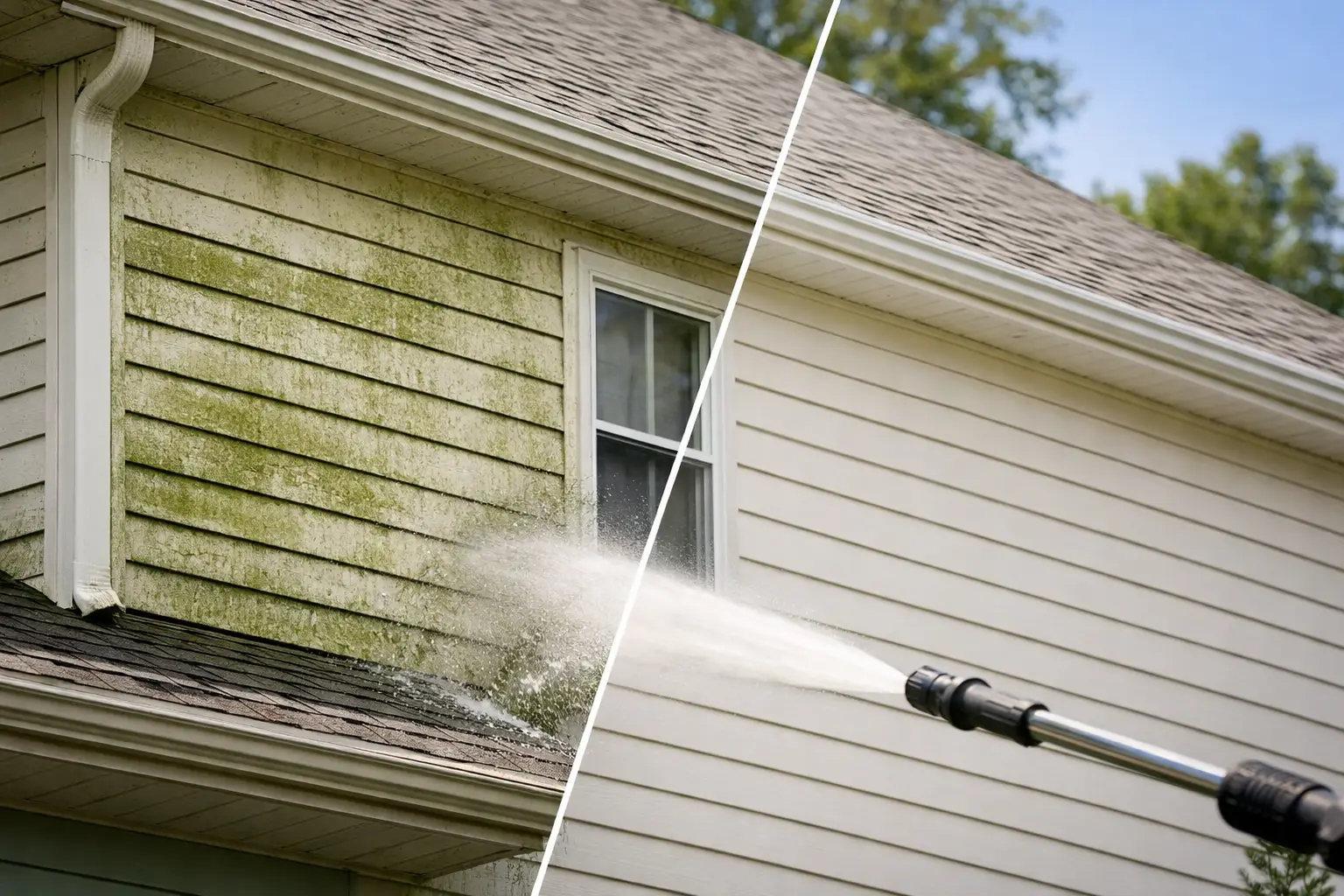
Another mistake is using hot water where a gentler process is needed. Siding, roofing, painted wood, and other sensitive surfaces often require soft washing rather than high-pressure cleaning. Heat does not change that. If anything, it raises the need for proper judgment.
There is also the issue of expectations. Some stains can be improved dramatically but not erased completely, especially if they have had years to set into porous concrete. Professional cleaning can still make a major difference, but honest contractors will tell you when a stain is likely to lighten rather than disappear.
That kind of clarity matters. Property owners are usually not looking for sales talk. They want a straight answer about what can be cleaned, what process is appropriate, and what result is realistic.
Benefits beyond appearance
The visual improvement is obvious, but appearance is only part of the value. On commercial sites, cleaner concrete and service areas support a more professional image. On residential properties, they improve curb appeal and help keep the home from looking neglected.
There is also a safety component. Grease, algae, food residue, and compacted grime can make walkways slick. Cleaner surfaces can reduce slip hazards, especially in high-traffic areas or shaded spots where buildup lingers.
Long-term maintenance matters too. Letting contaminants sit on exterior surfaces often makes future cleaning harder and may shorten the usable life of the material. Regular professional cleaning helps preserve surfaces and can delay more expensive restoration work.
For businesses, that can mean fewer complaints and a better first impression. For homeowners, it can mean protecting hardscapes, reducing staining, and keeping outdoor spaces more usable.
Choosing a contractor for hot water pressure washing
If you are comparing service providers, do not stop at whether they own a hot water unit. Ask where they use it, what surfaces they avoid, and how they decide between hot water pressure washing, standard pressure washing, and soft washing.
A qualified contractor should be able to explain the why behind the recommendation. They should talk about surface type, stain type, risk management, and expected results. They should also be responsive and clear in communication, because exterior cleaning is not just about equipment. It is about trust.
In Central Virginia, properties range from newer residential neighborhoods to historic homes, wineries, commercial storefronts, and facilities with specialized cleaning needs. That variety calls for experience, not guesswork. Blue Ridge Exterior Cleaning approaches these jobs with the understanding that the right method protects the property while delivering a better result.
Price-only shopping can be expensive in the long run if the wrong process is used. A cheaper wash that leaves grease behind, damages a surface, or creates uneven results is not really a savings.
Is hot water pressure washing right for your property?
It depends on what you are trying to remove and what you are trying to protect. If the issue is grease, oil, heavy traffic film, sticky residue, or deeply embedded grime on a durable hard surface, hot water may be the smartest option. If the surface is delicate or the contamination is organic growth on siding or roofing, another method may be safer and more effective.
The best exterior cleaning plans are built around the surface, not around a one-size-fits-all sales pitch. That is what property owners should expect from a professional. If a contractor can explain the method in plain terms and back it with real experience, you are far more likely to get results that last.
A clean surface should do more than look better for a day. It should support the life of the property, the safety of the space, and the standard you want people to see when they pull in, walk up, or step inside.