Pressure Washing Patios in Sherando, VA

Your Patio Deserves Better Than Buildup

Professional pressure washing that removes years of dirt, stains, and grime—restoring your outdoor space to like-new condition.
Hear from Our Customers
Professional Patio Cleaning Sherando

Clean Patios That Actually Stay Clean

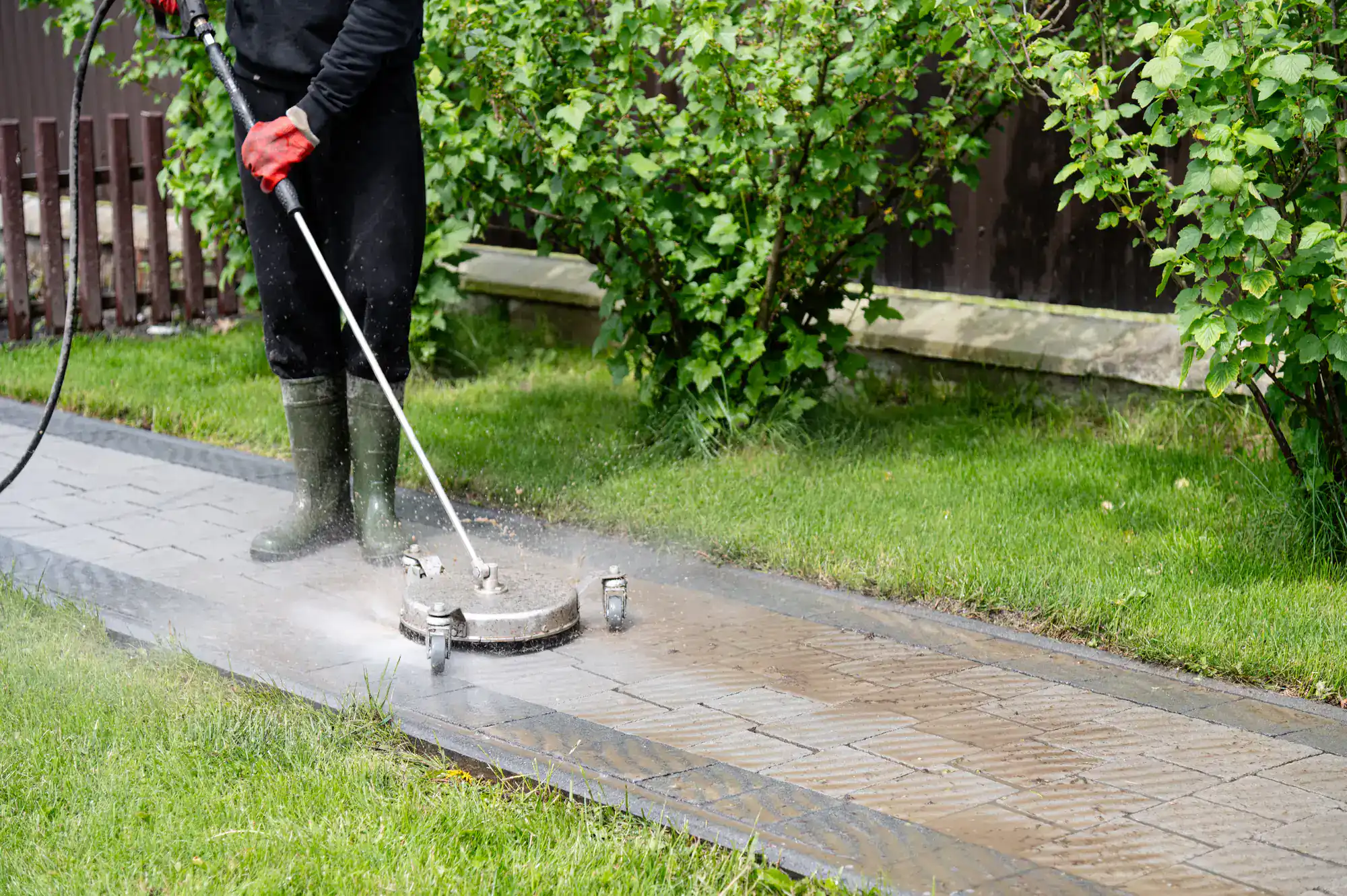
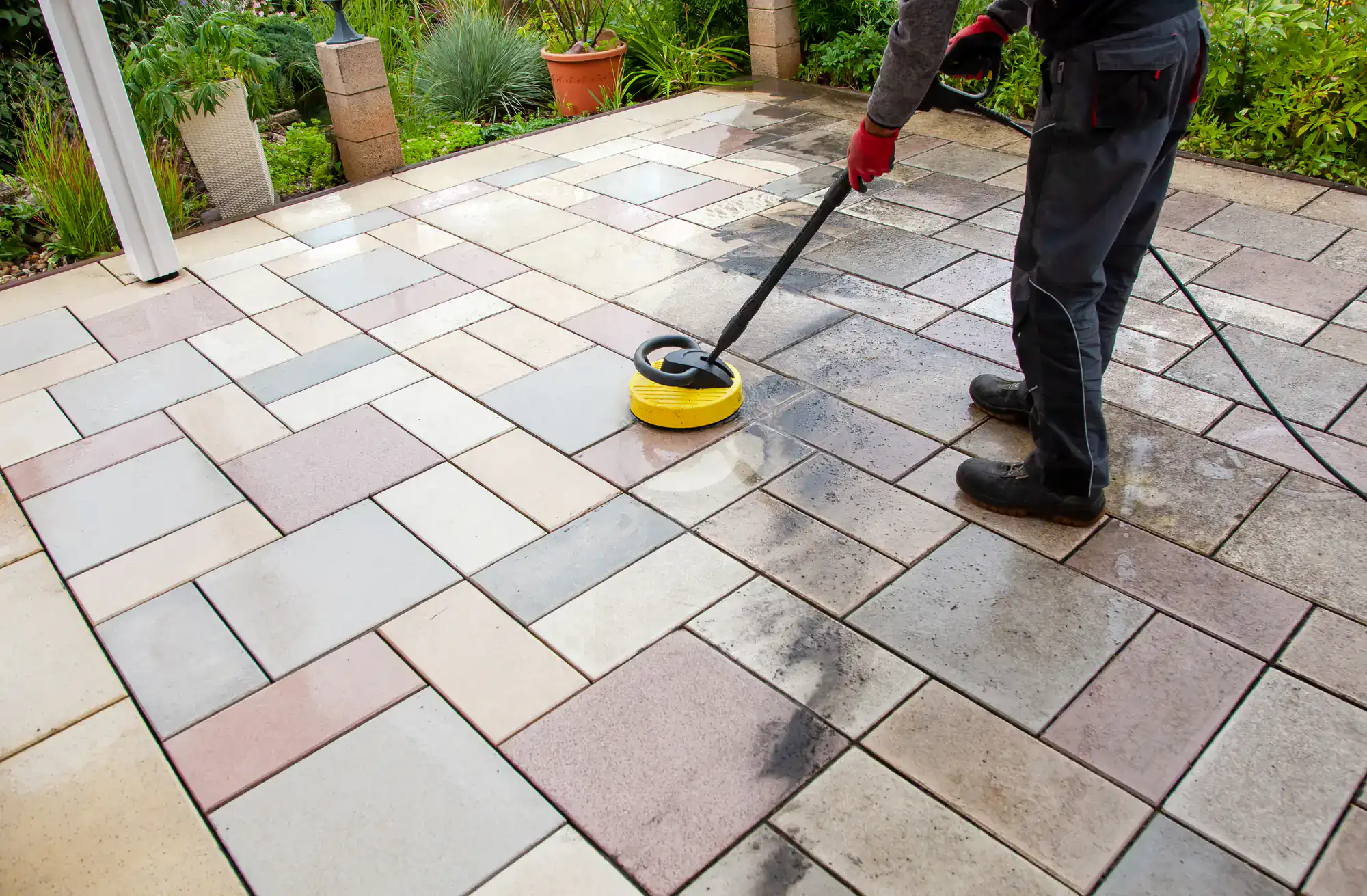
Your patio doesn’t have to look tired and stained. Professional pressure washing removes the dirt, mold, and grime that regular hoses can’t touch—the buildup that settles deep into concrete pores and cracks.

You get more than surface cleaning. The right pressure, temperature, and technique mean your patio stays cleaner longer, without the streaks or damage that come with DIY attempts.

When the job’s done right, you’re not just looking at clean concrete. You’re looking at an outdoor space that feels inviting again—somewhere you actually want to spend time.

Sherando Exterior Cleaning Experts

15+ Years of Getting It Right

We’ve been serving Sherando and Central Virginia for over three decades. We’ve built our reputation on old-fashioned values: answer the phone when you call, show up when promised, and do the work right the first time.

We understand Virginia weather. We know how winter freeze-thaw cycles crack concrete, how spring rains create perfect conditions for mold, and how summer heat bakes stains into porous surfaces.

Every job gets the same attention—whether it’s a small residential patio or a complex commercial project. We’re certified by industry leaders and use proven methods that protect your investment while delivering results you can see.
Patio Pressure Washing Process

No Surprises, Just Results

The process starts with assessment. Different stains need different approaches—oil requires one method, mold another, rust something else entirely. We identify what we’re dealing with before any equipment comes out.

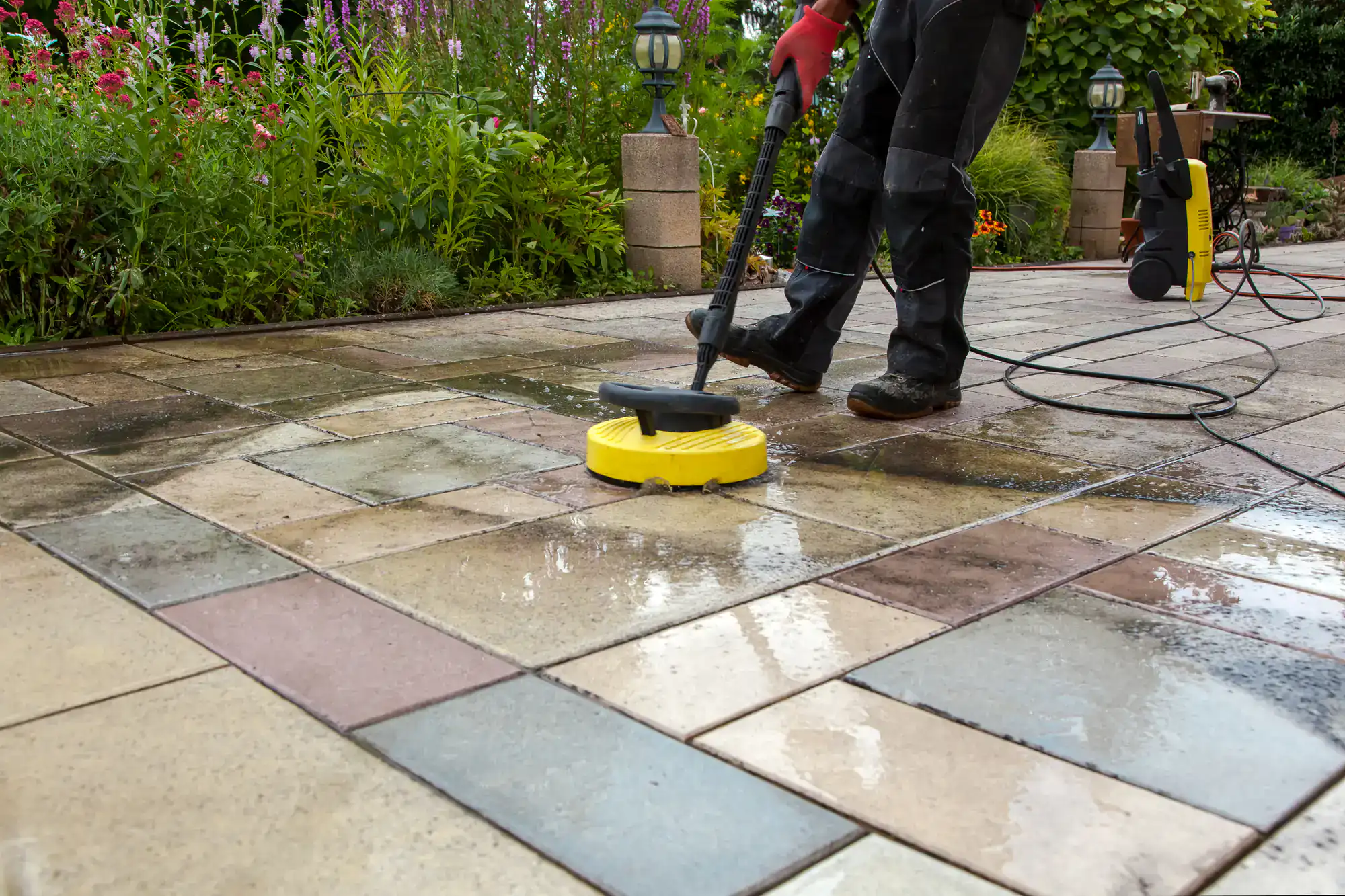
Pre-treatment comes next. Specialized solutions break down the toughest buildup, reaching into concrete pores where standard cleaning can’t go. This step makes the difference between surface cleaning and deep restoration.

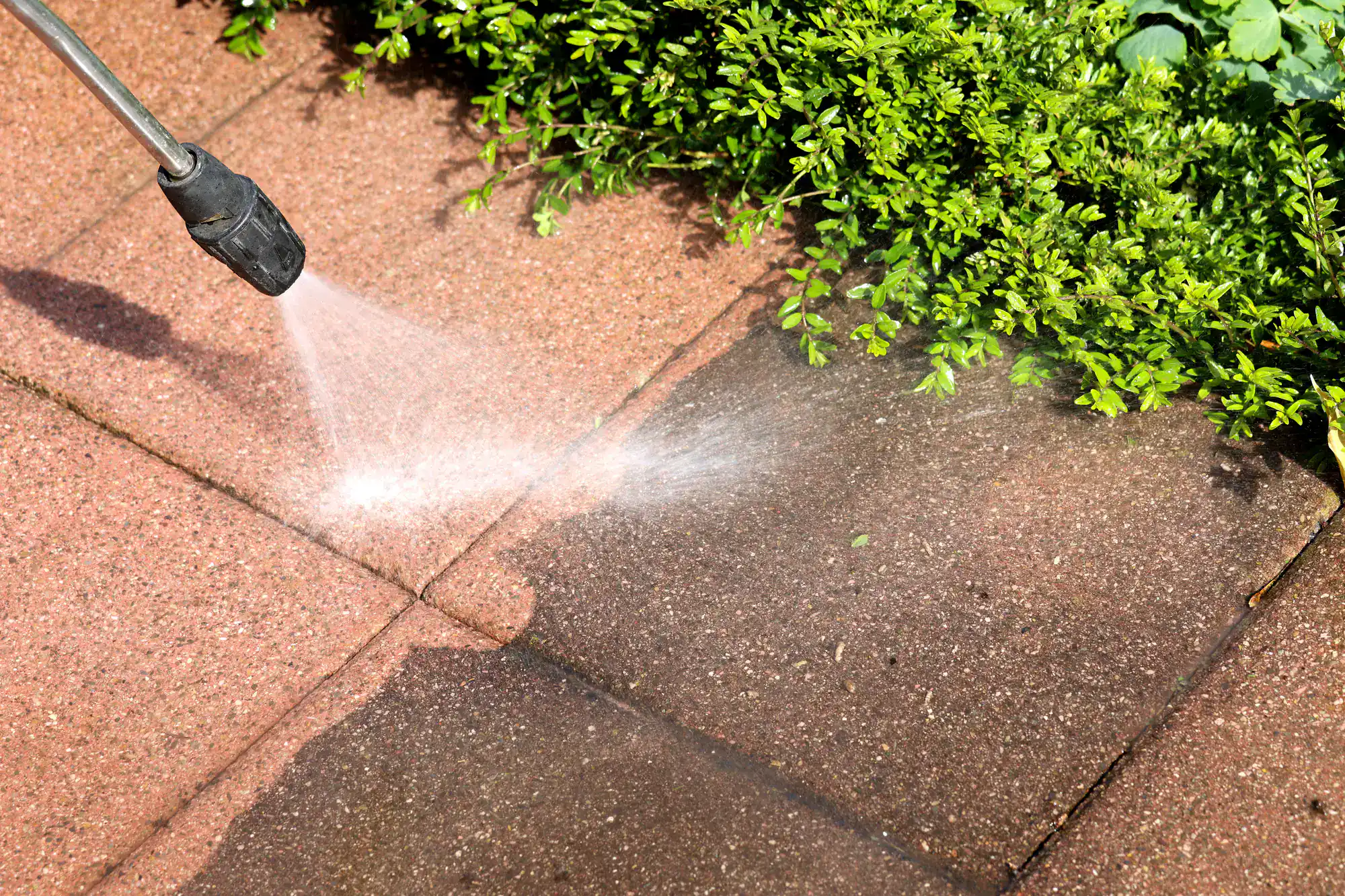
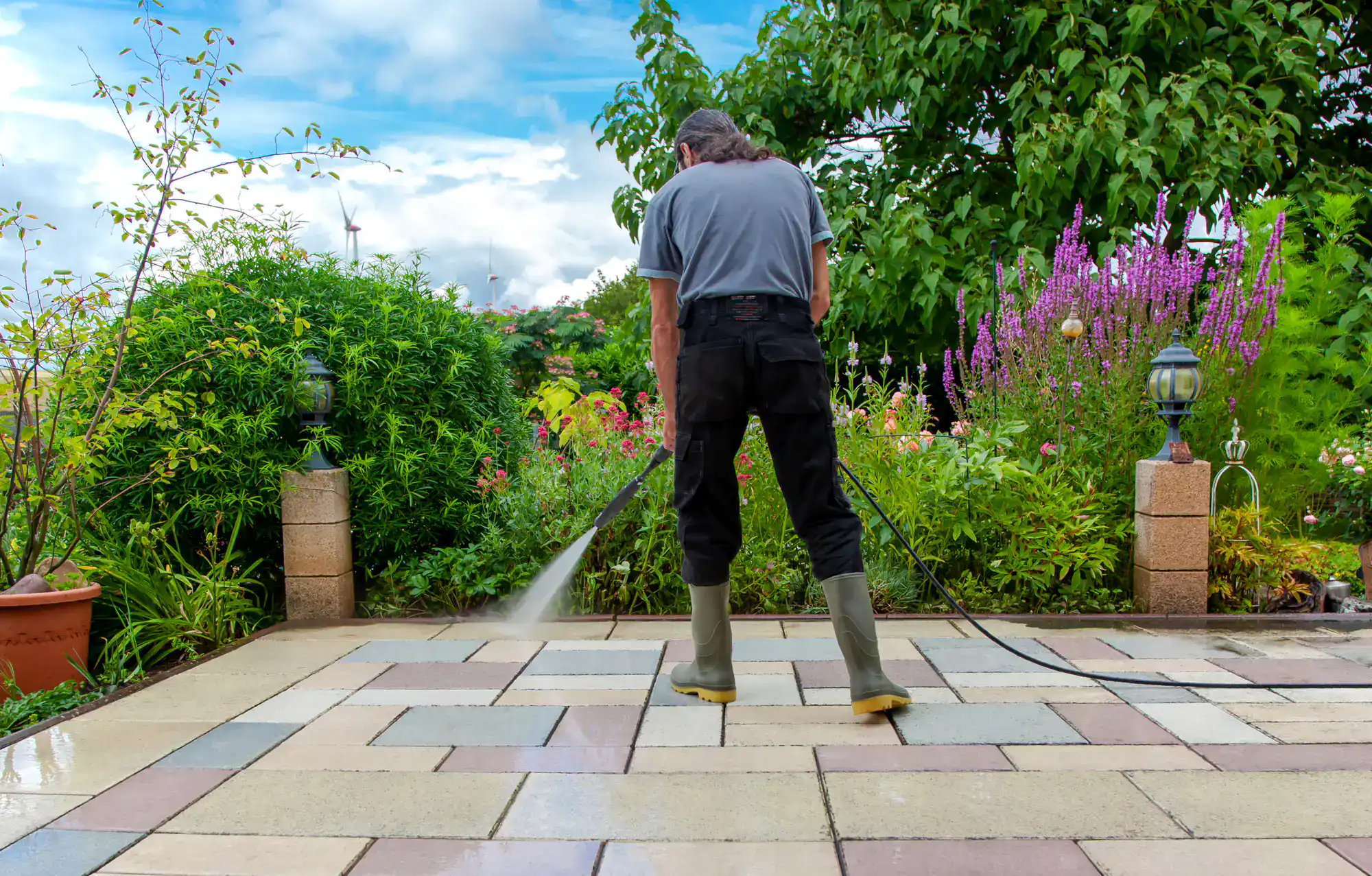
The actual pressure washing uses precise pressure settings and water temperature. Too much pressure damages concrete; too little leaves stains behind. Hot water handles grease and oil that cold water can’t touch. The final step includes protective treatment when needed, helping your patio resist future staining and weather damage.
Ready to get started?

Explore More Services

About Blue Ridge Exterior Cleaning

Get a Free Consultation

Concrete Patio Cleaning Services

What Your Patio Cleaning Includes

Every patio cleaning covers complete surface restoration. That means removing dirt, grime, oil stains, rust stains, mold, mildew, and algae. We handle concrete, brick, stone, and paver surfaces with methods specific to each material.

Sherando’s climate creates specific challenges. Spring brings pollen that sticks to damp surfaces. Summer storms leave behind debris and standing water. Fall means leaves and organic matter that can stain concrete permanently if left untreated. Winter freeze-thaw cycles create cracks where new problems start.

The service includes proper drainage considerations—important in an area where heavy rains are common. Water needs somewhere to go, and proper technique prevents pooling that leads to future staining. You also get guidance on maintenance timing, because Virginia’s seasons dictate when cleaning delivers the best long-term results.
How often should I pressure wash my concrete patio in Sherando?

Most Sherando homeowners benefit from annual patio cleaning, typically in spring before heavy use season begins. Virginia’s climate creates specific timing considerations—spring cleaning removes winter damage and pollen buildup, while fall cleaning can prevent organic staining from leaves and debris. Properties with heavy shade, nearby trees, or north-facing patios may need cleaning twice yearly due to increased mold and mildew growth. High-traffic patios or those used for grilling might require more frequent attention to prevent oil and grease stains from setting permanently. The key is addressing problems before they become permanent. Fresh stains come out easily; set-in stains require aggressive treatment that can be harder on concrete surfaces.
Improper pressure washing absolutely can damage concrete, but professional cleaning with correct techniques protects your surfaces. The main risks come from excessive pressure, wrong spray angles, and inappropriate cleaning solutions. Concrete age matters significantly. Newer concrete (less than one year) requires gentler pressure and specific techniques. Older concrete may have surface deterioration that needs different handling. Decorative concrete, stamped surfaces, and sealed patios each require specialized approaches. Professional equipment allows precise pressure control and proper water temperature. Hot water removes grease and oil stains that would otherwise require harsh chemicals or damaging high pressure. The right technique actually extends concrete life by removing contaminants that cause long-term damage.
Professional pressure washing removes most common patio stains: dirt and grime buildup, oil and grease spots, rust stains from metal furniture, mold and mildew growth, algae discoloration, and organic stains from leaves or food spills. Some stains require specific treatment methods. Oil stains need hot water and degreasing agents. Rust stains may require acid-based solutions. Mold and mildew respond to antimicrobial treatments. Paint stains, depending on age and type, might come out with proper solvents and technique. Permanent staining can occur when contaminants penetrate deeply into unsealed concrete over extended periods. Even then, professional cleaning often improves appearance significantly, though complete removal isn’t always possible. This is why addressing stains promptly prevents permanent damage.
Professional pressure washing can be environmentally responsible when done correctly. The process primarily uses water pressure rather than harsh chemicals, and biodegradable cleaning solutions are available for stains that require chemical treatment. Proper technique includes protecting nearby plants and directing runoff appropriately. Pre-watering plants dilutes any cleaning solution contact, and tarps or barriers protect sensitive vegetation. Professional equipment allows controlled water flow that prevents soil erosion around planted areas. The environmental impact is generally minimal compared to replacing stained concrete or using harsh DIY chemicals repeatedly. Professional cleaning removes contaminants that would otherwise wash into soil and groundwater over time, particularly oil and grease that can harm plant roots.
Most residential patios take 2-4 hours to clean thoroughly, depending on size, stain severity, and surface type. This includes setup, pre-treatment time, actual cleaning, and final inspection. Larger patios or those requiring extensive stain treatment may take longer. Drying time varies with weather conditions, surface texture, and drainage. Smooth concrete typically dries within 2-4 hours in good conditions. Textured surfaces or areas with poor drainage may need 6-8 hours. High humidity or cool temperatures extend drying time. You can walk on cleaned surfaces once they’re dry to the touch, but avoid heavy furniture placement for 24 hours. This allows complete moisture evaporation and prevents new staining from furniture legs or bases that might leave marks on freshly cleaned concrete.
Pressure washing uses high-pressure water to remove dirt, stains, and buildup through mechanical force. It’s effective for concrete patios, driveways, and hard surfaces that can handle the pressure. The process relies primarily on water force with minimal chemical use. Soft washing uses low-pressure water combined with specialized cleaning solutions to break down contaminants chemically rather than mechanically. This method works better for delicate surfaces, painted concrete, or areas where high pressure might cause damage. For most concrete patios, pressure washing delivers superior results because it removes embedded dirt and stains that soft washing can’t reach. However, decorative concrete, aged surfaces, or patios with existing damage may benefit from soft washing techniques to prevent further deterioration while still achieving thorough cleaning.