Deck Cleaning in Linville, VA

Your Deck Deserves Better Than Mold

Professional deck cleaning that stops damage before it starts and brings back the beauty you remember.
Hear from Our Customers
Professional Deck Cleaning Services Linville

What Clean Actually Looks Like

Your deck isn’t just dirty—it’s under attack. Virginia’s humid summers and unpredictable weather create perfect conditions for mold, mildew, and algae to take hold. These aren’t just cosmetic problems.

They’re eating your deck from the inside out. Every day you wait, the damage goes deeper into the wood fibers. What starts as surface stains becomes structural rot that costs thousands to replace.

Professional deck cleaning doesn’t just remove what you can see. It eliminates the organisms that cause long-term damage, restores the wood’s natural beauty, and prepares the surface for proper protection. You get a deck that’s not only safe to walk on but actually built to last.

Linville Pressure Washing Company

Three Decades of Getting It Right

Blue Ridge Exterior Cleaning has been serving Linville and the Shenandoah Valley for over 15 Years. We understand what Virginia weather does to outdoor surfaces because we’ve been fighting it longer than most companies have existed.

Our team holds certifications from Spray Wash Pro, Spray Wash Academy, and the National Soft Wash Alliance. But credentials only matter if you use them right. When you call, you get a real person who knows your neighborhood’s specific challenges.

This isn’t a corporate franchise following scripts. We’re a local business built on the simple idea that quality work speaks louder than cheap prices. We’ve developed specialized techniques, including our innovative cork-safe cleaning process for area wineries, because every surface deserves the right approach.
Deck Cleaning Process Linville VA

The Right Way Takes More Time

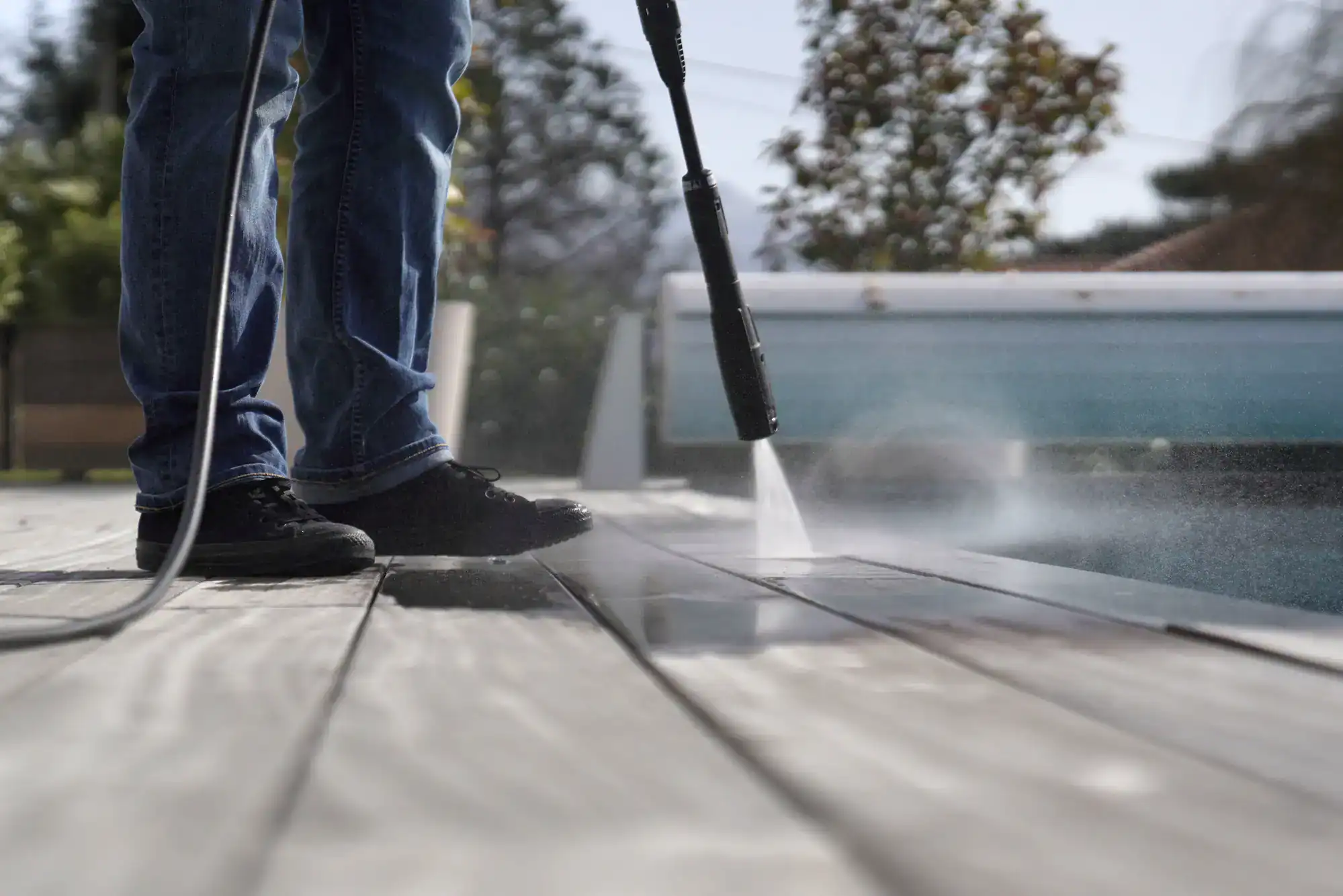
Real deck cleaning starts with understanding what you’re dealing with. We evaluate your deck’s material, condition, and the specific problems affecting it. Wood requires different techniques than composite, and mold needs different treatment than general dirt.

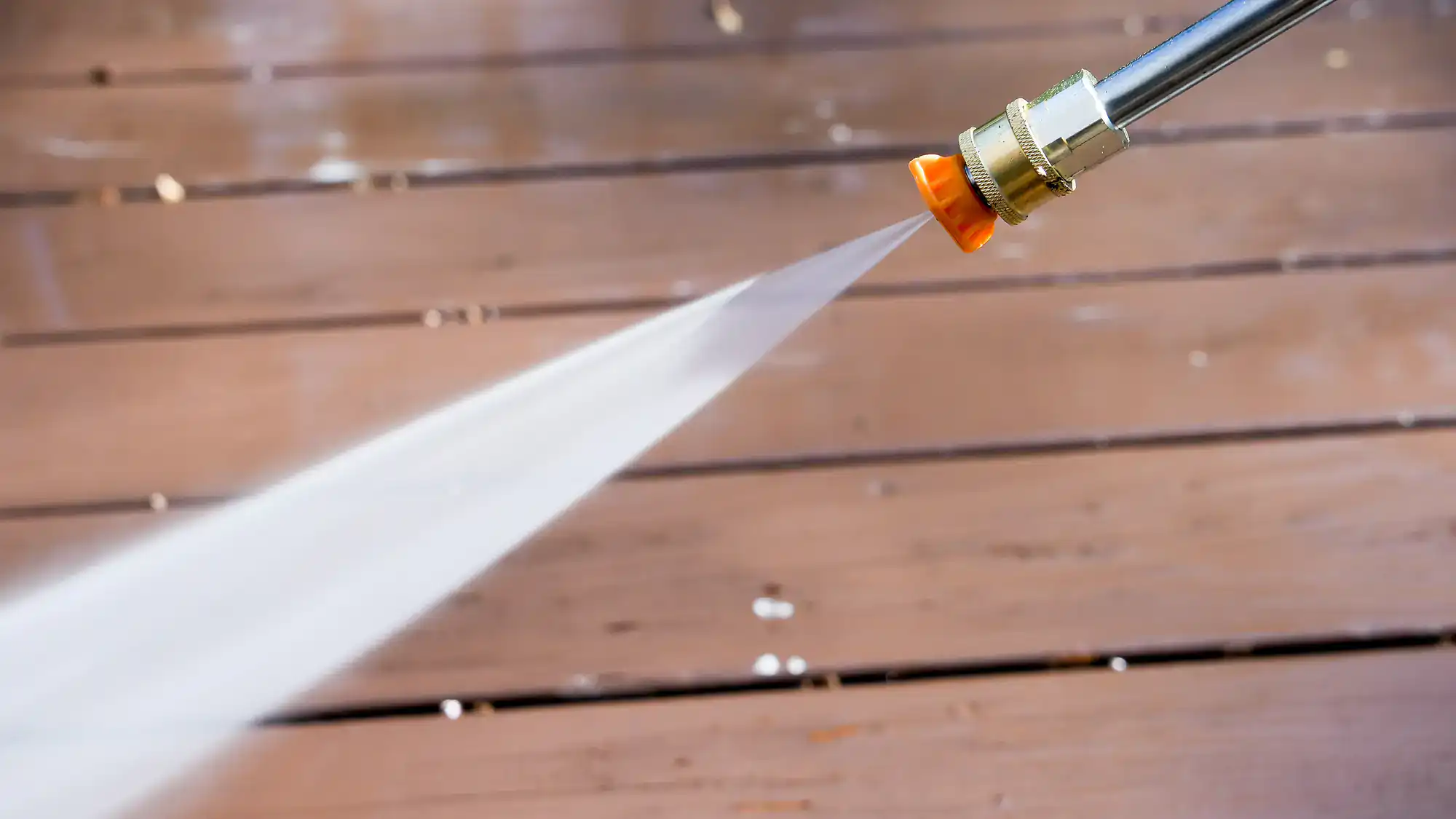
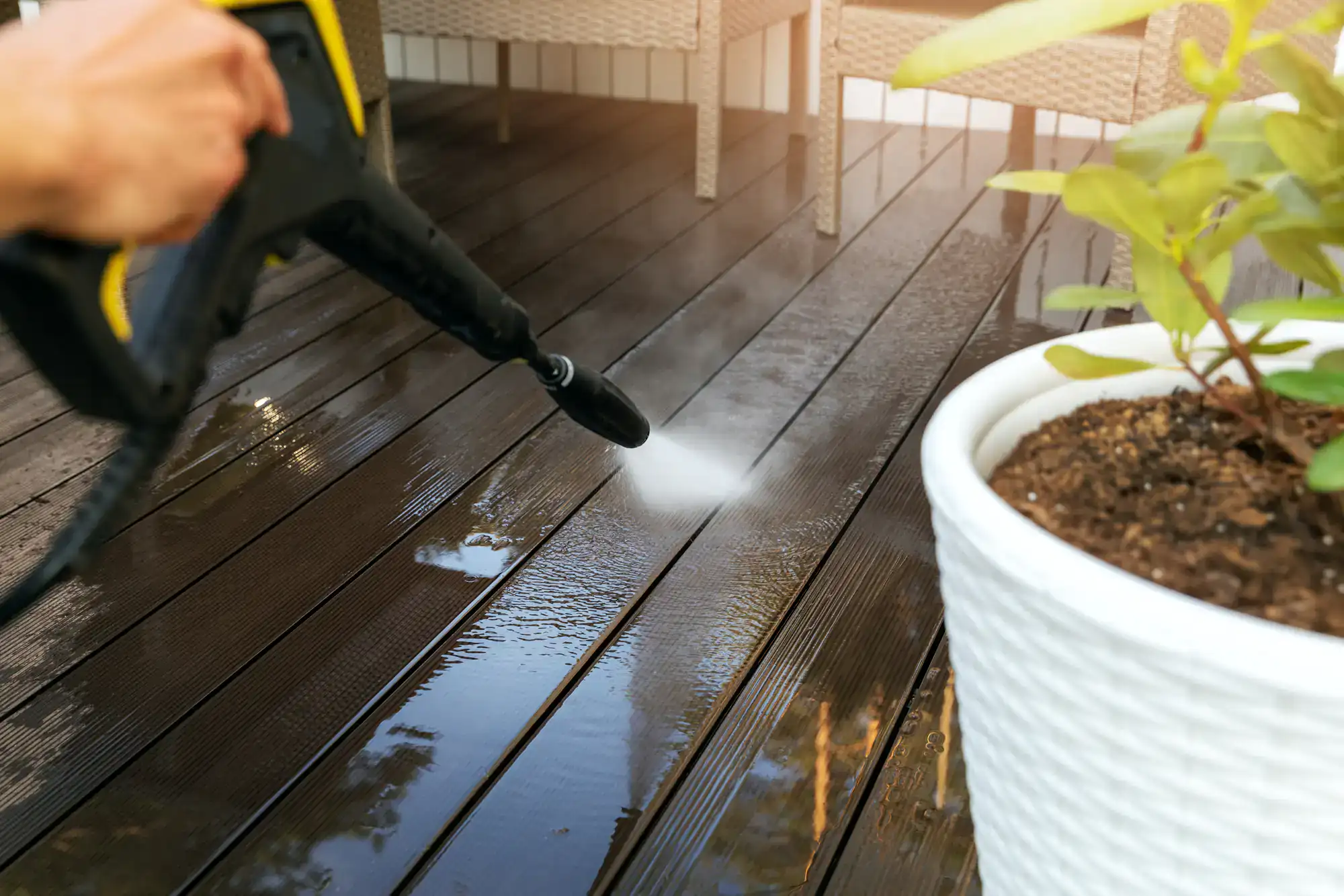
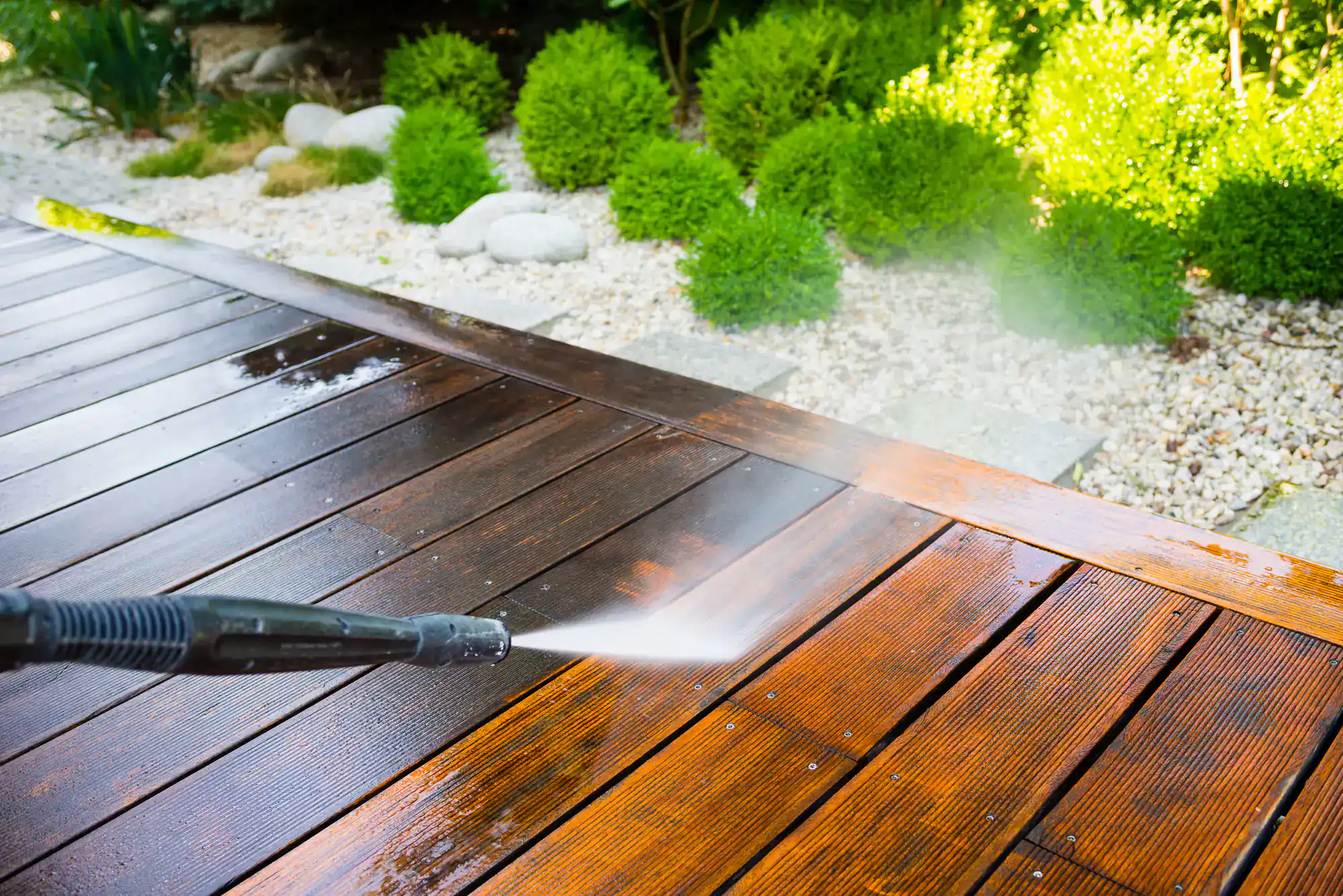
We pre-treat problem areas with professional-grade solutions designed to break down organic growth at the source. This isn’t about blasting everything with high pressure—that just drives contaminants deeper into the wood. The cleaning solutions do the heavy lifting while controlled pressure removes what’s loosened.

After cleaning, we inspect the results and address any remaining issues. The surface is then properly prepared for sealing or staining if that’s part of your plan. You’re left with a deck that’s not just clean, but actually protected against future problems. The whole process typically takes a full day, because rushing leads to shortcuts you’ll pay for later.
Ready to get started?

Explore More Services

About Blue Ridge Exterior Cleaning

Get a Free Consultation

Deck Stain Removal Linville

More Than Just Pressure and Hope

Professional deck cleaning in Linville means dealing with Virginia’s specific challenges. The area’s humid summers and temperature swings create ideal conditions for mold and mildew growth. Regular homeowner pressure washers simply don’t have the water volume or specialized attachments needed for effective cleaning.

We use commercial-grade equipment that delivers 7-9 gallons per minute—nearly double what consumer units manage. We carry our own water supply to ensure consistent pressure and flow, regardless of your home’s water system limitations.

Our service includes mold and mildew removal, stain treatment, and surface preparation for future protection. We use eco-friendly cleaning solutions that are tough on contaminants but safe for your landscaping and family. Each job is customized based on your deck’s material, age, and condition. You’re not getting a one-size-fits-all approach—you’re getting the specific treatment your deck needs to last.
How often should I have my deck professionally cleaned in Virginia?

Most Virginia decks need professional cleaning annually due to our humid climate and seasonal weather changes. However, decks with heavy tree coverage or those in particularly shaded, moisture-prone areas may benefit from cleaning every 8-10 months. The key is staying ahead of mold and mildew growth. Once these organisms establish themselves deep in the wood fibers, cleaning becomes more intensive and expensive. Annual maintenance prevents this buildup and keeps your deck in optimal condition. If you notice green or black staining, slippery surfaces when wet, or a musty smell, don’t wait for your annual cleaning. These are signs that organic growth is already taking hold and needs immediate attention.
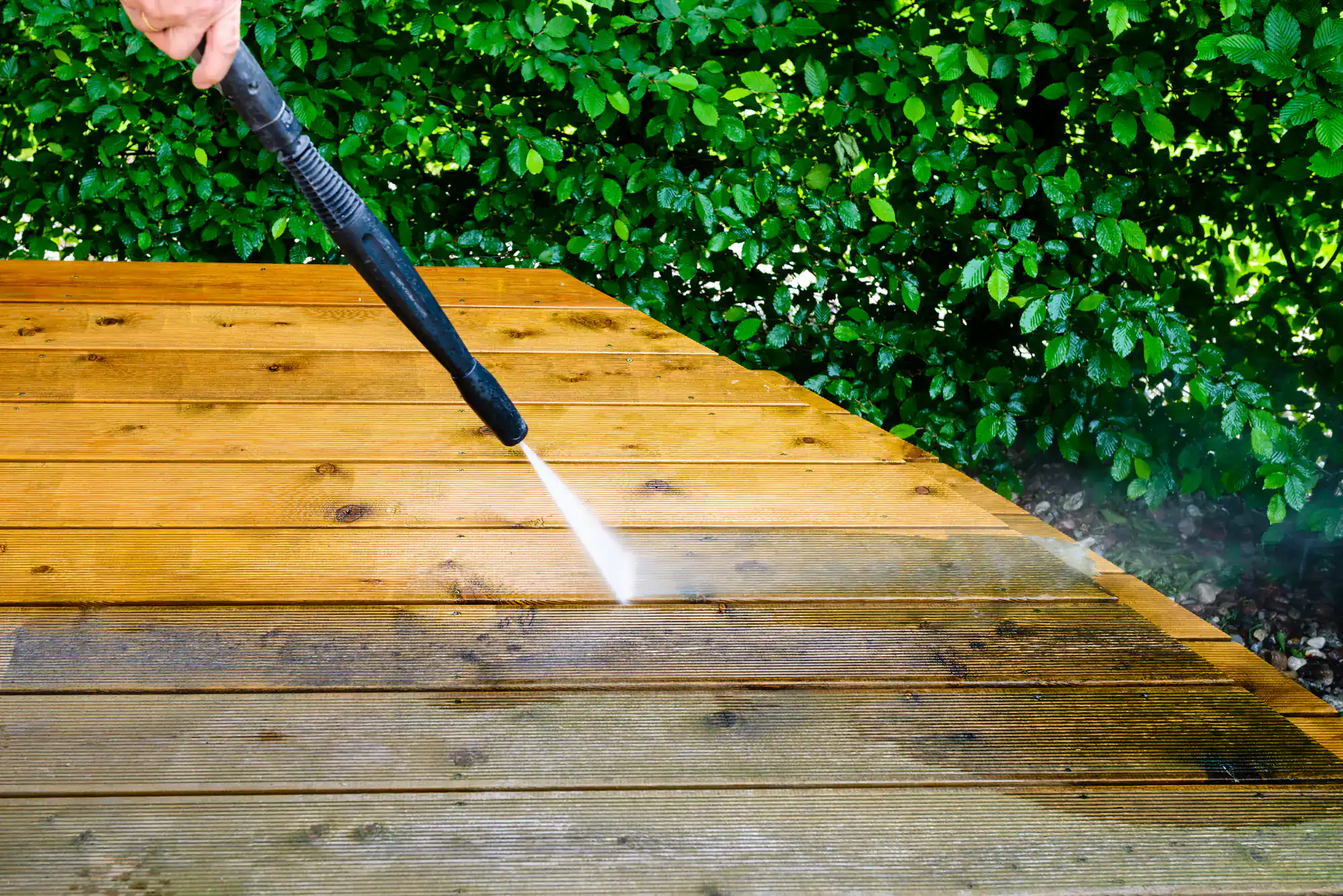
Improper pressure washing absolutely can damage wood decking, which is why technique and equipment matter so much. Consumer-grade pressure washers often rely on excessive pressure to compensate for low water volume, which can gouge wood fibers and drive contaminants deeper into the surface. Professional deck cleaning uses controlled pressure combined with high water volume and specialized cleaning solutions. The chemicals do most of the work breaking down mold, mildew, and stains, while the water pressure removes what’s been loosened—not blast everything with brute force. Different wood types require different approaches. Softwoods like pine need gentler treatment than hardwoods like oak. We evaluate your specific decking material and adjust pressure, nozzle selection, and technique accordingly. The goal is thorough cleaning without surface damage.
Yes, removing old, failing deck stains is actually one of the most important aspects of proper deck maintenance. Old stain that’s peeling, fading, or allowing moisture penetration needs to be completely removed before applying new protection. The process involves specialized stripping solutions that break down the old stain’s bond with the wood, followed by controlled pressure washing to remove the loosened material. This is more complex than basic cleaning because you’re dealing with chemical bonds, not just surface dirt. After stripping, the wood often needs brightening to restore its natural pH balance and open the grain for optimal stain absorption. Skipping these steps or doing them incorrectly results in new stain that fails prematurely. Proper preparation is what separates a staining job that lasts two years from one that lasts seven.
Soft washing uses low pressure (under 500 PSI) combined with specialized cleaning chemicals to remove organic growth like mold, mildew, and algae. It’s gentler on surfaces but relies heavily on chemical action rather than mechanical force. Pressure washing uses higher pressure (typically 1,500-3,000 PSI for decks) with less reliance on chemicals. It’s more effective for removing embedded dirt, old stains, and surface preparation for refinishing. The best approach often combines both techniques. Soft washing eliminates organic growth without surface damage, while controlled pressure washing removes stubborn stains and prepares the wood properly. We assess your deck’s condition and use the appropriate method for each area, not a one-size-fits-all approach.
Your deck must be completely dry before staining—not just surface dry, but thoroughly dried throughout the wood fibers. In Virginia’s humid climate, this typically takes 48-72 hours minimum, but can take longer depending on weather conditions and wood type. The wood’s moisture content should be below 15% for optimal stain absorption. Staining damp wood results in poor penetration, uneven coverage, and premature failure. Dense hardwoods take longer to dry than softwoods, and shaded areas dry more slowly than sunny spots. Professional moisture meters can verify when your deck is ready, but a simple test is sprinkling water on the surface. If it beads up, the wood is still too wet. If it soaks in readily, you’re likely ready to stain. Don’t rush this step—proper drying is crucial for stain longevity.
Yes, but composite and PVC decking require completely different techniques than wood. These materials can’t handle the same pressure levels or cleaning chemicals that work on natural wood. Composite decking, especially older generations, can be damaged by excessive pressure or harsh chemicals. The protective cap layer can be compromised, leading to permanent staining or surface damage. PVC decking is more durable but still requires specific cleaning approaches. Each manufacturer has specific maintenance recommendations, and we follow these guidelines to preserve your warranty. Our cleaning solutions are formulated for synthetic materials, and pressure levels are adjusted accordingly. While these materials are marketed as “maintenance-free,” regular professional cleaning extends their life and maintains their appearance significantly.