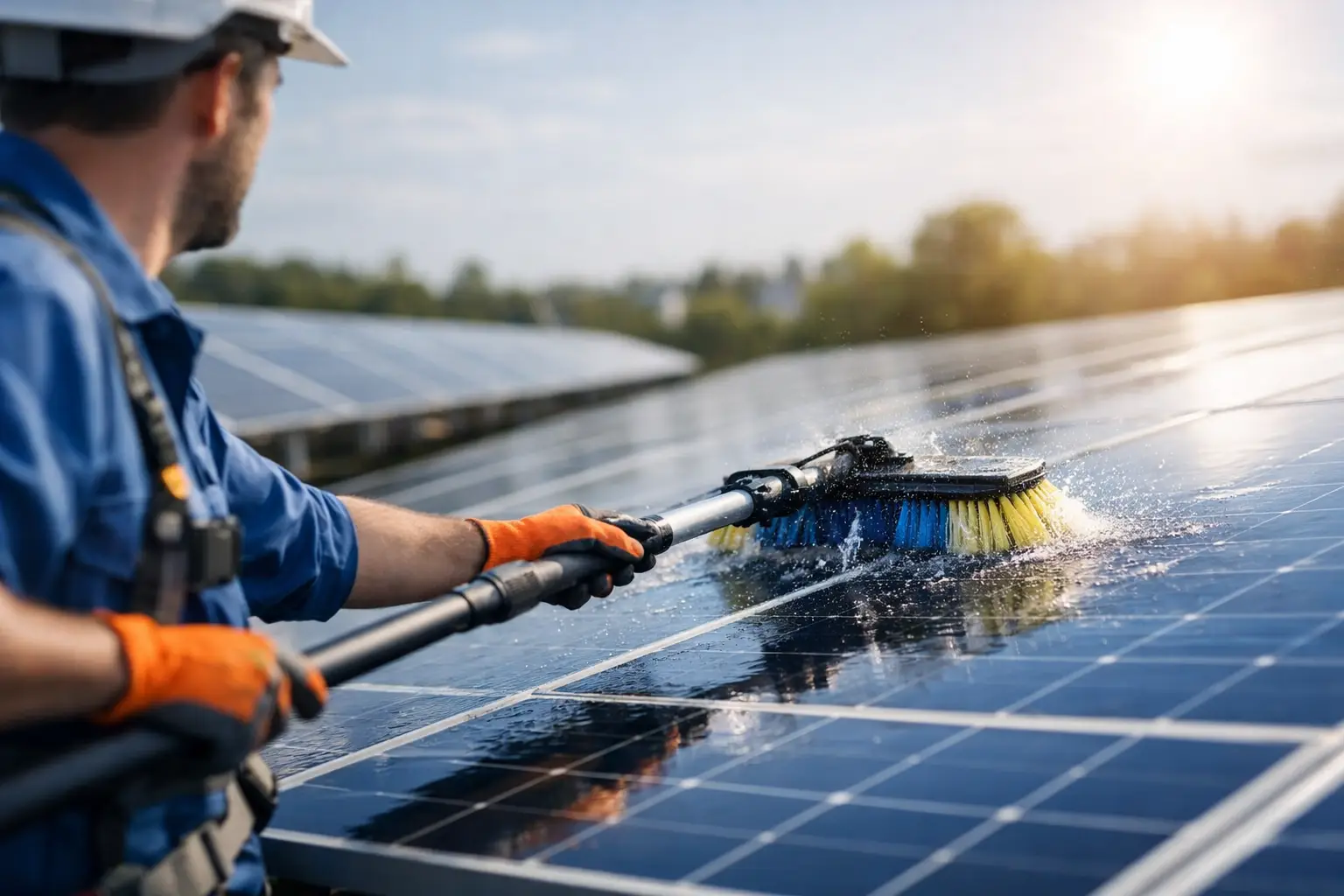
A layer of pollen in the Shenandoah Valley does not look like much from the ground. On a solar array, it can be the difference between panels performing as expected and panels quietly losing output month after month. That is why a professional solar panel cleaning service is not just about appearance. It is about protecting production, avoiding preventable wear, and making sure the system you invested in is actually working the way it should.
For homeowners and property managers, the question is usually not whether dirt affects solar panels. It does. The real question is when cleaning is worth it, how it should be done, and whether the risk of doing it wrong outweighs the savings of doing it yourself. In many cases, especially on roof-mounted systems, the answer comes down to safety, proper technique, and knowing what not to do.
What a solar panel cleaning service actually solves
Solar panels are designed to live outdoors, but they are not self-cleaning in every condition. Rain helps rinse off loose dust, but it does not reliably remove pollen film, bird droppings, tree sap, road residue, or the grime that builds up over time near traffic, construction, agricultural activity, or wooded properties. In Central Virginia, seasonal pollen alone can leave a visible coating that lingers long after a light rain.
That buildup matters because solar panels need sunlight hitting the cells as directly as possible. Even a thin layer of residue can reduce efficiency. Heavier debris creates more obvious losses, and localized messes such as droppings can create hot spots or uneven performance across sections of the array. The impact varies by roof pitch, panel angle, surrounding trees, weather patterns, and how long the buildup has been left in place.
A good cleaning service addresses more than dirt. It also helps identify issues a property owner might not notice from the ground, such as stubborn staining, blocked drainage paths around the panels, or signs that the array is collecting debris in a way that needs more frequent maintenance.
Why improper cleaning causes expensive problems
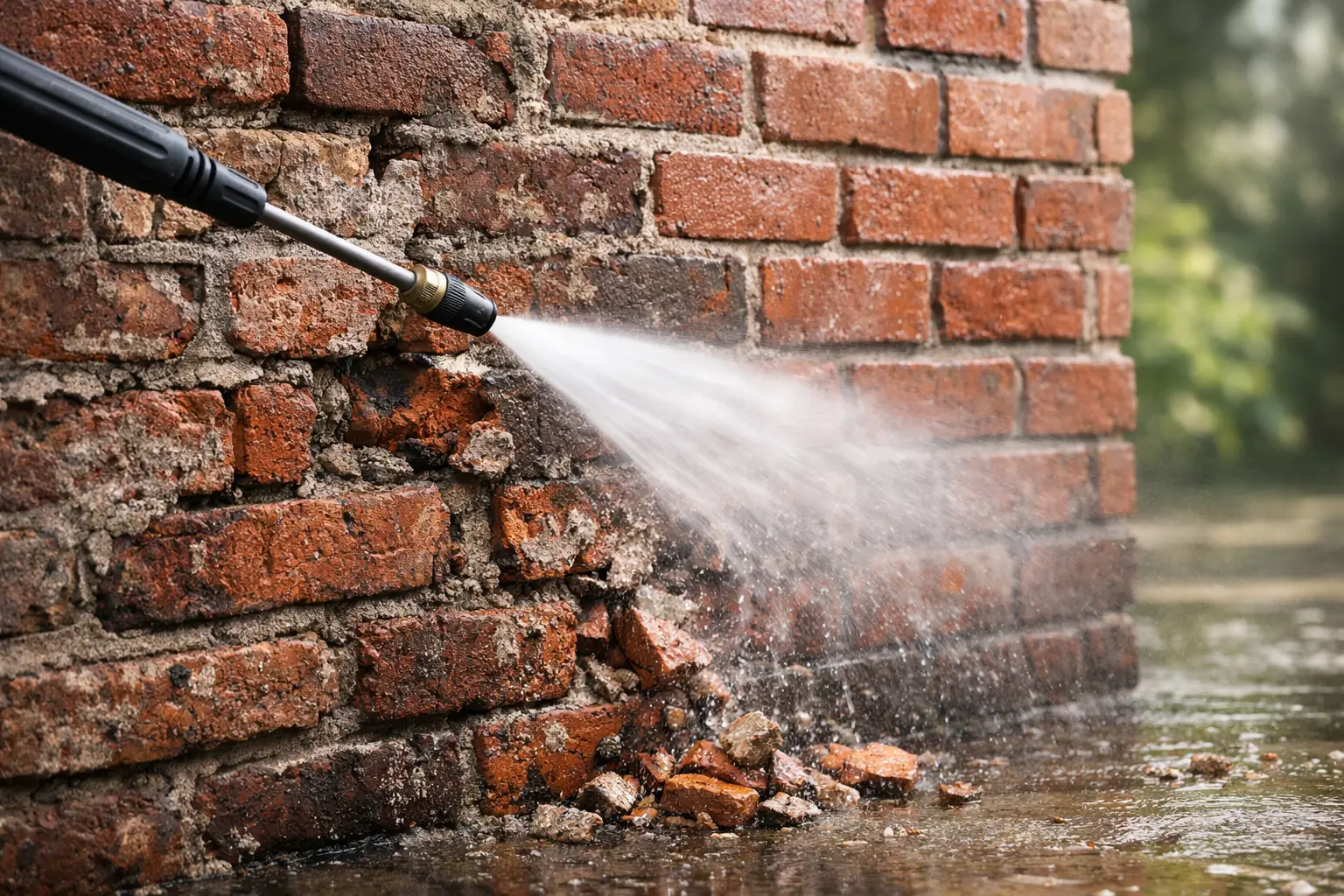
The biggest mistake people make is assuming solar panels can be cleaned like siding, concrete, or windows. They cannot. High pressure is the wrong approach. Harsh chemicals are the wrong approach. Abrasive brushes, aggressive scraping, and untreated hard water can all create problems that cost more than the cleaning itself.
Glass can be scratched. Frames can be damaged. Seals and surrounding components can be put under unnecessary stress. Mineral-heavy water can leave spotting or residue that still blocks light. On roof-mounted systems, there is also the simple fact that climbing up there with hoses, ladders, and cleaning tools creates a fall risk and increases the chance of accidental damage.
That is why experienced exterior cleaning companies treat solar as its own specialty. The process should be gentle, controlled, and matched to the panel surface and site conditions. This is one of those jobs where technique matters just as much as effort.
When solar panel cleaning makes sense
Not every system needs the same schedule. Some properties can go longer between cleanings because the panels are angled well, the area gets regular rainfall, and there are few nearby contamination sources. Others need more attention because of tree cover, bird activity, pollen, dust, or commercial conditions that leave residue behind.
Residential systems often benefit from inspection and cleaning on an as-needed basis, especially after heavy pollen seasons, long dry stretches, or visible buildup. Commercial properties may need a more regular maintenance approach because consistent energy performance, property appearance, and equipment care matter across a larger operation.
If you are seeing obvious dirt, reduced output, or uneven-looking sections on the array, it is time to take a closer look. If you are not sure, that is where a professional assessment helps. The right answer is not always frequent cleaning. It is cleaning at the point where it supports performance and avoids unnecessary wear.
Solar panel cleaning service for homes and commercial properties
The needs of a homeowner and a facility manager are related, but not identical. On a home, the concern is often a mix of energy savings, roof safety, and protecting a long-term investment. Most homeowners do not want to walk a roof or risk voiding warranties by using the wrong method. They want the panels cleaned correctly, with clear communication and no guesswork.
Commercial properties usually have additional concerns. Accessibility can be more complex. Production losses may affect larger operating costs. Appearance can matter more for customer-facing properties such as offices, retail sites, wineries, and other businesses where the exterior reflects on the brand. A reliable service partner also matters because facility teams do not have time to chase contractors who fail to show up or cannot explain their process.
In both settings, the best service is built around protection first. Clean panels are the goal, but clean panels without avoidable damage is the standard that matters.
What to expect from a professional cleaning process
A professional solar panel cleaning service should start with a look at access, roof conditions, panel layout, and the type of buildup present. That helps determine the safest and most effective method. The process itself should use equipment and water practices suited to solar surfaces, not a one-size-fits-all exterior cleaning approach.
Communication is part of the service too. Property owners should know what is being cleaned, what results are realistic, and whether there are conditions that may require follow-up. For example, long-term staining or environmental residue may improve significantly without disappearing completely in one visit. Honest expectations matter.
This is also where experience shows. A contractor who cleans a wide range of exterior surfaces but understands where solar requires a different touch is going to be better equipped than someone treating every material the same way. Blue Ridge Exterior Cleaning approaches specialty surfaces with that mindset because getting a surface clean is only half the job. Keeping it protected is the other half.
The DIY trade-off
There is a reason many property owners consider doing this themselves. At first glance, rinsing a panel does not seem complicated. But the trade-off becomes clear once you factor in roof access, fall risk, the chance of surface damage, and the possibility of using the wrong tools or water.
If the array is ground-mounted and easily reachable, some owners may choose to handle light maintenance carefully. Even then, the method matters. If the panels are roof-mounted, steep, or difficult to access, DIY savings can disappear quickly if one mistake leads to cracked glass, scratched surfaces, electrical concerns, or an injury.
That is the no-nonsense answer. Some jobs are worth doing yourself. Others are worth having done right the first time.
How local conditions in Virginia affect panel performance
Central Virginia creates a specific set of cleaning challenges. Spring pollen is the obvious one, but it is not the only one. Humid conditions can cause residue to cling longer. Tree-heavy lots drop sap, leaves, and organic debris. Rural and semi-rural properties may see more airborne dust. Commercial sites near roads and parking areas deal with a different kind of film than a home tucked into the woods.
These variables are why there is no universal cleaning schedule. A panel array in Albemarle may not need the same attention as one in Augusta County, even if the systems are similar. The surrounding environment changes the maintenance needs. Local experience helps because it gives a contractor a better read on what buildup patterns are common and what cleaning intervals tend to make practical sense.
Choosing a service company without guessing
If you are hiring out solar panel cleaning, look for the same things you would want in any specialty exterior cleaning work. You want a company that communicates clearly, explains its process, and understands the materials involved. You also want a company that does not default to aggressive washing methods because that is how damage happens.
Experience matters, but so does judgment. The right contractor knows when a panel needs cleaning, when a lighter approach is enough, and when site conditions call for added caution. They should be able to speak plainly about safety, expected results, and whether recurring service makes sense for your property.
Price matters too, but this is not the place to shop for the lowest number and hope for the best. When a service affects both roof access and energy equipment, competence carries more value than a cheap visit that leaves problems behind.
A clean solar array should do more than look better from the driveway or parking lot. It should help your system perform the way it was meant to, with less risk and fewer unknowns. If your panels are collecting more than sunlight, getting them evaluated by a professional is a practical next step.