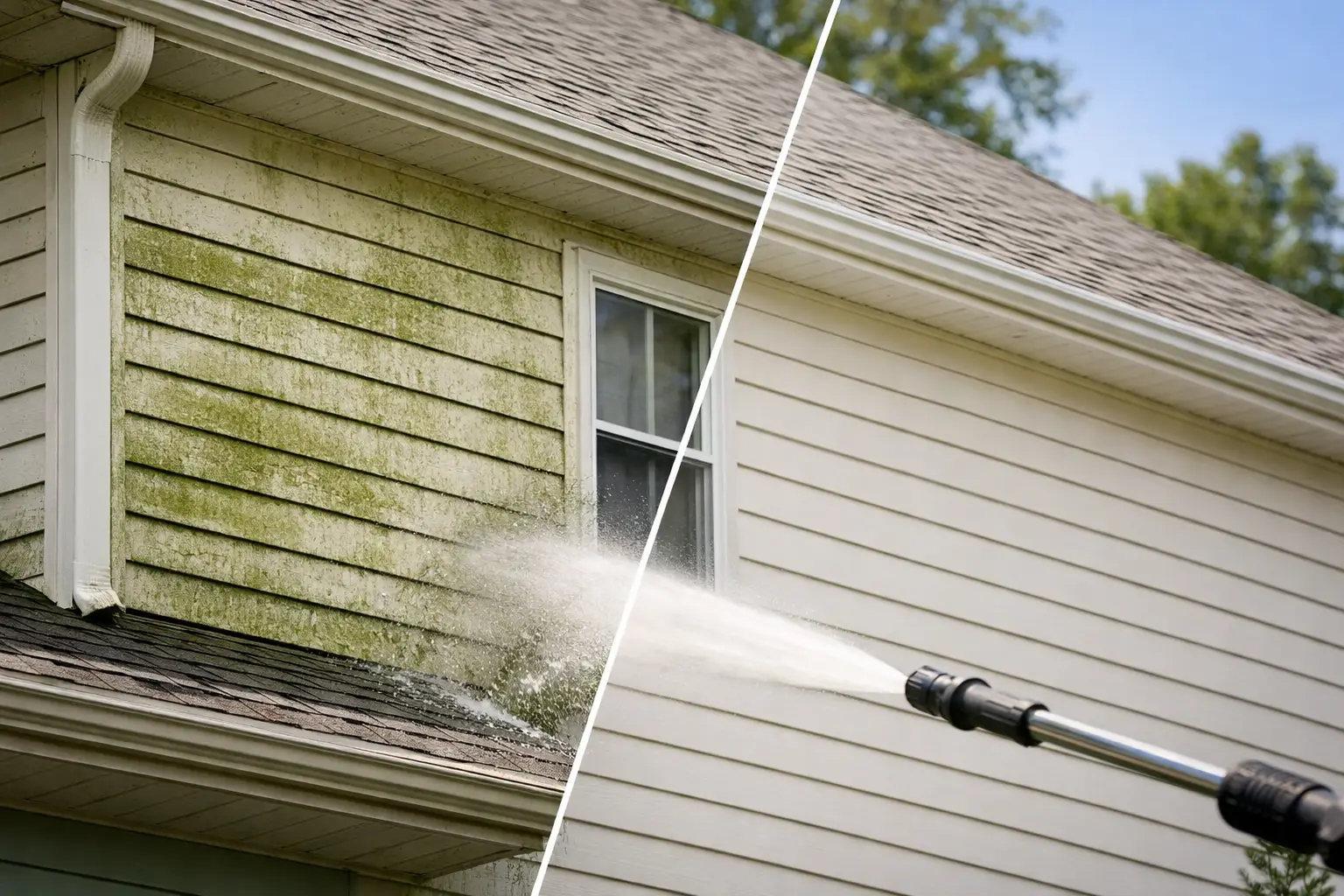
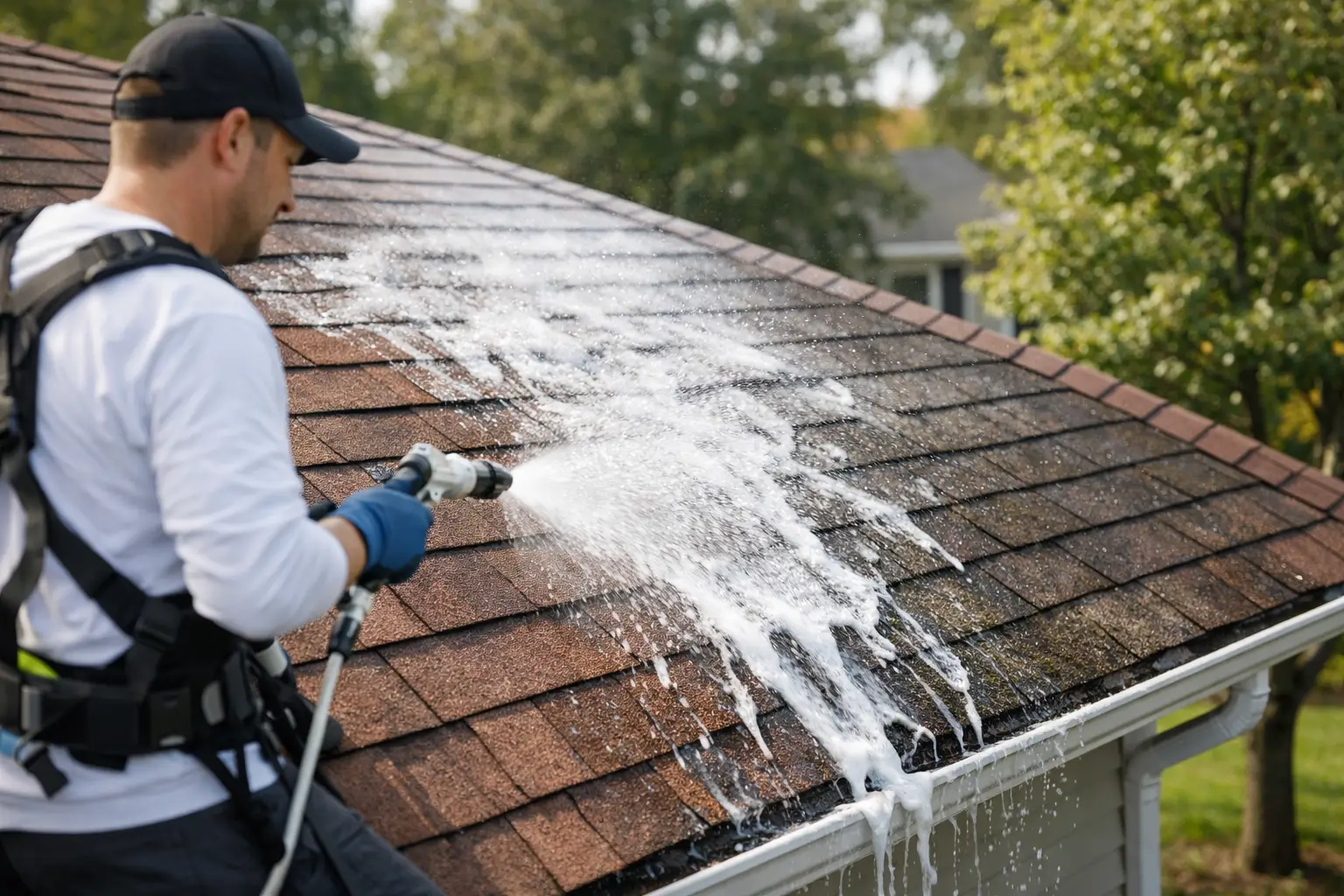
Black streaks on a roof are not just a cosmetic issue. In Central Virginia, those dark stains are often a sign of algae growth, and once it takes hold, it can spread fast across shaded or damp sections of the roof. Soft wash roof cleaning is the method professionals use to remove that growth without the surface damage that high-pressure washing can cause.
For homeowners and property managers, that distinction matters. A roof is one of the most expensive parts of any structure, and cleaning it the wrong way can shorten its life instead of protecting it. If the goal is a cleaner roof, better curb appeal, and less risk to shingles, soft washing is the standard for a reason.
What roof cleaning soft washing actually means
Soft washing is a low-pressure cleaning process that relies on the right cleaning solution to break down algae, mold, mildew, lichen, and organic staining. Instead of blasting the roof with force, the treatment does the heavy lifting.
That matters because most roofing materials, especially asphalt shingles, are not designed to handle aggressive pressure washing. Granule loss, lifted shingle edges, and water intrusion are all real risks when too much pressure is used. Soft washing avoids those problems by cleaning with chemistry and technique rather than force.
On many homes, the black streaks people notice are caused by Gloeocapsa magma, an airborne algae that feeds on roofing materials and thrives in humid conditions. Moss and lichen can also develop, especially in shaded areas under trees or on north-facing rooflines. A proper soft wash addresses those contaminants at the source instead of just making the roof look better for a few weeks.
Why high pressure is the wrong choice for most roofs
A lot of people hear the word cleaning and assume more pressure means better results. On concrete, that can sometimes be true. On a roof, it absolutly is not.
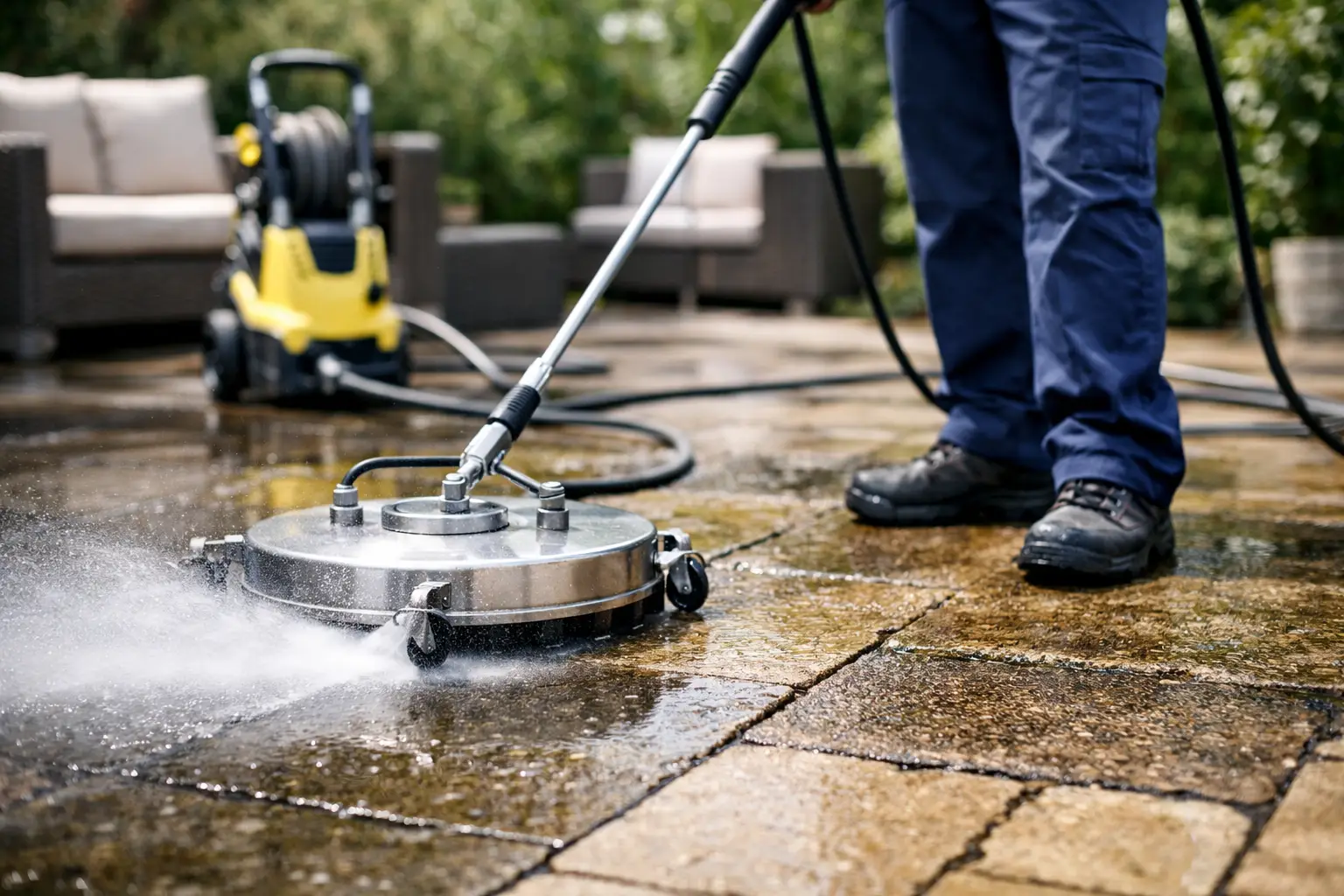
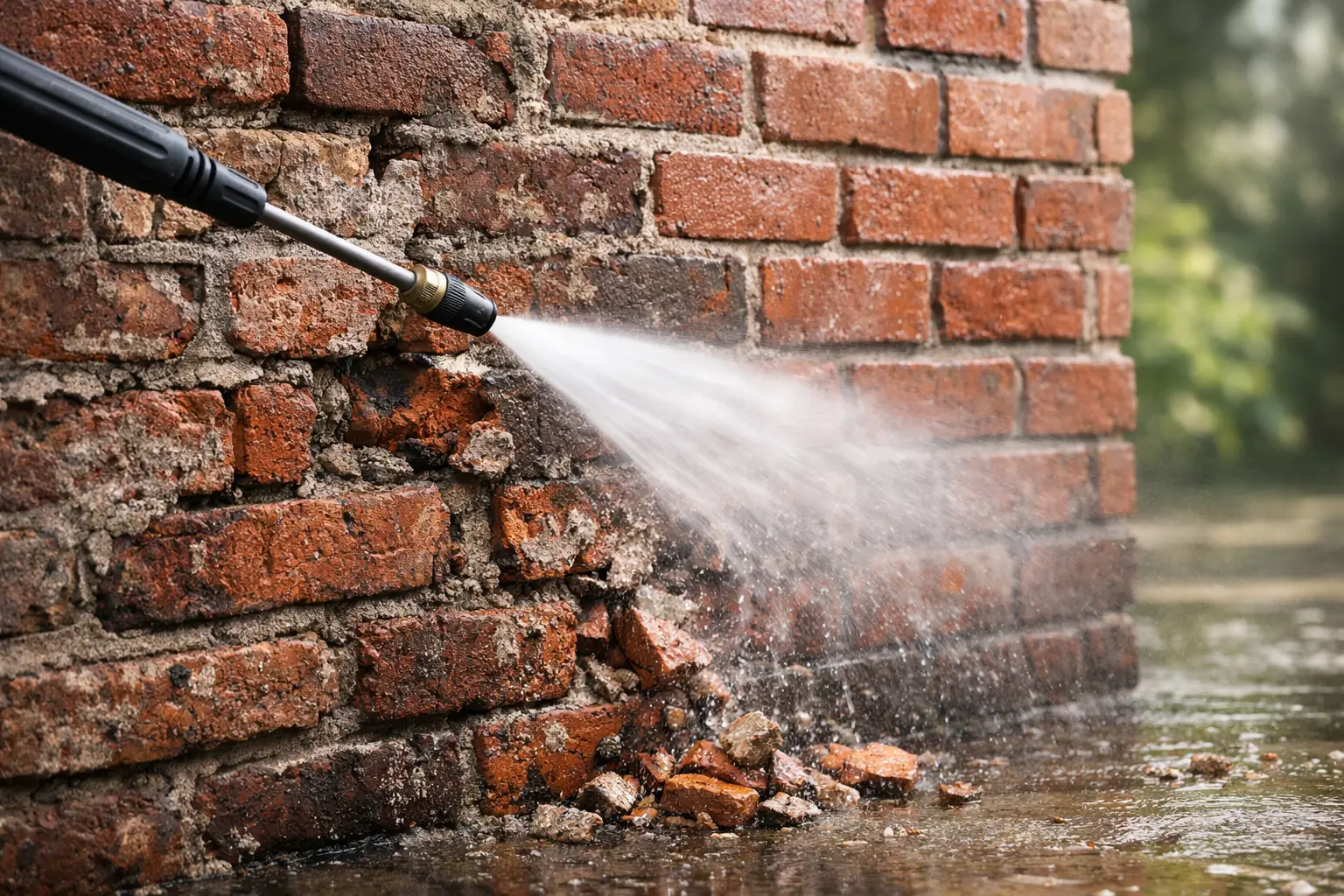
Pressure washing can strip away the protective granules on asphalt shingles. Those granules are there for a reason – they help shield the roof from UV exposure and weather. Once they are removed, the roof can age faster. On older roofs, high pressure can be even more risky because the materials may already be brittle or weakened.
There is also the issue of water direction. Roofing systems are designed to shed water downward. Spraying upward or too aggressively against seams, flashing, or edges can force water where it does not belong. That can lead to hidden moisture problems in decking, underlayment, or attic spaces.
This is why experienced contractors do not treat roof cleaning like driveway cleaning. The method has to match the material, the pitch, the age of the roof, and the type of biological growth present.
When roof cleaning soft washing makes sense
Not every roof needs immediate cleaning, but there are clear signs when service is worth considering. Black streaks are the most common trigger. Moss clumps, green patches, and lichen growth are others. If sections of the roof stay damp longer than they should, especially under tree cover, organic buildup can become more than a visual problem.
Soft washing also makes sense before listing a home for sale, after long periods of neglect, or as part of routine exterior maintenance for commercial properties. A stained roof can make an otherwise well-kept building look older than it is. On the commercial side, appearance affects customer perception, tenant satisfaction, and overall property presentation.
That said, timing depends on condition. A newer roof with light staining may need less frequent attention than an older roof in a heavily shaded environment. A good contractor should be willing to assess the roof honestly and explain whether cleaning is appropriate now or better scheduled later.
What a proper roof soft washing process looks like
The best roof cleaning jobs do not start with spraying. They start with inspection. A technician should look at the roof material, identify the staining or growth, note sensitive areas around landscaping, and plan for runoff control.
From there, surrounding plants and property features should be protected. This is one of the details that separates a careful company from a careless one. The cleaning solution used in soft washing can be highly effective on biological growth, but the application has to be controlled and the surrounding area has to be managed properly.
Once the roof is prepped, the solution is applied at low pressure. It is allowed to dwell long enough to kill the algae, mildew, moss, or lichen. In some cases, the visible improvement is immediate. In others, especially with heavier organic growth, the roof continues to brighten over time as rain helps remove the dead material.
The exact process can vary depending on roof type and contamination level. That is normal. What should not vary is the emphasis on safe application, property protection, and clear communication about what results to expect.
The benefits go beyond appearance
Most people first call about roof cleaning because the stains look bad. That is understandable. A clean roof can transform the look of a home or commercial building.
But appearance is only part of the value. Organic growth holds moisture on the roof surface. Over time, that can contribute to material deterioration. Moss can lift shingle edges. Lichen can attach stubbornly and become harder to remove the longer it is left untreated. Removing these contaminants helps reduce avoidable wear.
There is also a maintenance benefit. When a roof is clean, it is easier to spot damaged areas, flashing concerns, or other issues that may need attention. Heavy staining can hide developing problems.
For property owners who care about long-term value, soft washing fits into a bigger maintenance strategy. It is not a gimmick service. Done correctly, it helps protect one of the most important surfaces on the property.
Why DIY roof cleaning often goes wrong
Roof cleaning looks simple from the ground. Once someone gets on a ladder, it gets more complicated fast.
There is the obvious safety risk of working at height on a wet or sloped surface. Beyond that, most DIY attempts fail because of one of two mistakes: too much pressure or the wrong chemical mix. Either can damage shingles, discolor surrounding materials, or harm landscaping.
Even if a homeowner rents equipment, they usually do not have the roof-specific setup, application knowledge, or surface judgment needed to clean safely. The same is true for general cleaning companies that treat roof work like standard pressure washing. Low pressure alone is not enough. The process has to be tailored to the roof.
That is where experience matters. A contractor with real roof cleaning background understands how to treat stains effectively while protecting the surface below. In a market like Central Virginia, where weather, shade, and seasonal moisture all affect roof growth, local experience is not just a bonus. It helps avoid costly mistakes.
Choosing a roof cleaning company
If you are comparing contractors, ask how they clean roofs, not just what they charge. A lower price does not mean much if the method is wrong.
Look for a company that clearly states it uses a soft washing process for roof cleaning, explains what causes the staining, and can talk through how it protects shingles, flashing, gutters, siding, and landscaping during the job. Communication matters too. If a company is vague before the work starts, that usually does not improve later.
This is one reason many property owners turn to Blue Ridge Exterior Cleaning. They want a company that answers questions directly, shows up professionally, and treats the property like it matters. With exterior cleaning, technical skill and customer service should come together.
A good roof cleaning contractor should also be honest about limits. Some roofs have permanent discoloration, aging, or damage that cleaning will not fix. Straight answers are part of professional service.
How often should a roof be soft washed?
There is no one-size-fits-all schedule. Some roofs may go several years between cleanings, while others need attention sooner because of tree cover, humidity, drainage patterns, or nearby organic debris.
In general, it is smart to address early staining before it becomes heavy buildup. Light to moderate algae is easier to treat than thick moss or long-established lichen. Waiting too long can make cleaning more difficult and leave the roof exposed to unnecessary moisture retention.
If you are unsure, a visual assessment is the best starting point. A trustworthy company should be able to tell you whether the roof needs immediate treatment or just monitoring.
A clean roof sends a message before anyone reaches the front door. More importantly, it helps protect the structure beneath it. When the job is done with the right process, roof cleaning is not about making things look good for a weekend. It is about taking care of the property the right way.